
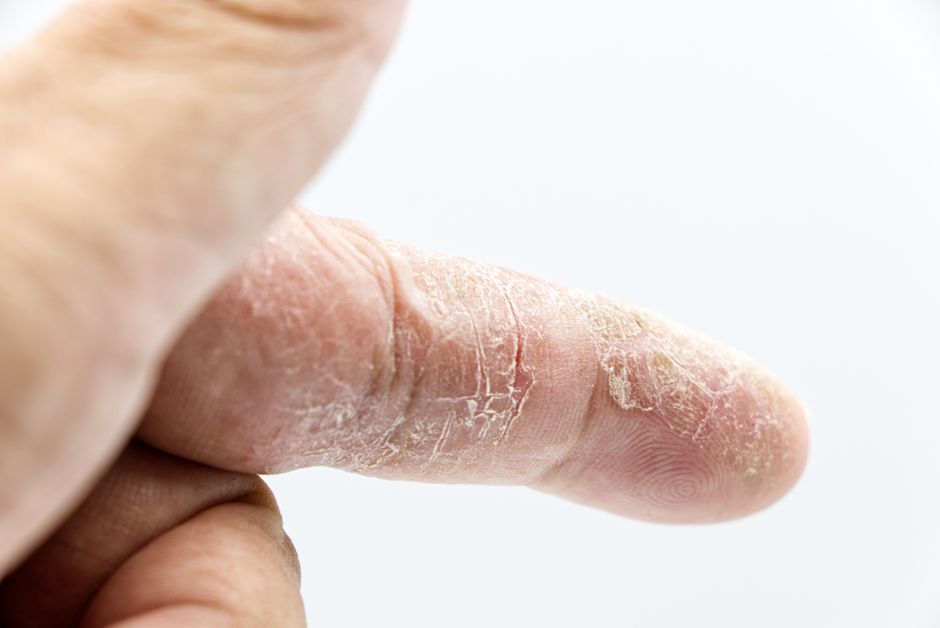
Chiggers are tiny red mites that bite and leave intensely itchy welts, usually around ankles, waistbands, and skin folds. You cannot wash them off with soap once they have attached, because they do not burrow into your skin. They inject digestive enzymes that dissolve skin cells, then feed on the resulting fluid. The itch comes from your immune system reacting to those enzymes. Relief means calming that reaction and preventing infection — not trying to dig the mite out.
What Are Chiggers And Why Do They Cause So Much Itching?
Chiggers are the larval stage of mites in the genus Trombicula, commonly called harvest mites or red bugs. Only the larvae bite humans. Adults and nymphs feed on plants and small insects and do not bother people.
The larvae are barely visible — roughly the size of a pinhead or smaller — and they cluster in tall grass, weeds, brush, and damp shaded areas. They crawl onto skin and find places where clothing fits snugly or skin folds over itself. That is why bites concentrate at the ankles, behind the knees, in the groin, around the waistband, and under the arms.
Contrary to a persistent myth, chiggers do not burrow into your skin or drink blood. They pierce the skin with mouthparts and inject saliva containing digestive enzymes. Those enzymes break down skin cells, and the mite feeds on the liquefied tissue. Your body’s immune response to the enzymes is what produces the red bump and the fierce itch.
This distinction matters for treatment. Because the mite is not living inside your skin, you cannot kill it with nail polish, petroleum jelly, alcohol, or bleach — all of which are commonly recommended and none of which are supported by evidence. The mite usually detaches on its own within a few hours to a day, or is scratched or washed off.
How To Get Rid Of Red Bugs On Skin Chigger Bite Relief?
The fastest relief comes from calming the immune reaction and stopping the itch-scratch cycle. Chigger bites are self-limiting. The welts typically resolve over one to two weeks, though the itch is often worst in the first 24 to 48 hours.
These steps are widely recommended by dermatologists and public health sources:
- Wash the area with soap and water. This removes any mites still on the surface. It will not remove mites already attached, because there are none embedded in the skin.
- Apply a cold compress or cool cloth. Cold reduces blood flow to the area and temporarily numbs the itch.
- Use an over-the-counter anti-itch cream. Hydrocortisone cream (typically 1%) can reduce inflammation. Calamine lotion or colloidal oatmeal baths can soothe irritated skin.
- Take an oral antihistamine. Diphenhydramine or cetirizine can reduce itching, especially at night. Follow package directions.
- Keep fingernails short. Scratching breaks the skin and opens the door to bacterial infection, which is the main complication of chigger bites.
Do not apply heat, do not cover bites with nail polish or bleach, and do not try to extract anything with tweezers. There is nothing to extract.
If a bite becomes swollen, hot, increasingly painful, or starts oozing pus, that suggests a secondary bacterial infection and warrants medical evaluation. Some people also develop a more widespread allergic reaction, which is uncommon but possible.
Why Do Chigger Bites Itch More Than Mosquito Bites?
Chigger bites itch more intensely because of how the mite feeds. A mosquito takes a quick blood meal and leaves. A chigger stays attached for hours or longer, continuously injecting enzymes that break down tissue. The longer the exposure to those enzymes, the stronger the immune response.
The itch is also delayed. Most people do not feel the bite when it happens. Itching typically begins several hours later, once the immune system has mounted its response. By then the mite is often already gone.
That delay is why people sometimes assume the mite is still inside. It usually is not.





How Do You Prevent Chigger Bites In The First Place?
Prevention is the most reliable strategy, because once the bites appear you are managing symptoms rather than stopping them.
- Wear long pants tucked into socks when walking through grass, brush, or wooded areas.
- Use an EPA-registered insect repellent containing DEET or picaridin on skin, and permethrin-treated clothing where appropriate. Follow label instructions.
- Shower soon after being outdoors and wash your clothing in hot water.
- Avoid sitting or lying directly on grass or leaf litter, especially in damp, shaded areas during warmer months.
Chiggers are most active in warm weather, particularly late spring through early fall in many parts of the United States. They are more common in the South, Midwest, and areas with tall grass and heavy vegetation.
Sulfur powder is sometimes recommended as a repellent, and some evidence supports its use, but it is not as well studied as DEET or picaridin. If you choose to use it, follow product directions carefully.
What Does Not Work For Chigger Bites?
Several popular remedies have no evidence behind them and can cause harm.
- Nail polish or clear coat. This was based on the false belief that chiggers burrow into skin. They do not, so sealing the bite does nothing except trap irritants against already inflamed skin.
- Bleach, alcohol, or gasoline. These can burn or damage skin and should never be applied to bites.
- Vaseline or petroleum jelly. Same reasoning as nail polish — there is nothing underneath to smother.
- Hot water or heat. Heat can worsen inflammation and increase itching.
- Scratching or picking. This increases the risk of infection and can lead to scarring.
If a remedy is based on the idea that a bug is living inside your skin, it is built on a false premise.
When Should You See A Doctor For Chigger Bites?
Most chigger bites resolve without medical care. Seek evaluation if you notice signs of infection or a severe reaction.
Warning signs include:
- Spreading redness, warmth, or swelling around a bite
- Pus or yellow drainage
- Fever or chills
- A bite that keeps getting more painful instead of less
- Widespread rash or hives
- Difficulty breathing or swelling of the face or throat (seek emergency care)
People with weakened immune systems, diabetes, or circulatory problems should be especially attentive to bite sites, since infections can progress faster in these groups.
If the itching is severe enough to interfere with sleep or daily life despite over-the-counter treatment, a clinician may prescribe a stronger topical steroid or a short course of oral steroids.
How Long Do Chigger Bites Last?
Chigger bites typically itch intensely for one to two days and then gradually improve. The red bumps themselves can persist for one to two weeks as the skin heals. Some people develop small hard bumps or discoloration that lingers longer.
If bites are still intensely itchy after a week, or if they seem to be getting worse rather than better, that is a reason to check with a healthcare provider. It may indicate a secondary infection or a different cause entirely.
It is also worth noting that not every red bug bite is a chigger bite. Bed bugs, fleas, scabies, and other conditions can produce similar-looking bumps. A clinician can help distinguish between them if the diagnosis is unclear.
Frequently Asked Questions
Do chiggers burrow into your skin?
No. Chiggers do not burrow into or live inside human skin. They attach at the surface, inject digestive enzymes, and typically detach within hours.
What kills chiggers on skin instantly?
Nothing kills chiggers instantly because they are not embedded in the skin. Washing the area with soap and water removes any mites still on the surface, and the itch is treated separately with anti-itch creams or antihistamines.
Does nail polish get rid of chigger bites?
No. Nail polish does not help because there is no mite inside the skin to smother. It can irritate already inflamed skin and delay healing.
How long does chigger itch last?
The worst itching usually lasts one to two days, though the bumps can take one to two weeks to fully fade. Persistent or worsening symptoms should be evaluated by a clinician.
