
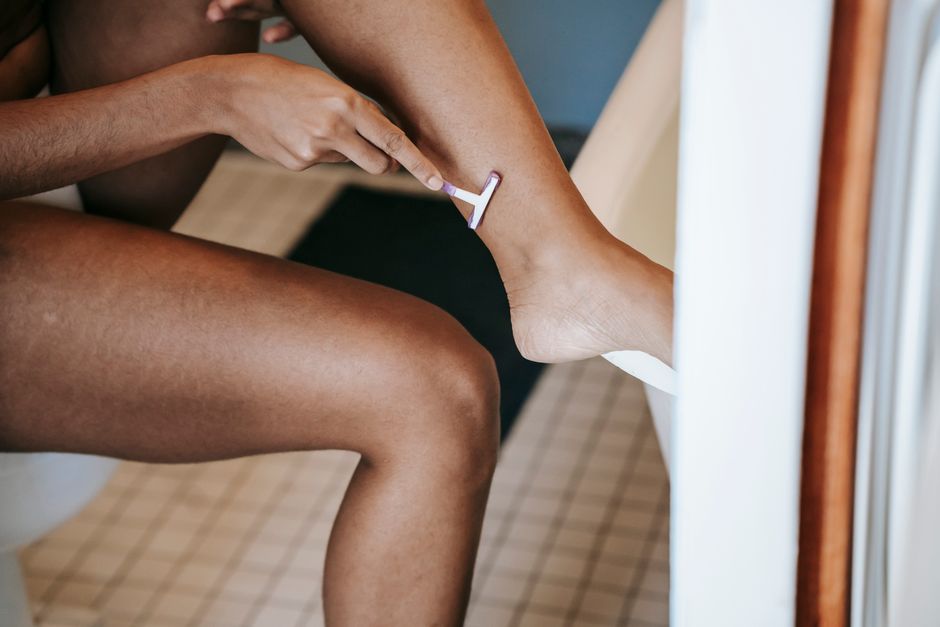
Razor bumps on the pubic area are a type of irritation called pseudofolliculitis, and they usually clear up on their own within a few days to a couple of weeks. The fastest way to get rid of them is to stop shaving the area for a while, keep the skin clean and calm, and let the hairs grow past the point where they curl back into the skin. If you want to keep grooming, switching to a trimmer that leaves a short layer of hair instead of a close shave is the single most effective change you can make.
What Are Razor Bumps On The Pubic Area?
Razor bumps are not acne and they are not an infection. They are inflamed hair follicles caused by hair that has been cut too short.
When you shave close to the skin, the sharp tip of a hair can curl back and re-enter the skin as it grows. The body treats that hair like a foreign object and mounts a small inflammatory response. You get a red or dark bump, sometimes with a white head, and often some itching or tenderness.
This is called pseudofolliculitis barbae when it happens on the face and neck. The same process happens in the pubic area, where hair tends to be coarse and curly. Coarse, curly hair is more likely to loop back into the skin, which is why some people get bumps almost every time they shave and others rarely do.
It helps to separate this from a few look-alikes:
- Folliculitis is actual inflammation or infection of the follicle, often bacterial or fungal. It can look similar but may need different care.
- Ingrown hairs are hairs that grow sideways under the skin and form a bump or a dark line.
- Genital herpes causes clusters of painful blisters or sores, not firm bumps at hair openings, and it needs medical care.
- Molluscum contagiosum causes small, firm, dome-shaped bumps with a dimple in the center.
If bumps are painful, spreading, filled with pus, or come with fever, see a clinician. Those signs point away from simple razor bumps.
How To Get Rid Of Razor Bumps On Pubic Area Step By Step
There is no single product that erases razor bumps overnight. What works is removing the cause and giving the skin time to settle. Here is the order that makes the most sense.
Step 1: Stop shaving the area
This is the step people skip, and it is the one that matters most. Every close shave re-injures the follicles and restarts the cycle. Give the area a break for several days to a couple of weeks. Many bumps fade on their own once the hair grows out past the skin surface.
Step 2: Let the hair grow out
As hairs lengthen, they stop curling back into the skin. This is why the bumps often resolve without any product at all. Resist the urge to tweeze or dig at the bumps.
Step 3: Keep the area clean and dry
Wash gently with a mild, fragrance-free cleanser and warm water. Pat dry rather than rubbing. Avoid heavily perfumed soaps, douches, and scented powders, which can irritate already inflamed skin.
Step 4: Apply a warm compress
A clean, warm, damp cloth held against the area for a few minutes a few times a day can soften the skin and ease discomfort. This is a comfort measure, not a cure.
Step 5: Do not squeeze or pop the bumps
Squeezing pushes bacteria deeper and can turn a minor bump into a real infection or a scar. It also makes dark marks more likely, especially on darker skin tones.
Step 6: Try an over-the-counter option if you want one
Some people use products containing salicylic acid or glycolic acid to gently exfoliate the skin surface. Others use benzoyl peroxide, which has antibacterial activity. Evidence for these specifically in pubic razor bumps is limited, and they can sting or dry the skin. If you try one, test it on a small area first.
For stubborn or infected-looking bumps, a clinician may recommend a prescription topical steroid or an antibiotic. Topical retinoids are sometimes prescribed to help prevent new bumps, but they cause sun sensitivity and irritation and are not for use during pregnancy. This is a decision to make with a clinician, not on your own.
How To Shave Pubic Hair Without Getting Razor Bumps
If you want to keep removing hair, the technique matters more than the product. Most razor bumps come from cutting hair too short or dragging a dull blade across the skin.
- Use a trimmer instead of a razor. A trimmer that leaves a short stubble is far less likely to cause bumps than a close blade shave. This is the most reliable change you can make.
- Shave in the direction of hair growth. Shaving against the grain cuts hair below the skin surface and increases the chance of ingrown hairs.
- Use a sharp, clean blade. A dull or rusty blade tugs at the skin and cuts unevenly.
- Soften the hair first. Shave after a warm shower, when the hair is softer and easier to cut.
- Use shaving gel or cream. A lubricating layer reduces friction between the blade and the skin.
- Rinse the blade between strokes. Clogged blades drag and cut poorly.
- Moisturize afterward. A gentle, fragrance-free moisturizer helps the skin barrier recover.
Waxing, sugaring, depilatory creams, and laser hair removal are alternatives. Waxing removes hair from the root and can reduce bumps for some people, but it can also cause irritation and ingrown hairs. Depilatory creams are strong chemicals and can burn sensitive skin, so patch-test first. Laser hair removal reduces hair growth over time and is often used for pseudofolliculitis, but it requires multiple sessions, costs more, and is typically done by a professional.





What Makes Razor Bumps Worse?
Certain habits and skin types make razor bumps more likely or more stubborn.
Shaving against the grain, using a dull blade, and shaving dry all increase the risk. Tight clothing that rubs the area can keep follicles irritated. Sweat and friction from exercise can do the same if you stay in damp clothing.
People with coarse, curly hair tend to get more bumps. Darker skin tones are more prone to the dark marks, called post-inflammatory hyperpigmentation, that can linger after the bump itself fades. Those marks are not scars and usually lighten over months, but they can take a long time.
One thing worth knowing: picking at bumps is the main reason people end up with scars and lasting dark spots. The bump itself is temporary. The mark you create by squeezing it can last far longer.
When To See A Doctor
Most razor bumps improve with time and a change in grooming habits. See a clinician if:
- Bumps are spreading, getting larger, or becoming very painful
- You see pus, or the area is hot and swollen
- You have a fever or feel unwell
- Bumps are not improving after several weeks of no shaving
- You have a sore or ulcer that does not heal
- You are not sure whether the bumps are razor bumps or something else
A clinician can tell the difference between simple razor bumps and conditions that need treatment, such as a bacterial or fungal infection, herpes, or molluscum. Getting the diagnosis right matters, because the treatments are different.
How Long Do Razor Bumps Last?
Most razor bumps settle within a few days to a couple of weeks once you stop shaving the area. Individual bumps often flatten and fade faster than the dark marks they leave behind.
Post-inflammatory dark marks can take several months to fade, and this varies a lot from person to person. There is no product that reliably erases them quickly. Sun protection and gentle skincare help, and a clinician can discuss options if the marks bother you.
If you keep shaving close every few days, the bumps will likely keep coming back. The timeline for clearing up is tied directly to how much you let the hair grow out.
Frequently Asked Questions
How do you get rid of razor bumps on the pubic area fast?
Stop shaving the area and let the hair grow out, which is the fastest reliable way to calm the bumps. Warm compresses and gentle cleansing can ease discomfort while the skin heals.
Should I pop razor bumps on my pubic area?
No. Popping pushes bacteria deeper and raises the risk of infection, scarring, and lasting dark marks.
Can I shave over razor bumps?
It is best not to. Shaving over existing bumps re-injures the follicles and usually makes the irritation worse.
Are razor bumps on the pubic area an STD?
No, razor bumps are not a sexually transmitted infection. However, some STIs can cause bumps or sores in the same area, so see a clinician if the bumps are painful, blister-like, or do not improve.
