
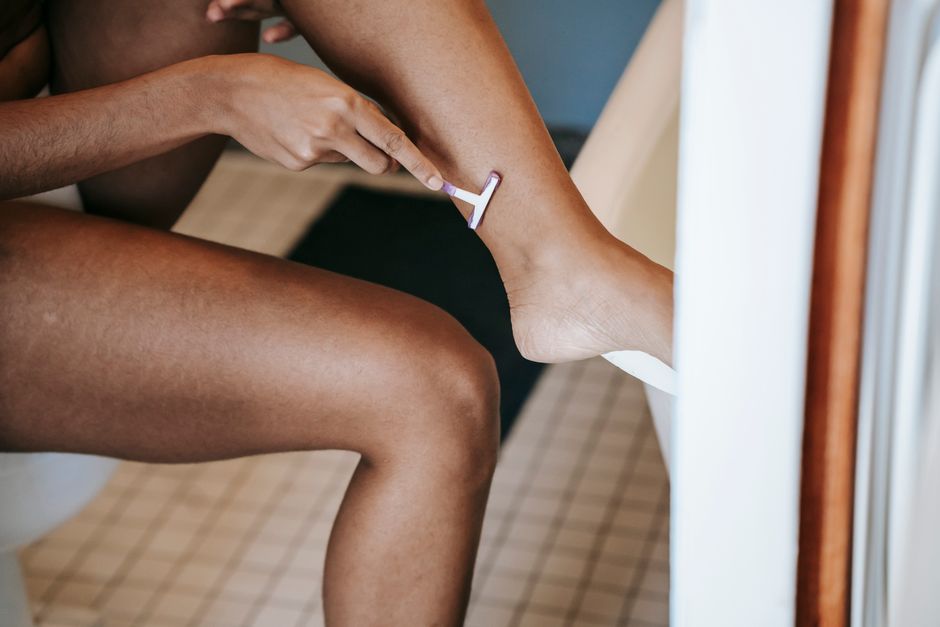
Pubic shaving bumps are irritated hair follicles, and the fastest way to calm them is to stop shaving the area for a week or two, apply a warm compress to any raised spots, and leave ingrown hairs alone rather than picking at them. Most bumps settle on their own within days to a couple of weeks once the skin is left alone. If a bump becomes large, hot, painful, or oozes pus, that is a sign of infection and worth a medical visit.
What follows explains why the bumps form, what genuinely helps, what only feels like it helps, and when to see a doctor.
What Are Pubic Shaving Bumps, Exactly?
Most bumps in the pubic area after shaving are a condition dermatologists call pseudofolliculitis. The name means “false folliculitis” — inflammation around a hair follicle that is not caused by an infection. It looks like small red or dark bumps, sometimes with a pimple-like head, clustered where you shaved.
The mechanism is well understood. Shaving cuts a hair at an angle and leaves a sharp, pointed tip. As that hair grows back, the tip can curve and re-enter the skin nearby instead of pushing out through the surface. The body treats the buried hair as a foreign object and mounts an inflammatory response. That response is the bump.
This is different from true folliculitis, which is an infection of the follicle by bacteria or, less often, fungus. The two can look similar. True folliculitis tends to produce tender, pus-filled bumps and sometimes spreads. Pseudofolliculitis is sterile inflammation from an ingrown hair. A doctor or dermatologist can usually tell them apart on examination.
Curly and coarse hair is more prone to re-entering the skin, which is why the problem is more common in people with tightly curled hair. Anyone can get it. The pubic area is especially susceptible because the hair is coarse, the skin is thin and sensitive, and the area is subject to friction from clothing.
How To Get Rid Of Pubic Shaving Bumps
The single most effective step is to let the hair grow out for a while. When you stop cutting the hair, the buried ends have a chance to grow past the skin surface and the inflammation resolves. For many people, a week or two of no shaving makes a visible difference. This is the advice dermatologists most consistently give, and it works because it removes the cause rather than treating the symptom.
While the skin heals:
- Apply a warm compress to raised or tender bumps for a few minutes at a time. Warmth increases blood flow and can help a trapped hair work its way out.
- Leave ingrown hairs alone. Picking, squeezing, or digging at a bump is the most common way a minor irritation becomes an infection or a scar.
- Wash gently with mild soap and warm water. Avoid scrubbing, harsh exfoliants, and fragranced products on the irritated area.
- Wear loose clothing to reduce friction while the skin settles.
- Skip tight underwear and synthetic fabrics that trap heat and rub against the skin.
Over-the-counter hydrocortisone cream can reduce inflammation in the short term. It is not a cure and should not be used long term without medical advice. Some clinicians suggest a mild chemical exfoliant such as a low-strength glycolic or salicylic acid product to help prevent new ingrown hairs, but the evidence for these specifically in the pubic area is limited. They can also sting on freshly shaved skin, so introduce them cautiously and only after the skin has calmed.
One clarification worth making: a “shaving bump” that has been there for months and feels firm may be a small cyst or a scar from repeated inflammation, not an active ingrown hair. Those do not usually resolve with home care and are worth having looked at.
Should You Pop or Squeeze the Bumps?
No. Squeezing a pubic shaving bump is more likely to make things worse than better.
When you squeeze, you push on inflamed tissue and can drive bacteria deeper into the follicle or surrounding skin. The pubic area has a dense population of bacteria and hair follicles close together, and an infection there can spread more easily than on an arm or leg. Squeezing also increases the risk of scarring and of a deeper, more painful bump forming.
If a bump has a clear white head and is very superficial, a warm compress is the safer approach. It encourages the trapped material to surface naturally. Anything deeper or more painful should be left for a doctor to assess.
How Can You Prevent Bumps When Shaving?
You cannot eliminate the risk entirely, but you can reduce it substantially. The goal is to cut hair in a way that leaves a less sharp tip and to minimize irritation to the skin.
- Shave in the direction of hair growth. Shaving against the grain cuts hair closer but leaves sharper tips more likely to re-enter the skin.
- Use a sharp, clean razor. Dull blades tug and cut unevenly. Rinse the blade between strokes.
- Soften the hair first. Shave after a warm shower, when hair is softer and the skin is hydrated.
- Use shaving cream or gel. A lubricating layer reduces friction between the blade and skin.
- Use light pressure. Pressing hard cuts closer than necessary and irritates the follicle.
- Rinse and moisturize afterward with a gentle, fragrance-free product.
- Avoid shaving the same area too often. Give the skin a break between sessions.
Some people find that electric trimmers, which cut hair without shaving it flush to the skin, cause fewer bumps than a razor. It is a reasonable alternative if razors consistently cause problems.
Do Other Hair Removal Methods Cause Fewer Bumps?
Different methods carry different risks. None is completely free of the potential for irritation or ingrown hairs.
| Method | How it works | Bump risk |
|---|---|---|
| Shaving | Cuts hair at skin surface | Higher — sharp tips can re-enter skin |
| Electric trimmer | Cuts hair slightly above skin | Lower than a razor for many people |
| Depilatory creams | Dissolve hair chemically | Lower ingrown risk, but can irritate sensitive skin |
| Waxing / sugaring | Pulls hair from the root | Lower ingrown risk, but can cause inflammation and irritation |
| Laser hair removal | Damages follicles with light | Reduces hair over time, lowering recurrence |
Depilatory creams dissolve hair rather than cutting it, so the regrowing end is softer and less likely to pierce the skin. The trade-off is that the chemicals can irritate sensitive skin, and a patch test is wise before using one in the pubic area. Waxing removes hair from the root and can reduce ingrown hairs over time, but it can also cause significant irritation and inflammation in the short term, especially on the first attempt.
Laser hair removal is the only method that reduces the hair itself over a series of treatments. It is not permanent for everyone, and results vary by hair color and skin tone. It is typically performed by a trained professional, and the evidence supports it as an effective way to reduce hair growth and, by extension, the recurrence of ingrown hairs. It does not guarantee zero bumps.
When Should You See a Doctor?
Most pubic shaving bumps clear with time and gentle care. Some situations warrant medical attention.
See a doctor or dermatologist if:
- A bump becomes large, hot, very painful, or drains pus — possible signs of infection
- Bumps spread or multiply despite stopping shaving
- You develop fever or feel unwell alongside the bumps
- A firm lump persists for weeks or months
- You notice significant scarring or dark marks that do not fade
- Over-the-counter care is not helping after a few weeks
An infection in the pubic area can spread, and some skin conditions that look like shaving bumps — including true folliculitis and certain rashes — need different treatment. A doctor can distinguish between them and prescribe antibiotics or other therapy if needed.
People with diabetes or a weakened immune system should be quicker to seek care for any bump that looks infected, since infections can progress faster in these groups.
Frequently Asked Questions
How long do pubic shaving bumps last?
Most settle within days to a couple of weeks once you stop shaving the area. Bumps that persist for months or keep coming back are worth having checked by a doctor.
Can I shave over pubic bumps?
It is better not to. Shaving over irritated skin cuts the tops off bumps and can introduce bacteria, making inflammation worse and raising the risk of infection.
What is the fastest way to get rid of shaving bumps?
Stop shaving the area and apply warm compresses to help trapped hairs surface. There is no instant fix — the skin needs time to calm down and the hair needs to grow past the surface.
Are pubic shaving bumps a sign of an infection?
Usually not. Most are sterile inflammation from an ingrown hair, not an infection. Bumps that become hot, very painful, or drain pus may be infected and should be seen by a doctor.
