
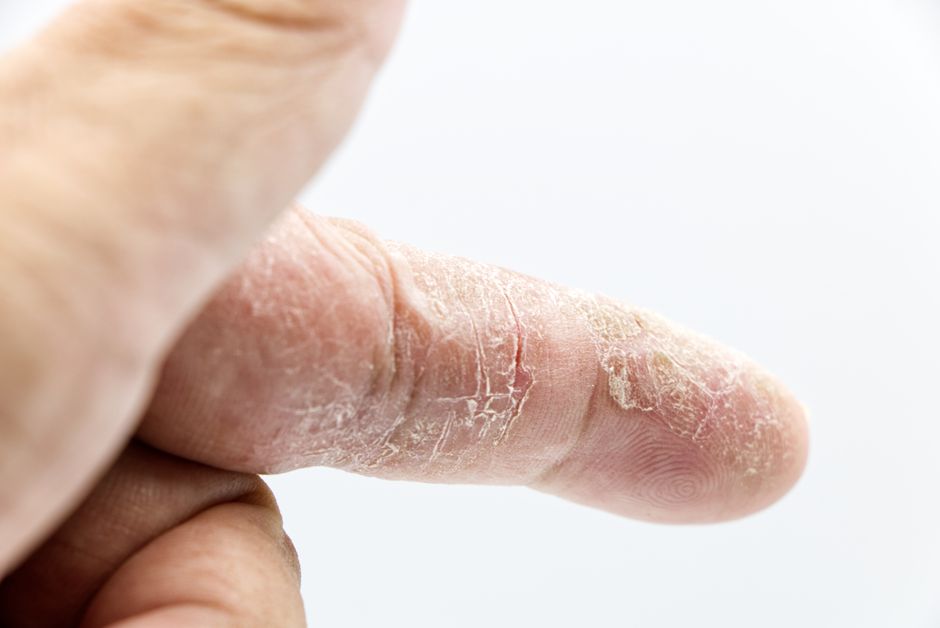
Plaque psoriasis is a chronic skin condition that causes thick, scaly patches on the skin. There is no permanent cure, but many treatments can clear the skin for months or even years. The treatments that work fall into three main groups: topical creams for mild cases, phototherapy for moderate cases, and systemic medications for severe cases.
What Is Plaque Psoriasis and Why Does It Happen?
Plaque psoriasis is an immune system problem. White blood cells attack healthy skin cells by mistake. This speeds up the skin cell lifecycle. Normal skin cells grow and shed over about a month. In psoriasis, they do this in just a few days. The cells pile up on the surface, forming thick patches called plaques.
These plaques are often red with a silvery-white scale. They can itch, burn, or feel sore. Common spots include the elbows, knees, scalp, and lower back. The condition is not contagious. You cannot catch it from someone else.
Genetics play a large role. Many people with psoriasis have a family history of it. Certain triggers can make symptoms worse. These include stress, infections like strep throat, skin injuries, cold weather, and some medications. Smoking and heavy alcohol use also make flares more likely.
How To Get Rid Of Plaque Psoriasis Treatments That Work: Start With Topicals
For mild to moderate plaque psoriasis, topical treatments are usually the first step. These are creams, ointments, and lotions applied directly to plaques. They work best when used consistently, even after the skin looks clear.
Corticosteroids are the most common topical treatment. They reduce inflammation and slow down skin cell growth. They come in different strengths. Low-strength versions work for sensitive areas like the face. High-strength versions work for thick plaques on the elbows and knees. Use them exactly as directed. Overuse can thin the skin.
Vitamin D analogs like calcipotriene slow skin cell growth. They are often used alone or combined with a steroid. Many dermatologists recommend using them together during the day and a steroid at night. This combination often works better than either alone.
Coal tar has been used for over a century. It reduces scaling and itching. It works well but has downsides. It stains clothing and has a strong smell. Newer formulations are less messy. Some research supports its effectiveness, but it is not as precisely targeted as prescription options.
Salicylic acid helps remove scales. It does not treat the underlying inflammation. It works best when paired with a steroid. The acid lifts the scale so the steroid can reach the skin underneath.
Prescription vitamin A creams like tazarotene also slow skin cell growth. They can irritate the skin at first. Many people use them only on stubborn plaques.
Topicals take time. Expect two to four weeks before you see real improvement. If a topical does not help after a few weeks, talk to your dermatologist. Do not stop treatment suddenly if it was prescribed for maintenance.
When Light Therapy Becomes the Right Choice
Phototherapy uses ultraviolet light to treat psoriasis. It works by slowing skin cell growth and suppressing the immune response in the skin. It is a good option when topicals are not enough or when psoriasis covers a large area.
Narrowband UVB is the most common form. It delivers a specific wavelength of ultraviolet B light. Treatment sessions happen two to three times per week in a doctor’s office. Each session lasts only a few minutes. Many people see significant clearing within two to three months.
PUVA combines a medication called psoralen with UVA light. The psoralen makes the skin more sensitive to the light. PUVA is very effective but has more side effects. It increases the risk of skin cancer over time. It is used less often now because of that risk.
Excimer laser delivers a focused beam of UVB light to specific plaques. It does not affect healthy skin. It works well for small, stubborn patches on the elbows, knees, and scalp.
Home phototherapy units exist. They are not right for everyone. A dermatologist must decide if you are a candidate. If you use one, you need regular check-ups to monitor your skin.
Consistency matters with light therapy. Missing sessions reduces effectiveness. Do not use tanning beds as a substitute. Tanning beds emit mostly UVA light, which is less effective and more harmful to the skin.


Systemic Medications for Moderate to Severe Psoriasis
When psoriasis covers more than 10 percent of the body or does not respond to topicals and light, systemic treatment is the next step. These medications work from inside the body. They target the immune system directly.
Biologics are the most effective systemic option. They are protein-based drugs given by injection or infusion. They block specific immune signals that drive psoriasis. Examples include TNF inhibitors, IL-17 inhibitors, and IL-23 inhibitors. These drugs can clear skin completely in many people.
Biologics require regular dosing. Some are given every few weeks. Others every few months. They work well but are expensive. They also slightly increase the risk of serious infections. Before starting a biologic, you will need blood tests and screening for tuberculosis.
Oral systemic medications include methotrexate and cyclosporine. Methotrexate slows cell division and suppresses the immune system. It is taken once a week as a pill or injection. It requires regular blood tests to monitor liver function. Cyclosporine works quickly but is used only for short periods. Long-term use can damage the kidneys.
Apremilast is a newer oral medication. It works differently from other systemics. It reduces inflammation inside immune cells. It does not require blood monitoring as often. Side effects include nausea and diarrhea in the first few weeks. Many people find these pass with time.
Systemic medications are not interchangeable. Your dermatologist will choose based on your psoriasis severity, other health conditions, and your preferences. Some people try one biologic and switch to another if the first does not work. This is normal and expected.
What Actually Clears Scalp Psoriasis?
Scalp psoriasis is common and often harder to treat. The hair blocks creams from reaching the skin. Many people need a different approach.
Medicated shampoos containing coal tar or salicylic acid help remove scale. They are available over the counter. Use them two to three times per week. Leave the shampoo on for five minutes before rinsing.
Topical steroid solutions are the mainstay of scalp treatment. They come as liquids, foams, and sprays. These penetrate the hair better than creams. Apply them directly to the scalp, not the hair. Your dermatologist can prescribe the right strength.
Vitamin D analogs also work on the scalp. They come in foam or solution forms. Some people use them on weekdays and a steroid on weekends. This rotation reduces steroid side effects while keeping the scalp clear.
For severe scalp psoriasis that does not respond to topicals, biologics often work very well. Many people report their scalp clears faster than other body areas once systemic treatment starts.
Lifestyle Factors That Genuinely Affect Psoriasis
Lifestyle changes do not cure psoriasis. But they can reduce flares and make treatment work better. The evidence is strongest for weight, alcohol, and smoking.
Weight loss helps. Fat tissue produces inflammatory chemicals. Losing weight reduces that inflammation. Some studies show that people who lose weight respond better to biologics. If you are overweight, aiming for a 5 to 10 percent weight loss is a reasonable goal.
Alcohol makes psoriasis worse. It increases inflammation and can trigger flares. Heavy drinking also interferes with some psoriasis medications, especially methotrexate. Reducing or stopping alcohol is one of the most effective lifestyle changes you can make.
Smoking is linked to more severe psoriasis. It also makes treatment less effective. Quitting smoking improves skin and overall health. This benefit appears regardless of how long you have smoked.
Stress management matters, but the evidence is less clear. Many people report flares during stressful periods. Stress reduction techniques like meditation or therapy may help. They are not a substitute for medical treatment.
Moisturizers do not treat psoriasis directly. They reduce dryness and itching. Thick ointments like petroleum jelly lock in moisture. Apply them after bathing while skin is still damp. This helps the skin barrier and reduces cracking.
When To See a Dermatologist
See a dermatologist if over-the-counter treatments do not help within a few weeks. Also see one if psoriasis covers a large area, causes significant pain, or affects your joints.
Psoriatic arthritis affects up to 30 percent of people with psoriasis. It causes joint pain, stiffness, and swelling. It can damage joints permanently if untreated. Early treatment prevents that damage. If you have psoriasis and joint pain, mention it to your doctor immediately.
Do not ignore plaques that change appearance. See a doctor if a patch grows rapidly, bleeds easily, or looks different from your other plaques. This is rare, but skin changes deserve attention.
Common Myths About Psoriasis Treatment
Many myths circulate about psoriasis. Some are harmless. Others lead people to delay effective treatment.
Myth: Psoriasis is just dry skin. Psoriasis is an immune disease. Moisturizers help symptoms but do not treat the cause. That is why prescription treatments are needed.
Myth: Sun exposure cures psoriasis. Sunlight can improve psoriasis in some people. UVB light is a real treatment. But uncontrolled sun exposure increases skin cancer risk. It also burns skin, which can trigger new plaques. Some people find their psoriasis improves in summer. This does not mean sunbathing is a treatment.
Myth: Diet alone can cure psoriasis. No diet has been proven to cure psoriasis. Some people report improvement with anti-inflammatory diets or gluten-free diets if they have celiac disease. The evidence is limited. Dietary changes may help some people, but they should not replace medical treatment.
Myth: Psoriasis is contagious. It is not. You cannot pass it to someone else through touch or shared items.
How Long Until Treatment Works?
Timelines vary by treatment type. Topicals can show improvement in two to four weeks. Full clearing may take two months. Biologics often show results within four to six weeks. Some people see major improvement after the first dose. Others need several months to reach their best response.
Do not expect overnight results. If a treatment has not helped after three months, tell your dermatologist. They may increase the dose, add another treatment, or switch to a different option. Finding the right treatment sometimes takes several tries. This is normal.
Treatment is ongoing. Even when skin clears, the immune problem remains. Stopping treatment often leads to a relapse within weeks or months. Many people use maintenance dosing to keep skin clear long-term.
Frequently Asked Questions
Can plaque psoriasis be cured permanently?
No. Plaque psoriasis is a chronic immune condition with no permanent cure. Treatments can clear the skin for long periods, but symptoms often return when treatment stops.
What is the most effective treatment for plaque psoriasis?
Biologic medications are the most effective treatments for moderate to severe plaque psoriasis. For mild cases, prescription topical corticosteroids combined with vitamin D analogs are the first-line standard.
How long does it take for psoriasis treatment to work?
Topicals typically show improvement within two to four weeks. Biologics often produce visible results within four to six weeks, with maximum effect after several months.
Is light therapy safe for psoriasis?
Narrowband UVB phototherapy is generally safe and effective under medical supervision. PUVA carries a higher skin cancer risk and is used less often. Never use tanning beds as a substitute for medical phototherapy.
