
You cannot permanently “get rid” of plaque at home once it hardens into tartar. What you can do is remove the soft, sticky film of plaque every day before it hardens, and see a dentist or hygienist to take off what has already set. That two-part approach is the honest answer, and it works.
Plaque is a living film of bacteria that builds up on teeth within hours of brushing. If it stays put, minerals in your saliva harden it into tartar, also called calculus. Tartar cannot be brushed or flossed away. Only a dental professional can remove it. So the real goal is daily plaque control plus regular professional cleaning.
How To Get Rid Of Plaque From Teeth
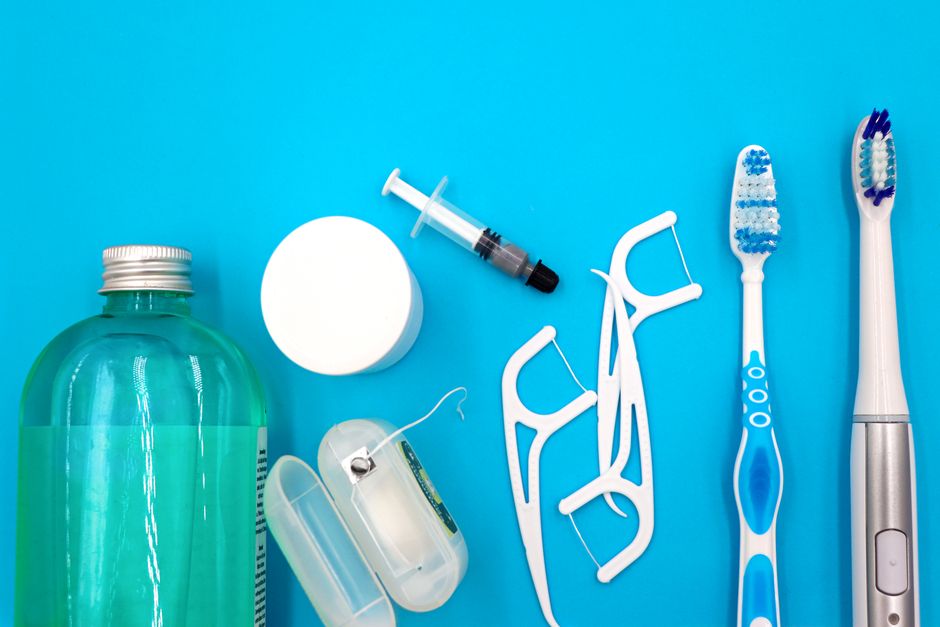
Plaque removal is a mechanical job. You are physically disrupting a bacterial film, and the tools that do this best are a toothbrush and something that cleans between the teeth.
Brushing twice a day with a fluoride toothpaste removes the bulk of plaque from the surfaces you can reach. The key word is reach. A toothbrush cannot get into the tight spaces between teeth or under the gumline, which is where plaque does the most damage.
That is why cleaning between your teeth matters as much as brushing. Dental floss, interdental brushes, or water flossers all disrupt plaque in those gaps. For people with wider spaces between teeth or gum recession, small interdental brushes often clean better than string floss. For tight contacts, floss works well.
Technique matters more than effort. Angle the bristles toward the gumline at roughly 45 degrees and use short, gentle strokes. Scrubbing hard does not remove more plaque. It just wears down enamel and irritates gums over time.
What about mouthwash? Most rinses are a supplement, not a replacement. They can reach spots your brush misses, but they do not physically break up the plaque film the way brushing and flossing do. A rinse alone will not remove established plaque.
Why Can’t I Just Brush Away the Hard Stuff?
Tartar is plaque that has mineralized. Once saliva minerals bind into the plaque film, it fuses to the tooth surface like concrete. No toothbrush, no floss, and no home remedy can break that bond.
This is not a matter of trying harder. The hardened deposit sits partly below the gumline, where bristles cannot reach at all. That is why a dental professional uses specialized instruments called scalers and curettes to physically chip and scrape it off. Some offices also use ultrasonic devices that vibrate tartar loose.
This is the single most important distinction in the whole topic. Plaque is soft and removable at home. Tartar is hard and removable only in a dental chair. Confusing the two is why so many people feel like their home routine is failing when it is actually working on the part it can control.
Do Home Remedies for Plaque Actually Work?
Some household items have mild antibacterial or abrasive properties. None of them remove tartar, and none replace brushing, flossing, and professional cleaning.
Here is what the evidence actually shows, without the hype:
- Baking soda is a mild abrasive and is a common ingredient in many commercial toothpastes. It can help polish surface stains and may slightly reduce plaque. It does not remove tartar.
- Oil pulling with coconut or sesame oil has been studied, and some small trials suggest it may reduce plaque and gingivitis scores modestly. The evidence is limited and the effect is far smaller than brushing and flossing. It is not a substitute.
- Apple cider vinegar is acidic. Rinsing with it or applying it directly can erode enamel over time. This is a real risk, not a theoretical one.
- Aloe vera, cloves, and herbal rinses have some antimicrobial activity in lab studies. Whether that translates to meaningful plaque reduction in a human mouth is not well established.
No home remedy removes tartar. Any product or video claiming it does is not supported by evidence. If a method sounds too easy to be true, it usually is.




What Actually Prevents Plaque From Building Up?
Prevention comes down to frequency and consistency, not intensity. Plaque starts reforming within hours of a cleaning, so the goal is to disrupt it before it matures.
A few habits make the biggest difference:
- Brush twice daily for about two minutes each time, using fluoride toothpaste.
- Clean between teeth once a day. Floss, interdental brushes, or a water flosser all count.
- Limit sugary and starchy snacks between meals. Frequent sugar exposure feeds the bacteria that form plaque and produce acid.
- Drink water, especially after eating. It helps rinse away food particles and supports saliva flow.
- Do not skip professional cleanings. Home care cannot reach tartar, and it cannot fully clean below the gumline.
Fluoride toothpaste does more than clean. It helps remineralize early enamel damage and makes enamel more resistant to acid. That is a well-established benefit and one reason fluoride remains the standard recommendation from dental and health authorities worldwide.
One thing worth knowing: plaque is not the same as food debris. You can rinse away food, but the bacterial film clings to teeth and needs to be physically scrubbed or flossed off. That is why swishing with water or mouthwash is not enough on its own.
How Often Do You Need Professional Cleaning?
For most adults with healthy gums, a professional cleaning every six months is the common recommendation. That interval is not a strict rule for everyone, and it is worth being honest about that.
People with gum disease, a history of cavities, smoking, diabetes, or other risk factors may need cleanings more often, sometimes every three to four months. People with very healthy mouths and low risk may be able to go longer. Your dentist or hygienist can advise based on your actual gum health, not a one-size-fits-all schedule.
Professional cleaning does two things home care cannot. It removes tartar above and below the gumline, and it lets a clinician check for early signs of gum disease and cavities while they are still manageable.
When Plaque Turns Into a Bigger Problem
Plaque that is not removed causes two main problems, and they are different conditions.
Gingivitis is inflammation of the gums. It shows up as redness, swelling, and bleeding when you brush or floss. At this stage, the damage is reversible. Good home care and a professional cleaning can usually clear it.
Periodontitis is more serious. The inflammation spreads below the gumline and, over time, the tissues and bone that hold teeth in place can be destroyed. This damage is generally not reversible. It is managed, not cured. Periodontitis is a leading cause of tooth loss in adults, and it often develops quietly with few symptoms until it is advanced.
This is why the stakes are higher than appearance. Plaque control is not just about a clean smile. It is about keeping the structures that hold your teeth in place.
| Feature | Plaque | Tartar (Calculus) |
|---|---|---|
| Texture | Soft, sticky film | Hard, mineralized deposit |
| Forms | Within hours | As plaque matures over days |
| Removable at home | Yes, by brushing and flossing | No |
| Removed by | Toothbrush, floss, interdental brushes | Dental professional only |
| Color | Usually colorless to pale | Yellow to brown |
Can You Reverse Plaque Damage Once It Starts?
Early gum inflammation from plaque is reversible. Established bone loss from periodontitis is not.
That distinction is the whole point of acting early. Gingivitis can be turned around with consistent home care and a professional cleaning. Once periodontitis has destroyed supporting bone, that bone does not grow back on its own. Treatment aims to stop progression and maintain what remains.
If your gums bleed regularly, look puffy, or have pulled away from your teeth, that is a reason to see a dentist rather than wait. Bleeding gums are not normal, even if they are common.
Frequently Asked Questions
Can I remove tartar at home?
No. Tartar is mineralized and bonded to the tooth, so it can only be removed by a dental professional using specialized instruments. Home remedies and brushing cannot break it down.
Does oil pulling really remove plaque?
Some small studies suggest oil pulling may modestly reduce plaque and gum inflammation, but the effect is much smaller than brushing and flossing. It is not a replacement for either.
How often should I get my teeth cleaned?
Every six months is the common recommendation for most adults with healthy gums. People with gum disease or other risk factors may need cleanings more often, so follow your dentist’s advice for your situation.
Is bleeding gums a sign of plaque buildup?
Yes, bleeding when you brush or floss is a common early sign of gum inflammation caused by plaque. It is not normal and is worth having checked, because early gingivitis is reversible.
