
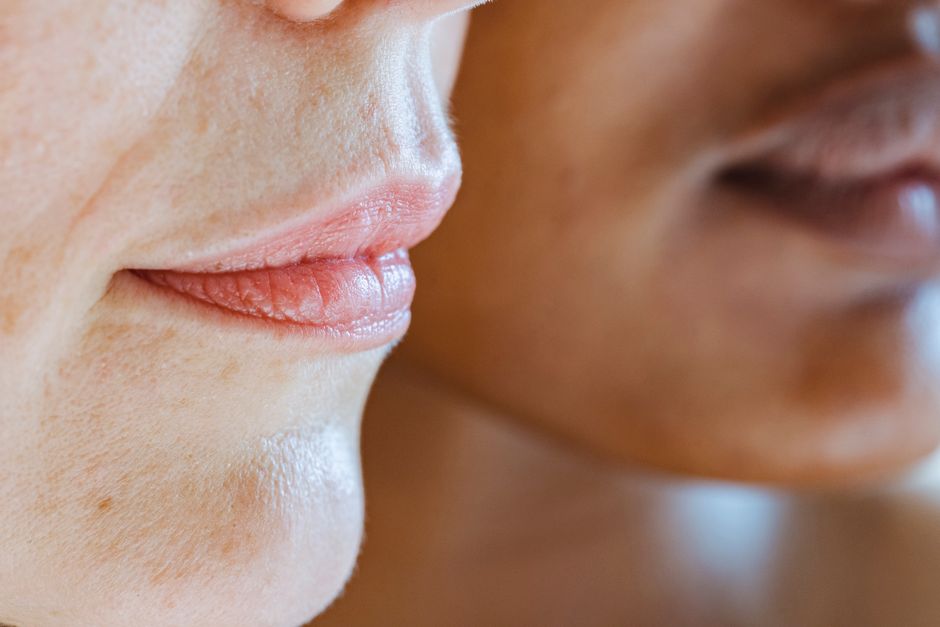
Perioral dermatitis is a frustrating skin condition that causes a red, bumpy rash around the mouth, nose, and sometimes the eyes. The honest answer to getting rid of it permanently is that you treat the underlying inflammation and stop the habits that triggered it in the first place. Most people clear it completely by stopping all active topical steroids, following a strict “zero therapy” or prescribed medication plan, and simplifying their skincare routine, though it can take weeks or even months to fully resolve.
What Exactly Is Perioral Dermatitis?
Perioral dermatitis is an inflammatory skin condition. It looks like small red bumps, papules, and sometimes pus-filled pimples clustered around the mouth. The skin often feels dry, tight, and scaly underneath the bumps. It can also appear around the nose and on the chin.
The rash typically leaves a clear margin of unaffected skin right next to the lips. That border is one of the key signs doctors use to tell it apart from acne or rosacea. It is not acne. It is not a bacterial infection in the traditional sense. It is a specific pattern of inflammation that responds to specific treatments.
The condition is most common in women between the ages of 20 and 45, but it can affect men, teenagers, and occasionally children. It is not contagious and it is not caused by poor hygiene. In fact, washing the area too aggressively often makes it worse.
What Causes Perioral Dermatitis to Flare?
The exact cause is not fully understood, but the strongest trigger is clear: topical steroids. These include prescription creams like hydrocortisone, triamcinolone, and betamethasone, as well as over-the-counter hydrocortisone products. Using these on the face, even briefly, can cause a rebound flare when you stop.
Some people develop the rash after using inhaled steroid sprays for asthma or nasal steroid sprays for allergies. The medication can drift onto the skin around the nose and mouth. Fluorinated toothpaste is also a suspected trigger, though the evidence is not definitive. Some dermatologists recommend switching to a non-fluoride toothpaste for a trial period, but this has not been proven to resolve the condition on its own.
Heavy moisturizers, thick creams, and petroleum-based products can also contribute. These products trap heat and moisture against the skin, which can worsen the inflammation. Sunscreen, makeup, and even some gentle cleansers have been reported as triggers in individual cases, but the pattern is not consistent across all patients.
Hormonal factors may play a role. The condition is more common in women, and some women report flares around their menstrual cycle. However, no consistent hormonal abnormality has been identified, and hormone therapy is not a standard treatment.
Why Topical Steroids Make It Worse
Topical steroids initially seem to calm the rash. The redness fades and the bumps flatten within a few days. That improvement is temporary. When the steroid is stopped, the rash returns with more intensity. This is called a rebound flare.
With each cycle of use and withdrawal, the condition can become more stubborn. The skin thins, the blood vessels become more visible, and the inflammation spreads to a wider area. Some dermatologists refer to this as “steroid-induced perioral dermatitis.”
The first step in any treatment plan is to stop all topical steroids on the face. This is non-negotiable. The rebound flare can be severe and uncomfortable for the first one to two weeks. Many people find this period discouraging, but it is a normal part of the healing process. You have to push through it.
If you have been using a strong prescription steroid on your face, talk to your doctor before stopping. In some cases, they may recommend tapering the dose gradually to reduce the intensity of the rebound. For most people, stopping abruptly is safe, but your doctor can guide you based on your specific history.





How To Get Rid Of Perioral Dermatitis Permanently
The permanent solution requires treating the inflammation and removing the triggers. There is no single pill or cream that works for everyone, but the treatment approach is well established.
First, stop all steroids and suspected irritants. This includes prescription steroids, over-the-counter hydrocortisone, heavy moisturizers, and any new skincare products you introduced around the time the rash started. If you use a steroid inhaler, rinse your mouth and face thoroughly after each use.
Second, consider “zero therapy.” This means washing your face with plain water only and applying nothing else. No cleanser, no moisturizer, no makeup, no sunscreen. The skin needs to rest. This approach is difficult for many people because the skin feels dry and tight, especially during the steroid withdrawal phase. But zero therapy alone resolves the condition in some people within four to six weeks.
Third, if zero therapy is not enough, your doctor may prescribe an oral antibiotic. Tetracycline-class antibiotics, such as doxycycline or minocycline, are the most commonly used. These are taken at a low dose for six to twelve weeks. They work by reducing inflammation rather than by killing bacteria. This is an important distinction. The anti-inflammatory effect is what clears the rash, not the antimicrobial effect.
Topical antibiotics like metronidazole cream or erythromycin gel are also used, but they are generally less effective than oral options for moderate to severe cases. Pimecrolimus cream and tacrolimus ointment, which are calcineurin inhibitors, are sometimes prescribed as steroid-free alternatives. These are effective for some patients but can cause a burning sensation on application. They are not approved by the FDA specifically for perioral dermatitis, though some dermatologists prescribe them off-label.
Ivermectin cream, which is approved for rosacea, has also shown benefit in some studies for perioral dermatitis. The evidence is not as strong as it is for oral antibiotics, but it may be an option if other treatments fail.
How Long Does It Take To Clear?
Most people see significant improvement within two to four weeks of starting treatment. Complete clearance typically takes six to twelve weeks. It is not a quick fix. The skin heals slowly because the inflammation is deep and the barrier has been damaged.
The first week after stopping steroids is usually the worst. The rash may spread, become more red, and feel more itchy or burning. This is the rebound flare. It peaks around day five to day ten and then gradually subsides.
After the bumps clear, the skin may remain pink or red for several more weeks. This post-inflammatory erythema fades on its own. It is not a sign that the condition is returning. It is simply the skin repairing itself.
Permanent scarring is rare. The condition affects the upper layers of the skin, and most people heal without lasting marks. If you pick at the bumps, you can cause secondary infection or scarring, so resist the urge to squeeze or scratch.
What Skincare Routine Works During Recovery?
Less is more. During the active phase, your skin cannot tolerate much. A gentle cleanser without fragrance or active ingredients is acceptable if plain water is not enough to remove sunscreen or makeup. Look for products labeled “fragrance-free” and “for sensitive skin.”
Moisturizers are tricky. Some patients find that any moisturizer worsens the rash. Others find that a very light, non-comedogenic gel or lotion helps reduce the tightness. If you use a moisturizer, choose one with minimal ingredients. Avoid anything with hyaluronic acid, niacinamide, or other active ingredients until the rash is fully cleared.
Do not use exfoliants. No scrubs, no acids, no retinoids, no vitamin C serums. These will all worsen the inflammation. The same applies to face masks, peels, and facial oils. Your skin needs nothing except time and the prescribed treatment.
Sunscreen is important because steroid-damaged skin is more sensitive to UV radiation. But many sunscreens contain ingredients that irritate perioral dermatitis. If you must go outside, use a mineral sunscreen with zinc oxide or titanium dioxide and wash it off gently at the end of the day. If sunscreen worsens the rash, wear a wide-brimmed hat instead.
Makeup should be avoided during the active phase. If you absolutely cannot go without it, use a mineral powder foundation and remove it gently. But know that makeup can prolong the recovery and increase the risk of clogged follicles that resemble the rash.
Will It Come Back?
Perioral dermatitis can recur. The recurrence rate is not precisely known, but many patients experience at least one flare after successful treatment. The key to preventing recurrence is identifying and avoiding your personal triggers.
For most people, the trigger is topical steroid use. If you never use steroids on your face again, your risk of recurrence drops significantly. If you are prescribed a steroid cream for another condition, ask your doctor for a non-steroid alternative or use it only on non-facial areas.
For others, the trigger is a specific skincare product. If you introduced a new product before the flare, that product is the likely culprit. Avoid it permanently.
For some people, no clear trigger is identified. The condition flares spontaneously. In these cases, keeping a simple, minimal skincare routine reduces the risk. Do not add new products frequently. Patch test new products on your forearm for a week before applying them to your face.
What Does Not Work?
Over-the-counter acne treatments do not work for perioral dermatitis. Benzoyl peroxide, salicylic acid, and adapalene are all too irritating. They will worsen the rash and delay healing.
Antifungal creams are sometimes marketed for perioral dermatitis. There is no evidence that fungal overgrowth causes this condition. These creams will not help.
Natural remedies like tea tree oil, apple cider vinegar, and coconut oil are not supported by clinical evidence. These can cause contact dermatitis and make the rash worse. Avoid them.
Dietary changes are often suggested online, but no clinical trial has proven that any specific food causes or cures perioral dermatitis. Some patients report that spicy foods or alcohol worsen their symptoms, but this is anecdotal. If you notice a consistent pattern, you can adjust your diet, but do not expect dietary changes alone to resolve the condition.
Frequently Asked Questions
Can toothpaste cause perioral dermatitis?
Fluorinated toothpaste is a suspected trigger, but the evidence is not conclusive. Some dermatologists recommend a trial of non-fluoride toothpaste, but it is unlikely to resolve the condition on its own.
Is perioral dermatitis the same as rosacea?
No, they are different conditions, though they can look similar. Perioral dermatitis is specifically located around the mouth and nose, while rosacea typically affects the cheeks, nose, and forehead.
Can I wear makeup while treating perioral dermatitis?
It is best to avoid makeup during the active phase. If you must wear it, use a mineral powder and remove it gently, but know that it can prolong recovery.
How long does the steroid rebound flare last?
The rebound flare typically peaks within the first one to two weeks after stopping steroids. It then gradually subsides as treatment takes effect.
