
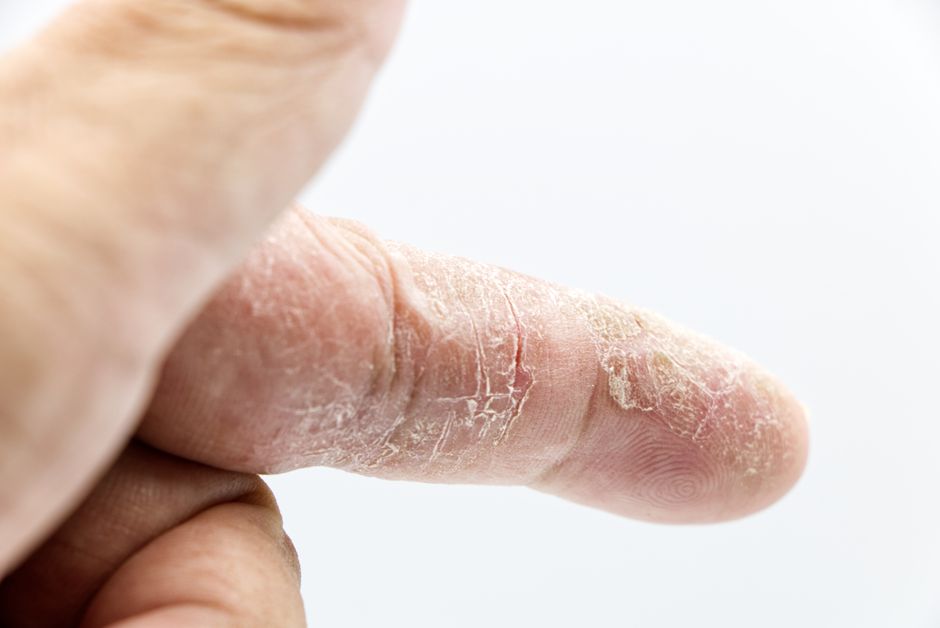
Peeling skin on your hands usually comes from damage to the outer layer of skin, and the fastest way to calm it is to stop whatever is drying or irritating your hands, moisturize heavily and often with a plain fragrance-free cream, and protect your hands from water and chemicals while the skin recovers. Most mild peeling from dryness or irritation improves within days to a couple of weeks once the cause is removed. If peeling is deep, painful, spreading, or comes with blisters, rash, or other symptoms, see a doctor rather than treating it at home.
What Actually Causes Peeling Skin On Hands?
The outer layer of your skin, the stratum corneum, is built to hold water and stay flexible. When it loses water or gets damaged, the surface cells dry out and start to separate from the layers beneath. That separation is what you see as peeling.
Several things can trigger this. The most common is simple dryness, often made worse by frequent handwashing, hot water, and cold winter air. Irritant contact dermatitis is next — a reaction to soaps, detergents, cleaning products, or repeated water exposure. Some people react to ingredients in hand sanitizers, nail products, or fragrances.
Other causes look similar but need different care. These include eczema (atopic dermatitis), psoriasis, fungal infections, and reactions to medications. Peeling after an infection with fever and rash is another pattern doctors consider.
Because so many conditions produce peeling that looks alike, the appearance alone does not confirm a cause. A doctor can usually tell the difference by asking about your history and examining the skin.
How Do You Stop Peeling Skin On Hands Fast?
The fastest approach is to remove the irritant, restore moisture, and protect the skin barrier while it heals. You cannot make skin repair itself overnight, but you can stop the ongoing damage that keeps it peeling.
Start by cutting back on anything that strips oils from your hands. That means shorter, cooler washes, gentler soap, and fewer exposures to cleaning chemicals. Then moisturize immediately after every wash, while your hands are still slightly damp, to trap water in the skin.
Here is what tends to help most:
- Moisturize often. Apply a fragrance-free cream or ointment several times a day, especially after washing and before bed.
- Choose thicker products. Ointments and thick creams hold water in better than thin lotions.
- Wear gloves. Use waterproof gloves for dishes and cleaning, and cotton gloves overnight after moisturizing to lock in hydration.
- Avoid peeling the skin. Picking at loose skin can tear healthy tissue and open the door to infection.
- Skip harsh soaps and sanitizers where you can. When you must use them, follow with moisturizer right away.
If your hands are cracked or painful, a doctor may suggest a short course of a prescription topical treatment. That decision depends on the underlying cause, so it is not something to self-prescribe.
Which Moisturizers Help Peeling Hands Most?
Thick, fragrance-free products work best for peeling hands because they both add water and slow its escape. The ingredients matter less than consistency and frequency.
Look for moisturizers built around humectants, which pull water into the skin, and occlusives, which seal it in. Glycerin and hyaluronic acid are common humectants. Petrolatum, dimethicone, and mineral oil are common occlusives. Ceramides, which are natural fats in the skin barrier, are included in many barrier-repair creams.
Fragrance is a frequent irritant, so unscented and fragrance-free products are the safer choice while skin is healing. “Unscented” and “fragrance-free” are not always the same thing — some unscented products still contain masking fragrances, so check the label.
Ointments like plain petrolatum are the most effective at sealing in moisture, though some people find them greasy for daytime use. A practical routine is a lighter cream during the day and a thicker ointment at night under cotton gloves.
When Should You See A Doctor For Peeling Hands?
See a doctor if peeling does not improve after a week or two of gentle care, or if it keeps coming back. Persistent peeling can point to a condition that needs specific treatment, such as eczema, psoriasis, or a fungal infection.
Get medical attention sooner if you notice any of these:
- Blisters, oozing, or crusting
- Redness, swelling, warmth, or pus, which can signal infection
- Peeling that spreads to other parts of your body
- Pain that is severe or getting worse
- Peeling along with fever, rash elsewhere, or feeling unwell
- Peeling after starting a new medication
Some causes of peeling are not skin problems at all. Certain systemic conditions and reactions to drugs can cause skin to shed. A doctor can sort out whether your peeling is a local skin issue or part of something broader.
What Habits Make Peeling Hands Worse?
Several everyday habits keep the skin barrier broken and slow healing. Changing them is often the difference between peeling that clears up and peeling that drags on.
Washing your hands many times a day with hot water and strong soap removes the oils that keep skin flexible. Alcohol-based sanitizers, used constantly, can be drying, though they are still important for hygiene when soap and water are not available. Cleaning products, dish soap, and household chemicals strip skin further when used without gloves.
Cold, dry air pulls moisture from the skin, which is why peeling often flares in winter. Indoors, low humidity from heating has the same effect. Running a humidifier and moisturizing more often can help.
Picking and peeling at loose skin is a habit worth breaking. It removes the protective surface and can lead to small tears that become infected. Keeping nails short and hands moisturized reduces the urge.
Can Diet Or Supplements Fix Peeling Skin?
No supplement has been shown to quickly reverse peeling hands caused by dryness or irritation. The evidence for most skin supplements is limited, and none replaces treating the skin directly.
Severe nutritional deficiencies can affect skin health, but in people eating a normal diet this is uncommon. If you suspect a deficiency, a doctor can test for it rather than guessing. Taking supplements you do not need carries its own risks and costs.
The reliable path to healthier skin is still the basics: keep it moisturized, protect it from irritants, and treat any underlying condition. Marketing for “skin” supplements often outruns the evidence — no large human trials confirm that most of these products repair peeling hands.
How Long Does Peeling Skin On Hands Take To Heal?
Mild peeling from dryness or irritation often improves within a few days to about two weeks once you remove the cause and moisturize consistently. Deeper or chronic causes, like eczema or psoriasis, can take longer and may need ongoing management.
Healing time depends on how much of the skin barrier was damaged and whether the trigger is still present. If you keep exposing your hands to the same soap or chemical, the peeling will keep returning no matter how much you moisturize.
Skin renews itself continuously, so improvement is usually gradual rather than sudden. Expect steady progress rather than a single fix. If you see no improvement after a couple of weeks of gentle care, that is a signal to get it checked.
Frequently Asked Questions
How can I get rid of peeling skin on my hands fast?
Stop the irritant, moisturize with a thick fragrance-free cream several times a day, and protect your hands from water and chemicals. Most mild peeling improves within days to a couple of weeks with consistent care.
Why is the skin on my hands peeling off in sheets?
Peeling in sheets usually means the outer skin layer was damaged or dried out and is now shedding. Common causes include dryness, irritant contact dermatitis, and reactions to soaps or chemicals, but a doctor should check persistent or widespread peeling.
Should I peel off the dead skin on my hands?
No. Picking at loose skin can tear healthy tissue and raise the risk of infection, so let it shed on its own while you keep the skin moisturized.
When should I worry about peeling skin on my hands?
See a doctor if peeling comes with blisters, redness, swelling, pus, severe pain, fever, or spreads to other body areas. Peeling after a new medication also warrants prompt medical advice.
