
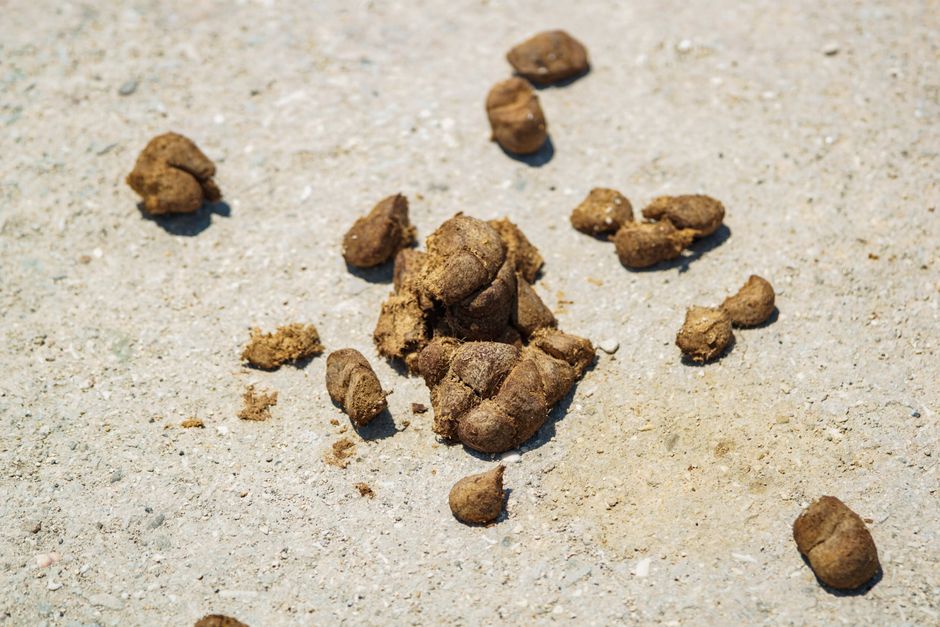
The human colon does not store old feces the way a warehouse stores boxes. It is a muscular tube that moves waste along in waves, and in a healthy gut, stool leaves within a day or two of forming. There is no layer of hardened waste cemented to the colon wall that has been sitting there for months. That idea spread widely online, but it does not match how the digestive tract works. What people usually mean by “old feces in the colon” is constipation, a slow transit time, or a feeling of incomplete emptying. The practical answer is to address the cause: fiber, fluids, movement, and treating constipation properly rather than chasing a detox that does not exist.
What Is “Old Feces In The Colon” Really?
The colon absorbs water and electrolytes from the material left after digestion, turning liquid waste into formed stool. Muscular contractions called peristalsis push that stool toward the rectum. When this process slows down, stool stays in the colon longer, and more water gets absorbed. The result is harder, drier stool that is harder to pass.
What you are feeling is not decades of accumulated waste. It is stool that is moving too slowly or sitting longer than it should. The medical term for this is slow-transit constipation or, more broadly, functional constipation. The sensation of a full or blocked colon is real, but the explanation is different from the viral claim.
This distinction matters. If you believe your colon is coated in old waste, you may be tempted toward extreme measures like colon cleanses, enemas, or herbal “flushes.” Those carry real risks and do not fix the underlying problem. If you understand it as constipation or slow transit, you can address it with approaches that actually work.
How Long Does Stool Normally Stay In The Colon?
For most healthy adults, food takes roughly 24 to 72 hours to travel from mouth to exit. That range is wide because it depends on diet, hydration, activity, and individual biology. Some people have a bowel movement once or twice a day. Others go every other day and are perfectly healthy.
There is no single “correct” number of bowel movements. What matters more is whether your pattern has changed, whether you strain, and whether you feel you have fully emptied. Constipation is generally defined by infrequent stools, hard stools, straining, or a sense of incomplete evacuation — not by a strict count.
When transit genuinely slows, stool can remain in the colon longer than usual. But even then, it is a matter of days, not months or years. The colon sheds its lining cells continuously, and old material does not permanently adhere to the wall.
What Actually Causes A Sluggish Colon?
Slow transit and constipation usually come from a combination of factors, not a single culprit. Understanding which ones apply to you helps you target the fix.
- Low fiber intake. Fiber adds bulk and holds water in stool, making it easier to move.
- Not enough fluids. The colon pulls water from stool. Dehydration makes stool harder.
- Physical inactivity. Movement stimulates the muscles of the gut.
- Ignoring the urge. Delaying a bowel movement lets stool sit and dry out.
- Medications. Opioids, some antidepressants, iron supplements, and certain blood pressure drugs can slow the gut.
- Medical conditions. Irritable bowel syndrome, hypothyroidism, and pelvic floor dysfunction are common contributors.
- Age and life stage. Gut motility tends to slow with age, and pregnancy commonly affects bowel habits.
Some of these you can change on your own. Others, like medication effects or pelvic floor problems, need a clinician’s input. Pelvic floor dysfunction, in particular, is often missed. It is a coordination problem where the muscles that should relax during a bowel movement tighten instead. Fiber alone will not fix it.




How To Get Rid Of Old Feces In The Colon Naturally
The most effective natural approach is to give your colon what it needs to move stool efficiently: bulk, water, and stimulation. None of these are dramatic, but they work because they address the actual mechanism.
Increase Fiber Gradually
Fiber is the single most studied dietary factor for constipation. Soluble fiber absorbs water and forms a gel that softens stool. Insoluble fiber adds bulk that helps the colon push contents along. Most adults fall short of recommended intake, which is generally cited as about 25 grams per day for women and 38 grams for men.
Add fiber slowly. Jumping straight to a high-fiber diet can cause gas, bloating, and cramping. Increase over a week or two and drink more water as you do. Good sources include beans, lentils, oats, whole grains, apples, pears, and leafy greens.
One caveat: for some people with irritable bowel syndrome, certain fibers make symptoms worse. If you have IBS, a clinician can help you find the right type and amount.
Drink Enough Water
Fiber without water can make constipation worse, not better. Fiber needs fluid to soften stool. Without it, you are adding bulk to an already dry colon. There is no universal water target that fits everyone, but a common general guide is to drink enough that your urine is light yellow. Needs rise with heat, exercise, and high-fiber intake.
Move Your Body
Physical activity stimulates the muscles of the digestive tract. You do not need intense exercise. Regular walking, even short bouts through the day, can help maintain bowel regularity. This is one reason constipation is more common in people who are inactive or bedbound.
Build A Consistent Routine
The gut responds to habit. Trying to have a bowel movement at the same time each day, often after a meal when the colon is naturally more active, can help train a more predictable pattern. Do not ignore the urge when it comes. Delaying is one of the most common self-inflicted causes of hard stool.
Use The Right Position
How you sit matters more than most people realize. Raising your feet on a small stool so your knees are above your hips can change the angle of the rectum and make passing stool easier. Some studies suggest this position reduces straining. It is a low-risk change worth trying.
Do Colon Cleanses And Detoxes Work?
No. There is no clinical evidence that colon cleanses remove “old feces” or provide lasting benefit, and the premise behind them is not accurate. The colon cleans itself. That is its job.
Colon cleansing products and procedures range from fiber powders and herbal teas to enemas and colonic irrigation. Some cause diarrhea, which people mistake for clearing out waste. What is actually happening is fluid loss and disruption of the gut’s normal balance.
Risks are real. Enemas and colonic irrigation can cause dehydration, electrolyte imbalances, and in rare cases, perforation of the bowel. Herbal cleanse products are not tightly regulated, and some have contained ingredients linked to liver or kidney harm. If you have kidney disease, heart disease, or take diuretics, the electrolyte risk is higher.
If you have constipation, the answer is not a cleanse. It is treating the constipation. That may mean diet and lifestyle changes, and for some people, medication guided by a clinician.
When Should You See A Doctor?
Most constipation responds to diet, fluids, and activity. But some symptoms need medical attention rather than home remedies.
- Blood in your stool or bleeding from the rectum
- Unexplained weight loss
- Severe abdominal pain or cramping
- A change in bowel habits lasting more than a few weeks
- Constipation that does not improve with diet and lifestyle changes
- New constipation in someone over 45 with no prior history
These can point to conditions that need evaluation. They are not something to manage with fiber alone. If any apply to you, see a clinician.
For persistent constipation without warning signs, a doctor can look for causes like hypothyroidism, medication side effects, or pelvic floor dysfunction. Some of these have specific treatments that work far better than trying harder with diet.
What About Fiber Supplements And Laxatives?
Fiber supplements like psyllium can be effective and are widely used. They work best with plenty of water. Start with a small dose and increase slowly.
Laxatives are a reasonable short-term tool, but they are not a long-term solution for most people. There are several types, and they work differently. Bulk-forming laxatives add fiber. Osmotic laxatives pull water into the bowel. Stimulant laxatives trigger contractions. Which one fits depends on the cause. Using the wrong type, or using them long-term without guidance, can cause problems.
If you need laxatives regularly, that is a signal to get evaluated rather than to keep self-treating. A clinician can help identify why and find a safer long-term plan.
Frequently Asked Questions
Can old feces stay in your colon for years?
No. Stool normally leaves the body within about 24 to 72 hours, and it does not harden onto the colon wall for years. The feeling of a blocked or full colon usually reflects slow transit or constipation, not accumulated old waste.
How can I clean out my colon naturally?
You do not need to clean it — the colon clears itself. What helps is eating enough fiber, drinking enough water, staying active, and not ignoring the urge to go.
Does a colon cleanse remove old waste?
No clinical evidence supports that colon cleanses remove old waste or provide lasting benefit. Some can cause dehydration, electrolyte problems, and in rare cases serious bowel injury.
How do I know if my constipation needs medical care?
See a doctor if you have blood in your stool, weight loss, severe pain, or constipation that does not improve with diet and lifestyle changes. New constipation after age 45 also warrants evaluation.
