
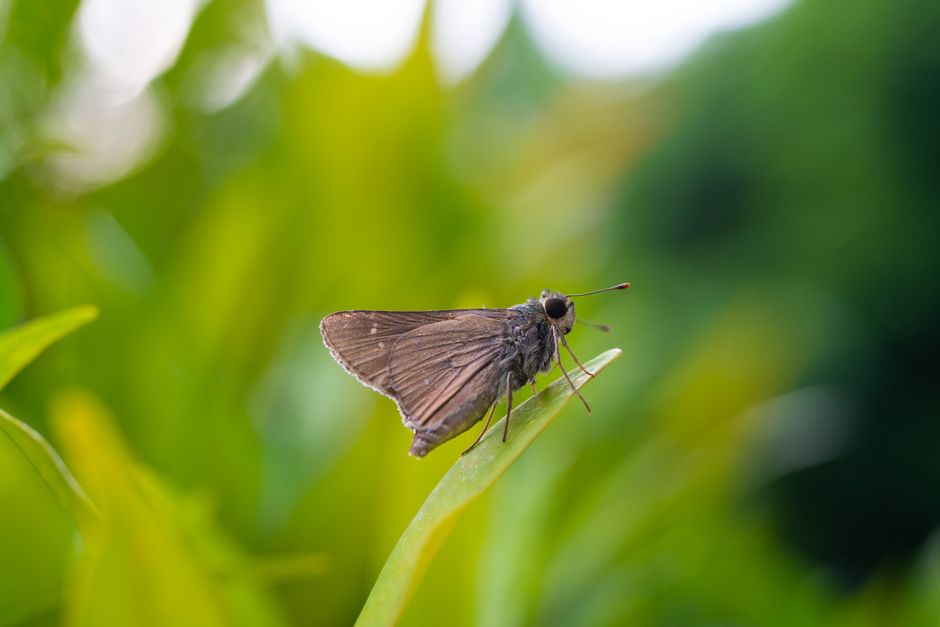
Moths in a house are usually one of two problems: clothes moths chewing holes in wool and other natural fibers, or pantry moths infesting stored food. Getting rid of them means finding the source, cleaning it out completely, and using traps or targeted treatment to break the breeding cycle. You do not need to fumigate a whole house for a typical moth problem.
How To Get Rid Of Moths From House Without Calling an Exterminator
Most moth infestations can be handled with a systematic approach. The key is understanding that killing the adult moths you see flying around does almost nothing. The adults are the visible tip. The larvae, eggs, and pupae hidden in fabric, food, or cracks are the actual problem.
Start by identifying which type of moth you have. This changes everything about how you deal with it.
- Clothes moths — small, gold or pale-colored, weak fliers. They avoid light and tend to hide in dark closets. The larvae eat wool, silk, fur, feathers, and sometimes cotton blends.
- Pantry moths — also called Indian meal moths. They fly more actively, especially in the evening. The larvae feed on grains, flour, cereal, dried fruit, nuts, and pet food.
Once you know which one you are dealing with, you can target the source instead of chasing adults around the room.
What Actually Causes Moths in a House?
Moths do not appear spontaneously. They arrive as eggs, larvae, or adult females carried in on something. Common entry points include:
- Secondhand clothing, blankets, or furniture
- Bulk grains, flour, birdseed, or pet food from a store that already had an infestation
- Wool rugs, upholstery, or taxidermy
- Open windows or doors, though this is less common for clothes moths
Clothes moths are weak fliers. They rarely travel far on their own. If you have them, they were almost certainly brought in on an item. Pantry moths are stronger fliers and can move between rooms, but they still need a food source to establish a population.
Damp, dark, undisturbed areas make infestations worse. Clothes moths prefer humid environments and fabrics that have been stored without cleaning. Even tiny amounts of perspiration, food residue, or skin cells left on fabric can feed larvae.
How Do You Get Rid of Clothes Moths?
Clothes moths require a different approach than pantry moths. The goal is to remove their food source and kill every life stage.
Step 1: Empty and inspect the closet
Take everything out. Inspect each item carefully, especially wool, cashmere, silk, fur, and feathers. Look for holes, webbing, or small cream-colored larvae. If an item is heavily infested, sealing it in a plastic bag and discarding it is the most reliable option.
Step 2: Clean the space thoroughly
Vacuum every surface, including the floor, baseboards, corners, and the closet rod. Pay attention to cracks and crevices where eggs or larvae might hide. Dispose of the vacuum bag or empty the canister outside immediately.
Wipe down hard surfaces with a damp cloth. You do not need special chemicals. Removing dust, hair, and organic debris removes the larvae’s food.
Step 3: Treat the fabrics
Washing items in hot water and drying on high heat kills eggs and larvae. The specific temperature and duration needed depends on the fabric and the appliance, so check the care label. For items that cannot be washed, dry cleaning is effective. So can freezing, but the item needs to be sealed and kept frozen long enough to kill all life stages. There is no single universally agreed freezing time that works for every situation, so if you choose this route, research the specific method carefully.
For items you are keeping in storage, seal them in airtight containers or vacuum bags. This prevents moths from reaching them.
Step 4: Use traps for monitoring
Pheromone traps attract and catch adult male moths. They do not solve an infestation on their own because they do not kill larvae or eggs. But they are useful for tracking whether your efforts are working. If traps stop catching moths, the infestation is likely under control.




How Do You Get Rid of Pantry Moths?
Pantry moths are usually easier to eliminate because their food source is concentrated in one area.
Step 1: Empty the pantry completely
Remove everything from shelves and cabinets. Check every package, including unopened ones. Moth larvae can chew through thin plastic and cardboard. If you see webbing, clumping, or small larvae, throw the entire package away outside the house.
Step 2: Clean shelves and cracks
Vacuum shelves, corners, and crevices. Wipe with soap and water. Pay attention to the seams where shelves meet the cabinet walls. Larvae and pupae can hide in these tight spaces.
Step 3: Store food properly
Transfer all grains, flour, cereal, nuts, dried fruit, and pet food into glass or hard plastic containers with tight-fitting lids. Thin plastic bags and cardboard boxes are not adequate. Moth larvae can chew through them.
Step 4: Use pheromone traps
As with clothes moths, pheromone traps help monitor activity but do not eliminate the infestation. They catch adult males, which can reduce breeding, but they will not reach larvae inside food packages.
Do Mothballs Actually Work?
Mothballs contain pesticides and are regulated as such. They can kill moths and larvae in sealed containers, but they are not a solution for an active infestation in a room or closet. The vapors need to reach a high enough concentration in an enclosed space to be effective, and that same concentration is a health concern for people and pets.
Mothballs are not recommended for general household use in occupied spaces. If you use them at all, follow the label exactly and use them only in sealed containers, not loose in a closet. Children and pets are especially at risk from mothball exposure.
For most people dealing with a moth problem, cleaning, sealing, and monitoring with traps is safer and more effective than mothballs.
What About Natural Remedies Like Cedar, Lavender, or Vinegar?
Cedar, lavender, and other strong-smelling natural products are often recommended for moth control. The evidence for their effectiveness is limited.
Cedar oil does have some insecticidal properties in laboratory settings. But cedar blocks and cedar-lined closets do not reliably kill moths or larvae in real-world conditions. Their scent may repel some adult moths, but it does not eliminate eggs or larvae already present in fabric. Cedar loses its effectiveness as it ages and needs to be sanded or replaced.
Lavender sachets and essential oils may have mild repellent effects. They are not a treatment for an active infestation. Vinegar is sometimes suggested as a cleaning solution, and it can help remove odors and residue, but it does not kill moth eggs or larvae.
These products are not harmful to use as part of a broader strategy. They are just not sufficient on their own. No study has confirmed that any of them eliminate a moth infestation by themselves.
When Should You Call a Professional?
Most moth problems can be resolved without professional help. But there are situations where an exterminator or pest control specialist is worth the cost:
- The infestation has spread through wall voids, vents, or multiple rooms
- You have tried cleaning and sealing repeatedly and moths keep returning
- The infestation involves valuable items like antiques, heirloom textiles, or a large wool rug
- You cannot identify the source after a thorough search
Professional treatment may involve targeted insecticides, fogging, or heat treatment. These methods are more aggressive and should be handled by someone trained to use them safely.
How Do You Prevent Moths From Coming Back?
Prevention is mostly about removing access to food and moisture. Moths need organic material to eat and a place to hide.
- Clean clothes before storing them. Even small amounts of sweat or food residue attract larvae.
- Store natural fiber items in airtight containers or vacuum-sealed bags.
- Vacuum closets and pantries regularly, including corners and crevices.
- Keep humidity low. Clothes moths thrive in damp environments.
- Inspect secondhand items before bringing them into your home.
- Use pheromone traps as an early warning system, especially in closets or pantries where you have had moths before.
If you bring home bulk grains or pet food, transfer them to sealed containers right away. This limits the chance of introducing pantry moths from the store.
What Doesn’t Work for Moths?
Several common recommendations do not hold up under scrutiny.
Spraying adult moths with household insecticide kills the ones you see but does nothing about the larvae and eggs you do not see. The infestation continues.
Setting off a bug bomb may kill adult moths in the treated area, but it does not penetrate fabric, food packages, or cracks where larvae and eggs are hidden. The infestation returns.
Relying on cedar, lavender, or essential oils alone does not eliminate an active infestation. These may have mild repellent properties but are not treatments.
Ignoring the problem and hoping it goes away does not work. Moth populations grow as long as there is a food source. The longer you wait, the more widespread the damage.
The most effective approach is always the same: find the source, remove it, clean thoroughly, and monitor with traps until activity stops.
Frequently Asked Questions
How long does it take to get rid of moths in a house?
Most infestations clear within a few weeks if you remove the food source and clean thoroughly. If moths are still appearing after a month, you likely missed a source.
Do mothballs kill moth eggs?
Mothballs can kill eggs and larvae in sealed containers if the vapor concentration is high enough. They are not effective for treating an active infestation in an open room, and they pose health risks to people and pets.
What is the fastest way to get rid of pantry moths?
Empty the pantry completely, discard all infested packages, vacuum and wipe down shelves, and store remaining food in sealed glass or hard plastic containers. This removes the food source and breaks the breeding cycle.
Can moths come back after cleaning?
Yes, if any eggs or larvae remain in hidden areas like cracks, vents, or stored fabric. Recheck those areas and keep monitoring traps in place for several weeks after you stop seeing moths.
