
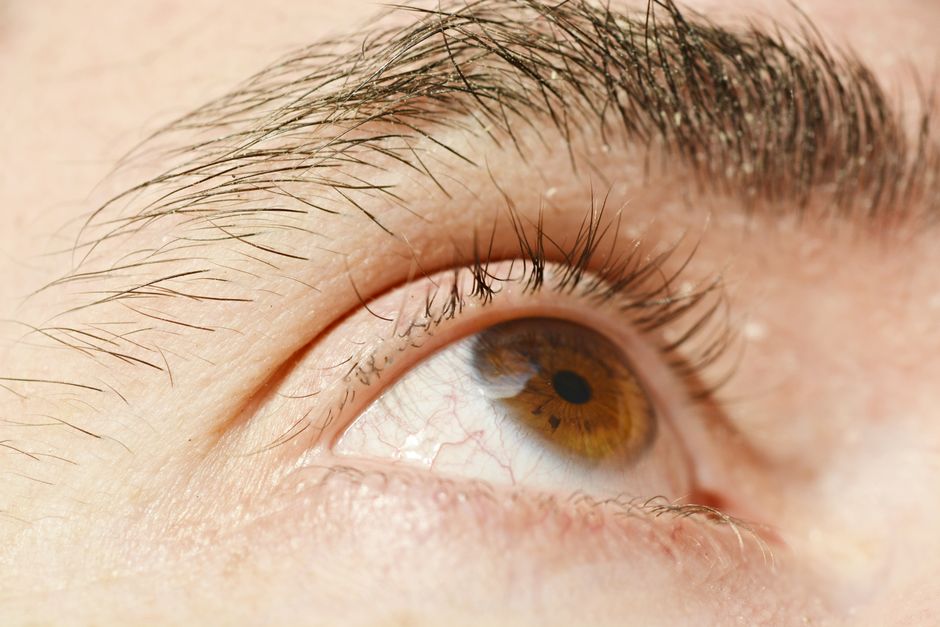
Milia on the lash line are small, firm white bumps that form when flakes of keratin, a protein in skin, get trapped just under the surface. They are not acne and they are not contagious. The safest way to get rid of them is to leave them alone and let them clear on their own, or have a dermatologist remove them with a sterile tool. Trying to squeeze or pop milia at home can damage the thin skin around your eye and cause scarring or infection.
What Are Milia On The Lash Line?
Milia are tiny cysts, usually 1 to 2 millimeters across. They look like white or yellowish beads sitting under a thin layer of skin. On the lash line they can be easy to mistake for a stye or a clogged oil gland.
The key difference is what is inside. A milium is a pocket of keratin. A stye is an infection of an oil gland at the base of an eyelash. The two feel and behave differently, and they need different care.
Milia are common in newborns, but adults get them too. On the eyelid and lash line, the skin is among the thinnest on the body, which is part of why this area is so easy to injure.
What Causes Milia Around The Eyes?
Milia form when keratin gets trapped near the skin’s surface instead of shedding normally. Anything that slows that shedding or blocks the pore can set the stage.
Around the eyes, a few triggers come up often:
- Heavy or occlusive eye creams, especially rich formulas that sit on the skin
- Sunscreen or makeup that is not fully removed at night
- Rubbing or tugging the eyelids
- Skin damage from burns, rashes, or procedures
- Long-term use of topical steroids on the face
- Genetic tendency to form milia
Some people develop milia for no clear reason. In many cases there is no single cause you can point to.
There is also a less obvious point worth knowing. Milia are not caused by poor hygiene. Washing your face more aggressively will not clear them and may irritate the skin around your eyes.
How To Get Rid Of Milia On The Lash Line Safely
The safest approach depends on whether the milia are bothering you. If they are not, the best move is often to wait. Many milia clear on their own over weeks to months, especially in infants.
If you want them gone, a dermatologist can remove them safely. The usual method is a small nick in the skin with a sterile needle or blade, followed by gentle pressure to release the keratin. This is quick and done in a clinic.
For milia that keep coming back, a doctor may suggest a prescription retinoid cream. These creams can help speed up skin cell turnover, but they can also irritate the delicate eyelid skin, so they are used with care and only under medical guidance.
What you should not do:
- Do not squeeze, pick, or scratch milia at home
- Do not use a needle or any sharp tool near your eye
- Do not apply strong acids, peels, or undiluted essential oils to the lash line
- Do not use products meant for acne on the eyelid unless a doctor tells you to
The skin around the eye is thin and has little padding. A small injury there can bleed, get infected, or leave a scar that is far more noticeable than the milium was.


Can You Remove Milia At Home?
Home removal is not recommended, and the risks are real. The lash line sits millimeters from your eye. A slip with any tool can scratch the cornea or introduce bacteria.
Some people try warm compresses. A warm compress may feel soothing, but there is no strong evidence that it clears milia the way it can help a stye. It is unlikely to cause harm if the water is not too hot, but it is not a proven fix.
Gentle cleansing and a light, non-greasy moisturizer are reasonable steps. They will not remove existing milia, but they may help prevent new ones from forming if heavy products are part of the problem.
If a milium becomes red, swollen, painful, or starts to drain, stop home care and see a doctor. Those signs point to infection, not a simple milium.
When Should You See A Doctor?
See a doctor or dermatologist if a bump on your lash line is painful, growing, changing color, bleeding, or affecting your vision. These can be signs of something other than milia.
It is also worth a visit if you have many milia, if they keep returning, or if they bother you enough that you are tempted to remove them yourself. A clinician can confirm what the bumps actually are before treating them.
This matters because several conditions can look like milia on the eyelid. A stye, a chalazion, a small cyst, or other skin growths can appear similar at a glance. A doctor can tell them apart and recommend the right step.
How To Prevent Milia On The Lash Line
Prevention focuses on keeping the skin around the eyes clean and not overloaded with heavy products. If milia keep forming, a few changes may help.
- Remove eye makeup fully every night with a gentle cleanser
- Choose lightweight, non-comedogenic eye products
- Avoid tugging or rubbing the eyelids
- Use sunscreen, but pick a formula that suits the eye area
- Avoid long-term topical steroids on the face unless a doctor prescribes them
None of these steps is guaranteed to stop milia. They lower the chance that trapped keratin and clogged pores become a problem, but some people will still get them.
Are Milia On The Lash Line Dangerous?
Milia themselves are harmless. They are not a sign of cancer, infection, or eye disease. They do not spread to other people.
The main risk comes from trying to remove them. Injury to the eyelid or eye can cause infection, scarring, or damage to the eye surface. That is why the safe path is patience or a professional.
If you are unsure whether a bump is a milium or something else, have it checked. Getting a clear answer is faster and safer than guessing.
Frequently Asked Questions
Do milia on the lash line go away on their own?
Yes, many milia clear on their own over weeks to months without any treatment. If one persists or bothers you, a dermatologist can remove it safely.
Can I pop milia on my eyelid?
No, you should not pop or squeeze milia near your eye. The skin there is thin and close to the eye, so home removal can cause infection, scarring, or eye injury.
What is the fastest safe way to remove milia?
A dermatologist can remove milia in a clinic using a sterile needle to release the trapped keratin. This is quick and far safer than any at-home method.
Are milia the same as styes?
No, milia are small cysts of trapped keratin, while styes are infections of an oil gland at the eyelash base. They look similar but need different care.
