
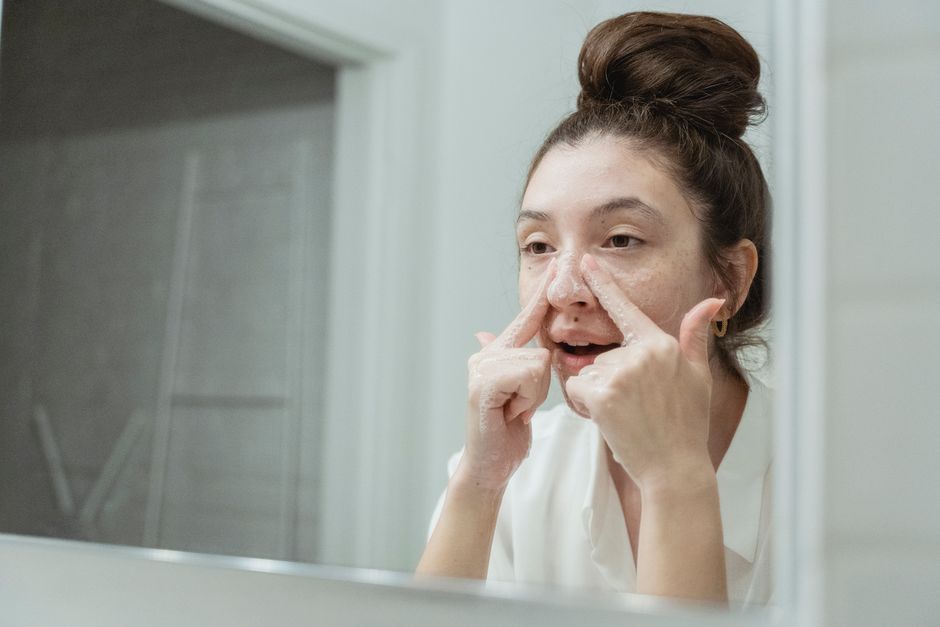
Milia are small, white, dome-shaped bumps that form when keratin becomes trapped just beneath the surface of the skin. They are not pimples and do not contain pus. The most reliable way to get rid of milia on the face is to have a dermatologist extract them with a sterile lancet, a quick in-office procedure. At-home treatments are limited, but daily exfoliation with a chemical exfoliant like salicylic acid may help prevent new ones from forming and can gradually smooth existing bumps over several weeks.
What Exactly Are Milia and Why Do They Form?
Milia are tiny cysts filled with keratin, the same protein that makes up your hair and the outer layer of your skin. They form when dead skin cells do not shed naturally and instead get trapped under the skin’s surface. Each bump is usually 1 to 2 millimeters across — about the size of a pinhead.
There are two main types. Primary milia form directly from trapped keratin and are most common on the faces of infants and adults. Secondary milia develop after trauma to the skin, such as from burns, blistering rashes, laser treatments, or long-term use of heavy topical steroids.
Unlike acne, milia are not caused by bacteria, oil, or clogged pores in the traditional sense. That is why acne treatments like benzoyl peroxide often do not work on them. The keratin plug sits in a tiny pocket just below the outermost skin layer, and the skin must either shed it naturally or have it physically removed.
How To Get Rid Of Milia On Face: What Actually Works
The only definitive way to remove a milium is physical disruption of the cyst wall. Dermatologists do this with a sterile needle or lancet. They make a tiny nick in the skin over the milium and gently press out the keratin core. The procedure takes minutes, leaves minimal marks, and has a high success rate.
Do not attempt this at home. The skin around the eye — a common milia location — is thin and delicate. A slip can cause scarring, infection, or permanent pigment changes. Even on other parts of the face, unsterile tools can introduce bacteria and turn a harmless bump into an infected wound.
Some dermatologists offer alternative removal methods. These include electrocautery, which uses heat to destroy the cyst wall, and cryotherapy, which freezes the milium off. Both are effective but may leave temporary redness that lasts a few days. Laser ablation is another option, though it is typically more expensive and reserved for multiple or stubborn milia.
Over-the-Counter Products: What the Evidence Shows
No over-the-counter cream has been proven in large clinical trials to eliminate existing milia. The keratin core is firm and deeply seated, and topical ingredients generally cannot penetrate the cyst wall to dissolve it. Some research suggests that daily use of chemical exfoliants may gradually thin the overlying skin and allow the milium to surface and shed on its own.
Salicylic acid is the most commonly recommended ingredient. It is a beta-hydroxy acid that is oil-soluble, meaning it can penetrate through sebum and into the outer layers of skin. Products with 0.5% to 2% salicylic acid are widely available as cleansers, toners, and leave-on treatments. Consistent daily use over 4 to 8 weeks may reduce the appearance of milia in some people, but results are not guaranteed.
Glycolic acid, an alpha-hydroxy acid, works on the skin’s surface to dissolve the bonds between dead skin cells. Regular use can improve skin texture and may help prevent milia by keeping the skin shedding normally. Retinoids — both prescription tretinoin and over-the-counter retinol — accelerate cell turnover and are sometimes recommended for milia prevention, though they can cause dryness and irritation when first started.
Physical exfoliants like sugar scrubs or facial brushes are less helpful. They remove surface dead cells but rarely reach the depth where the keratin is trapped. Aggressive scrubbing can inflame the skin and potentially worsen the condition.



Prevention: Stopping Milia Before They Start
Prevention is more achievable than treatment. Since milia form when dead skin cells fail to shed, the goal is to keep the skin’s natural exfoliation process running smoothly. A gentle daily cleanser followed by a chemical exfoliant two to three times per week is a reasonable maintenance routine for most adults.
Sun protection matters. Ultraviolet damage thickens the outer layer of skin over time, which can trap keratin more easily. Daily use of a broad-spectrum sunscreen with SPF 30 or higher helps keep skin thin enough to shed normally. This is especially relevant for people who have had milia before, as sun-damaged skin is more prone to recurrence.
Heavy, occlusive skincare products may contribute to milia formation in some people. Thick creams, ointments, and oil-based makeup can slow the shedding of dead skin cells. If you are prone to milia, look for non-comedogenic products labeled as lightweight or gel-based. This is not a guarantee — some people develop milia regardless of what they use — but it reduces one contributing factor.
Be careful with eye creams. The skin around the eyes is the thinnest on the body and is a common site for milia. Many rich eye creams contain ingredients that can trap keratin. If you develop milia around your eyes, consider simplifying your eye care routine to a single lightweight moisturizer.
Milia in Adults vs. Babies: Different Problems, Different Rules
Milia appear in up to half of all newborns. In babies, they are completely harmless and resolve on their own within a few weeks. The keratin plugs work their way to the surface as the baby’s skin matures. No treatment is needed, and parents should not squeeze or scrub them.
Adult milia are different. They do not typically resolve on their own and can persist for months or years. They are more common in women than men and can appear at any age, though the frequency increases after 40 as skin cell turnover slows. Adults who develop milia often have a family history of the condition, suggesting a genetic component to how their skin sheds.
There is no evidence that diet affects milia. Unlike acne, which has some links to high-glycemic foods and dairy in certain studies, milia have not been connected to any specific food. A healthy diet is always reasonable, but do not expect dietary changes to clear milia.
When to See a Dermatologist
You should see a dermatologist if milia are numerous, persistent, or causing distress. A single milium may clear on its own eventually, but clusters that remain for months are unlikely to resolve without intervention. Dermatologists can remove multiple milia in a single session and will use sterile technique to minimize scarring.
See a dermatologist promptly if a bump changes in appearance, grows, bleeds, or becomes painful. While milia are benign, other skin growths — including basal cell carcinoma in rare cases — can mimic their appearance. Any new or changing bump on the face warrants professional evaluation.
If you are using prescription retinoids for milia, expect a purging period. During the first few weeks, skin may become red, dry, and flaky as cell turnover accelerates. Some milia may temporarily look more prominent before they shed. This is normal and usually settles within 6 to 8 weeks of consistent use.
Frequently Asked Questions
Can I pop milia like a pimple?
No. Milia have no opening to the surface, so squeezing them just damages the surrounding skin and risks scarring or infection. A dermatologist must make a tiny incision to extract the keratin core safely.
How long does it take for milia to go away on their own?
In adults, milia can persist for months or even years without treatment. Some eventually shed as skin naturally renews, but there is no reliable timeline and many never resolve spontaneously.
Does toothpaste or baking soda remove milia?
No. There is no evidence that toothpaste, baking soda, or any home remedy can remove milia. These substances can irritate or burn the skin and may cause more harm than the milia themselves.
Are milia a sign of a health problem?
No. Milia are benign and are not linked to any underlying medical condition in otherwise healthy adults. However, sudden widespread milia after sun exposure can indicate skin damage, and any changing bump should be examined by a doctor.
