
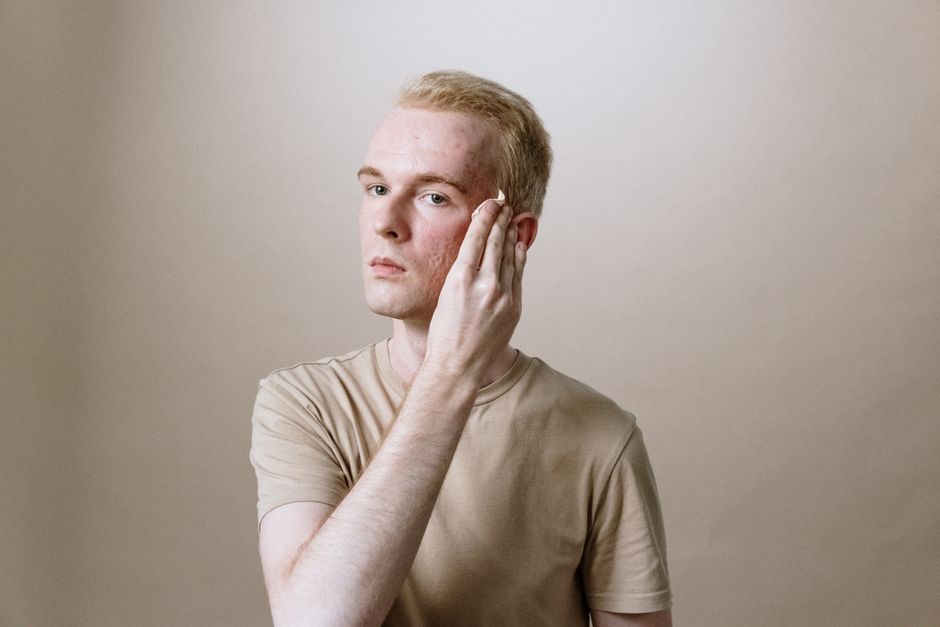
Mild acne is a handful of small pimples, blackheads, or whiteheads that show up mostly on the face, chest, or back. It is not deep, painful cysts, and it does not leave scars if you leave it alone. The core daily plan is simple: wash gently twice a day, use an acne product that contains benzoyl peroxide or salicylic acid, keep your skin moisturized, and stop picking. Consistency over weeks matters more than any single product.
Most mild acne responds to a steady routine within six to eight weeks. That is roughly how long it takes for a skin cell to turn over and for inflammation to quiet down. If you change products every few days looking for faster results, you will not give any of them a fair chance.
What Actually Causes Mild Acne?
Acne starts in the hair follicles, which are tiny canals that hold a hair and connect to a sebaceous gland. That gland makes oil, called sebum. In acne-prone skin, several things happen together.
Dead skin cells shed faster than usual and stick together inside the follicle. Sebum production rises. Bacteria that normally live on the skin, mainly Cutibacterium acnes, multiply in the blocked pore. The immune system responds with inflammation, which is what turns a blocked pore into a red, tender bump.
Hormones drive much of this. Androgens increase sebum production, which is why acne often flares around puberty, before menstrual periods, and during times of hormonal change. This is well established.
What does not cause acne, despite persistent belief: chocolate, greasy foods, and dirty skin. Some research suggests high-glycemic diets and dairy may influence acne in some people, but the evidence is mixed and not strong enough to make firm dietary recommendations. The link between stress and acne is plausible and often reported by patients, though hard to measure in studies.
How To Get Rid Of Mild Acne A Simple Daily Plan
A workable routine has four steps you repeat every day, morning and night. Nothing in it is expensive or complicated.
Step 1: Wash gently. Use a mild, non-abrasive cleanser. Wash your face twice a day and after heavy sweating. Use lukewarm water, not hot. Scrubbing harder does not clean deeper and can irritate skin, which makes redness worse. Skip grainy scrubs and cleansing brushes on active pimples.
Step 2: Use one acne active. Over-the-counter options with the best supporting evidence are benzoyl peroxide and salicylic acid. Benzoyl peroxide kills acne bacteria and helps unblock pores. Salicylic acid helps shed dead skin cells. Pick one to start. Using several strong products at once irritates skin and rarely speeds things up.
Start with a lower strength and apply it to the whole acne-prone area, not just the spots you see today. Acne treatment works by preventing new blockages, so spot-treating alone tends to disappoint.
Step 3: Moisturize. Acne products dry the skin. A light, oil-free moisturizer keeps the skin barrier intact and makes it easier to keep using your treatment. Dry, cracked skin is more irritated and looks worse, not better.
Step 4: Protect from sun. Some acne treatments make skin more sensitive to sunlight. A non-comedogenic sunscreen helps prevent dark marks from worsening. Dark spots left after a pimple fades are called post-inflammatory hyperpigmentation, and sun exposure makes them darker and slower to fade.
Give the routine six to eight weeks before judging it. Mild acne often looks slightly worse before it improves, especially in the first few weeks of benzoyl peroxide use.
What Should You Not Do to Your Skin?
Picking and popping pimples is the single most reliable way to make mild acne worse. Squeezing pushes bacteria and inflammation deeper, increases the chance of scarring, and turns a small spot into a red mark that can last months.
A few other habits work against you:
- Over-washing. More than twice a day strips the skin and triggers irritation.
- Layering multiple strong actives at once, such as benzoyl peroxide plus a retinoid plus an acid.
- Using alcohol-based toners and astringents, which dry skin without treating the cause.
- Switching products every week before any of them has time to work.
- Sharing towels, pillowcases, or makeup brushes without washing them regularly.
One clarification worth knowing: acne is not caused by poor hygiene. People with acne wash their faces as often as anyone else. The problem is inside the follicle, not on the surface.
When Should You See a Doctor About Acne?
See a doctor or dermatologist if acne is painful, forms deep lumps or cysts, or starts leaving scars or dark marks that bother you. Mild acne that does not improve after about two to three months of consistent over-the-counter treatment is also a reasonable reason to get help.
Prescription options exist and are more effective for moderate to severe acne. These include topical retinoids, which are among the most effective topical treatments and help prevent new blockages, and in some cases oral antibiotics or hormonal treatments for women. A doctor can match treatment to your skin and history.
Seek care sooner if acne appears suddenly with other symptoms, such as excess hair growth, irregular periods, or deepening of the voice, since these can point to a hormonal condition that needs evaluation.
Does Diet or Lifestyle Affect Mild Acne?
The evidence on diet and acne is real but modest. Some studies suggest that high-glycemic diets, meaning diets heavy in refined sugars and white starches, may worsen acne in some people. Some research also points to dairy, particularly skim milk, as a possible contributor. Neither link is strong enough for a firm recommendation, and results vary between studies.
If you want to test a dietary change, do it one variable at a time and give it several weeks. Do not expect diet alone to clear acne.
Sleep, stress management, and not smoking support general skin health, but no strong evidence shows they cure acne. The most reliable levers remain consistent gentle cleansing, one proven active ingredient, and not picking.
How Long Until Mild Acne Improves?
Expect visible improvement in six to eight weeks with a consistent routine. Some people notice less oiliness or fewer new spots sooner, but the deeper changes in the follicle take longer. Full clearing can take three months or more.
If you see no change at all after two to three months of steady use, that is a signal to try a different active or see a clinician. If your skin becomes very dry, red, or stinging, scale back how often you use the active rather than abandoning the routine entirely.
Frequently Asked Questions
How often should I wash my face if I have mild acne?
Twice a day, morning and night, plus after heavy sweating. Washing more often can irritate skin and does not clear acne faster.
Does toothpaste get rid of pimples?
No. Toothpaste is not an acne treatment and can irritate or burn the skin. Use a product made for acne instead.
Is benzoyl peroxide or salicylic acid better for mild acne?
Both have supporting evidence, and either is a reasonable first choice. Benzoyl peroxide targets acne bacteria, while salicylic acid helps unclog pores, so some people do better with one than the other.
Can I wear makeup with mild acne?
Yes. Choose products labeled non-comedogenic, which are less likely to block pores, and wash your face gently at the end of the day.
