
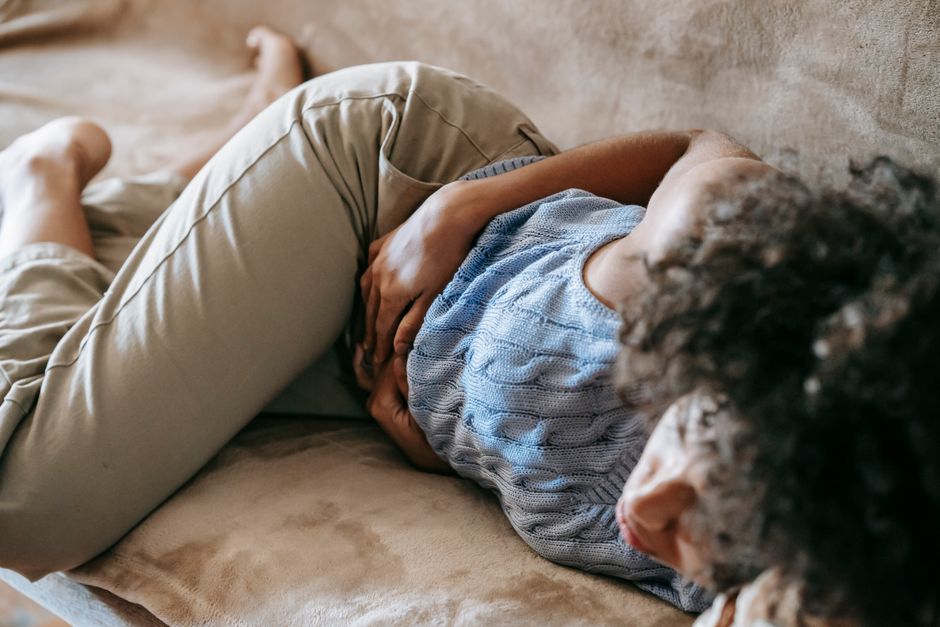
Menstrual cramps happen when the uterus contracts to shed its lining, and the muscle tightening briefly cuts off its own blood supply. That oxygen shortage is what you feel as pain. The fastest at-home relief comes from heat, an anti-inflammatory pain reliever, and gentle movement. Heat works in about the same time it takes a heating pad to warm up, and ibuprofen-type medications can start easing cramps within 30 to 60 minutes when taken early.
What Actually Causes Period Cramps?
The pain has a clear physical cause. During your period, the uterus releases hormone-like compounds called prostaglandins. These make the uterine muscle contract to help shed the lining.
Strong contractions squeeze the blood vessels in the uterus. When blood flow drops, tissue gets less oxygen, and that triggers pain. Higher prostaglandin levels generally mean stronger contractions and more cramping. This is why the first day or two of a period is often the worst — prostaglandin levels peak as the lining breaks down.
This type of cramping is called primary dysmenorrhea. It is not a sign that something is wrong. It is a normal response to a normal process that just happens to hurt.
A different pattern points to something else. If cramps started later in life, keep getting worse, last longer than the period itself, or come with heavy bleeding or pain during sex, that can signal a condition such as endometriosis or fibroids. That pattern deserves a doctor’s evaluation rather than home treatment alone.
Does Heat Really Work For Menstrual Cramps?
Heat is one of the best-supported home remedies for period pain. It relaxes the uterine muscle and improves blood flow to the area, which directly addresses the oxygen shortage causing the pain.
Studies comparing continuous low-level heat against placebo have found real pain reduction in many women. In some research, heat patches performed about as well as over-the-counter pain relievers for mild to moderate cramps. That is a strong result for something with no drug side effects.
How to use it well:
- A heating pad or hot water bottle on the lower belly for 20 to 30 minutes at a time
- A warm bath or shower, which covers a larger area at once
- Heat patches you can wear under clothing if you need relief while moving around
One caution that matters: never fall asleep with an electric heating pad on bare skin. Prolonged direct heat can burn even at moderate settings. Use a barrier like a towel, and set a timer if you might doze off.
Which Pain Relievers Work Fastest?
Nonsteroidal anti-inflammatory drugs, or NSAIDs, are the first-line medication for period cramps. Ibuprofen and naproxen are the common ones. They work by blocking the same prostaglandins that drive the contractions, so they treat the cause rather than just dulling the signal.
Timing matters more than most people realize. NSAIDs work best when taken at the first sign of cramps or bleeding, before prostaglandin levels climb. Waiting until the pain is severe means the drug has more ground to cover.
Acetaminophen can ease pain too, but it does not reduce prostaglandins the same way, so it may not target the cramping itself as directly.
Follow the dosing on the package or what your clinician recommends. NSAIDs are not right for everyone. If you have stomach ulcers, kidney problems, or take blood thinners, talk to a doctor first. Do not combine multiple NSAIDs, and do not take them on an empty stomach if you can avoid it.
Do Natural Remedies And Supplements Help?
A few non-drug options have some research behind them. The evidence is not as strong as it is for heat or NSAIDs, but it is not empty either.
Omega-3 fatty acids. Some studies suggest fish oil may reduce period pain, possibly by shifting the balance of prostaglandins. Results vary, and doses used in research are higher than what most people get from food alone.
Magnesium. Some trials indicate magnesium may ease cramps, and it plays a role in muscle relaxation. The evidence is mixed. If you try it, stay within the amounts listed on supplement labels unless a clinician advises otherwise.
Vitamin B1 and vitamin E. A small number of studies have looked at these, with some positive results. The research is limited, so treat them as possibilities rather than proven fixes.
Ginger. A few small studies suggest ginger may reduce period pain. The evidence is early and the studies are small.
Be careful with herbal products. Supplements are not tightly regulated in the US, so what is on the label is not always what is in the bottle. If you take any medication, check with a pharmacist before adding a supplement.
Can Movement And Relaxation Ease The Pain?
Gentle movement helps many people, though the research on exercise for cramps is not as strong as the research on heat. Light activity increases blood flow and triggers the release of endorphins, the body’s own pain-relieving chemicals.
What tends to help:
- Walking, which is easy to start and easy to stop if it does not help
- Gentle stretching, especially knees-to-chest and low back stretches
- Yoga poses that open the hips and lower back
- Slow breathing or a short meditation, which can lower the stress response that makes pain feel sharper
This is not the moment for intense training if you feel awful. The goal is easy movement that increases circulation, not a workout. If movement makes the pain worse, stop and go back to heat.
What About Position And Sleep?
How you lie down can take pressure off the lower back and belly. Sleeping on your side with your knees bent toward your chest is a common position that eases tension in the lower abdomen. Placing a pillow between your knees can help too.
Lying on your back with your knees propped up on a pillow is another option. Both positions reduce the pull on the muscles around the uterus and lower back.
Getting enough sleep is easy to overlook. Poor sleep lowers pain tolerance, so a night of bad rest can make the same cramps feel worse the next day. If cramps wake you, treat the pain before trying to sleep again rather than lying there waiting for it to pass.
When Should You See A Doctor?
Home care handles most period cramps. But some patterns need medical attention.
See a doctor if:
- Cramps are severe enough to disrupt work, school, or sleep every month
- Pain is getting worse over time rather than staying steady
- Bleeding is very heavy, or you pass large clots
- You have pain during sex, or pain that lasts beyond your period
- Over-the-counter pain relievers no longer help
- Cramps started for the first time after age 25
These signs can point to conditions like endometriosis, fibroids, or adenomyosis. These are treatable, and getting a diagnosis opens up options beyond what you can do at home. Some clinicians also recommend hormonal birth control to reduce period pain, because it can lower prostaglandin production. That is a prescription decision to make with a doctor.
What Does Not Work, Despite What You Have Heard?
Some popular advice has little to no evidence behind it.
There is no research confirming that avoiding cold drinks or cold foods makes cramps worse. That idea is common in some cultures but is not supported by clinical evidence.
Essential oils applied to the skin have not been shown in solid trials to relieve period cramps. They may feel soothing, but that is different from reducing pain.
Detox teas and cleanses do not treat cramps. The uterus is not holding toxins that a tea can flush out. That framing is marketing, not physiology.
Apple cider vinegar has no clinical evidence supporting it for menstrual pain. Claims about it are not backed by human trials.
The honest takeaway: heat, NSAIDs taken early, light movement, and rest cover most of what actually helps. Everything else is optional at best.
Frequently Asked Questions
How do you get rid of period cramps fast at home?
Apply heat to your lower belly and take an NSAID like ibuprofen at the first sign of cramps. Heat works within minutes, and the medication can start easing pain within 30 to 60 minutes when taken early.
Is a heating pad or a hot bath better for cramps?
Both work well, and the choice comes down to convenience. A heating pad targets the lower belly directly, while a warm bath covers a wider area and adds relaxation.
How long do menstrual cramps usually last?
Cramps most often last one to three days, starting around the first day of bleeding when prostaglandin levels are highest. Pain that lasts well beyond your period or keeps getting worse should be checked by a doctor.
Can you take ibuprofen on an empty stomach for cramps?
It is better to take it with food or milk to lower the chance of stomach upset. If you have ulcers, kidney problems, or take blood thinners, check with a doctor before using NSAIDs.
