
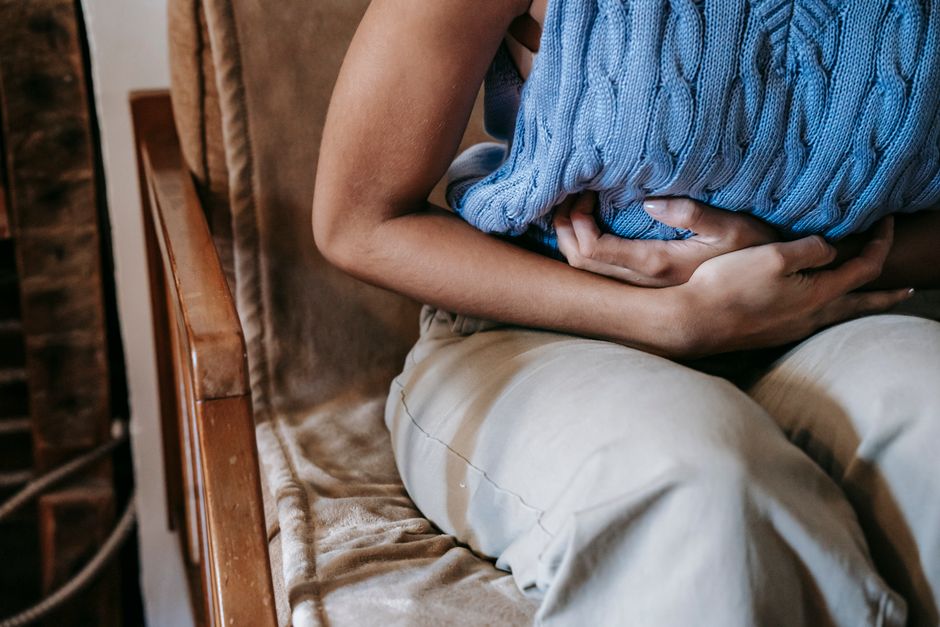
You can’t spot-reduce belly fat, and menopause is no exception. The most effective approach combines strength training, adequate protein, better sleep, and managing stress — because the “menopause stomach” is driven by hormonal shifts, muscle loss, and where your body stores fat, not by eating the wrong foods. No cream, tea, or waist trainer changes that biology.
What Actually Causes Menopause Stomach?
Menopause does not create belly fat out of nowhere. It changes where your body puts the fat you already have, and it does this through several overlapping mechanisms.
The first is estrogen. Before menopause, estrogen tends to promote fat storage in the hips and thighs — what clinicians call a gynoid pattern. As estrogen levels fall during perimenopause and menopause, fat storage shifts toward the abdomen. This is a well-documented change in body fat distribution, not a matter of willpower.
The second is muscle loss. Adults lose muscle mass with age, and the drop in estrogen appears to accelerate it. Muscle burns more calories at rest than fat does, so losing muscle lowers your resting energy expenditure. Eat the same amount and move the same amount, and you can still gain fat — because your body now needs fewer calories to run.
The third is sleep. Hot flashes and night sweats fragment sleep, and poor sleep is linked to higher levels of cortisol and changes in appetite-regulating hormones. People who sleep poorly tend to eat more and crave more refined carbohydrates.
The fourth is cortisol itself. Chronic stress raises cortisol, and elevated cortisol is associated with increased abdominal fat storage. Menopause often arrives alongside other stressors — aging parents, career pressure, children leaving home — which compounds the effect.
One clarification worth making: “menopause stomach” is not a medical diagnosis. It is a colloquial term for a real pattern of increased visceral and subcutaneous abdominal fat that many women notice during the menopausal transition. The visceral fat — the fat around your organs — is the type most associated with cardiovascular and metabolic risk.
Does Diet Alone Get Rid of Menopause Stomach?
Diet alone rarely produces the result most women are looking for. It can reduce overall body fat, but without resistance training, a significant portion of the weight lost tends to be muscle — which makes the underlying problem worse over time.
That said, diet still matters. Two things are well established. First, a modest calorie deficit is required to lose fat; you cannot out-train a surplus. Second, protein intake becomes more important with age because it helps preserve muscle while you lose fat.
General guidance for older adults suggests higher protein intake than the standard minimum, though specific gram-per-pound recommendations vary by source and individual health status. If you have kidney disease, protein needs are different, and you should follow your doctor’s guidance rather than general recommendations.
What does not have strong evidence behind it: detox teas, “hormone-balancing” supplements, apple cider vinegar for belly fat, and specific food combinations claimed to target abdominal fat. No well-designed human trials have confirmed that any of these reduce visceral fat in menopausal women.
Why Strength Training Matters More Than Cardio for This
Resistance training is the single most reliable way to counteract the muscle loss that drives much of the metabolic slowdown behind menopause stomach. Cardio burns calories during the session. Strength training builds tissue that burns calories around the clock.
This is not a claim that cardio is useless. It is a claim about priorities. If you have limited time, the evidence favors spending it on resistance training two to three times per week and treating cardio as a supplement, not the main event.
What resistance training looks like in practice:
- Two to three sessions per week, targeting all major muscle groups
- Progressive overload — gradually increasing weight, reps, or difficulty over time
- Compound movements such as squats, deadlifts, rows, and presses when appropriate
- Bodyweight variations if you do not have equipment or gym access
If you are new to strength training, starting with a qualified trainer or physical therapist is worth the investment. Technique matters, especially after 50, when injury recovery takes longer.





Does Hormone Therapy Help With Menopause Stomach?
Hormone therapy can reduce hot flashes, night sweats, and other symptoms that interfere with sleep and activity. Whether it directly reduces abdominal fat is a separate question, and the evidence there is mixed.
Some studies have found that women using hormone therapy gain less visceral fat during the menopausal transition than women who do not. Other studies have not shown a clear effect. The research is not consistent enough to present hormone therapy as a fat-loss treatment.
Hormone therapy also carries real risks for some women, including increased risk of certain cancers and cardiovascular events depending on the type, dose, timing, and individual health history. It is a medical decision to make with a clinician, not a cosmetic one.
The honest position: hormone therapy may help indirectly by improving sleep and reducing symptoms that make exercise harder. It is not a proven solution for belly fat on its own.
What About Sleep, Stress, and Alcohol?
These three factors are often treated as afterthoughts. In practice, they can make or break your results.
Sleep is the most overlooked. Short sleep raises appetite and shifts food preferences toward sugar and refined carbs. If you are waking multiple times a night from hot flashes, that is a medical problem worth addressing — not something to push through.
Chronic stress raises cortisol, and elevated cortisol is associated with abdominal fat storage. This does not mean stress alone causes menopause stomach, but it makes everything else harder. Exercise, therapy, and time in nature all have evidence behind them for stress reduction.
Alcohol is worth mentioning specifically. It disrupts sleep architecture, adds empty calories, and is associated with increased abdominal fat in observational studies. Reducing or eliminating alcohol is one of the highest-yield changes many women can make — and it is often the one they resist most.
What Actually Works: A Realistic Approach
No single intervention gets rid of menopause stomach. The approach that works combines several changes, sustained over months, not weeks.
The core elements with the strongest evidence:
- Resistance training two to three times per week
- Adequate protein intake to preserve muscle
- A modest calorie deficit if weight loss is the goal
- Sleep quality — treat sleep problems as medical issues, not inconveniences
- Stress management with real strategies, not just “relax more”
- Reducing or eliminating alcohol
What to expect: fat loss from the abdomen happens, but it happens slowly and it happens everywhere at once. Spot reduction is not possible. You cannot target belly fat with specific exercises, and anyone who tells you otherwise is selling something.
Timelines vary widely based on starting point, consistency, and genetics. Some women notice changes in a few months. Others take longer. The changes that stick are the ones you can maintain.
One more point: visceral fat responds to exercise and diet changes even when the scale does not move much. Waist circumference and how clothes fit can change before weight changes. That is a meaningful signal, not a consolation prize.
Frequently Asked Questions
Can you get rid of menopause stomach without exercise?
Diet changes alone can reduce overall body fat, but without resistance training, much of the weight lost tends to be muscle. This worsens the underlying metabolic slowdown and often makes the problem harder to manage long-term.
How long does it take to see results?
Timelines vary widely depending on starting point, consistency, and genetics. Some women notice changes in waist circumference within a few months of consistent strength training and dietary changes; others take longer.
Do menopause supplements help with belly fat?
No well-designed human trials have confirmed that over-the-counter “menopause” or “hormone-balancing” supplements reduce abdominal fat. The evidence for these products is limited or absent.
Is walking enough to reduce menopause stomach?
Walking supports cardiovascular health and helps with overall energy expenditure, but it does not build muscle the way resistance training does. For menopause stomach specifically, strength training is the higher-priority activity.
