
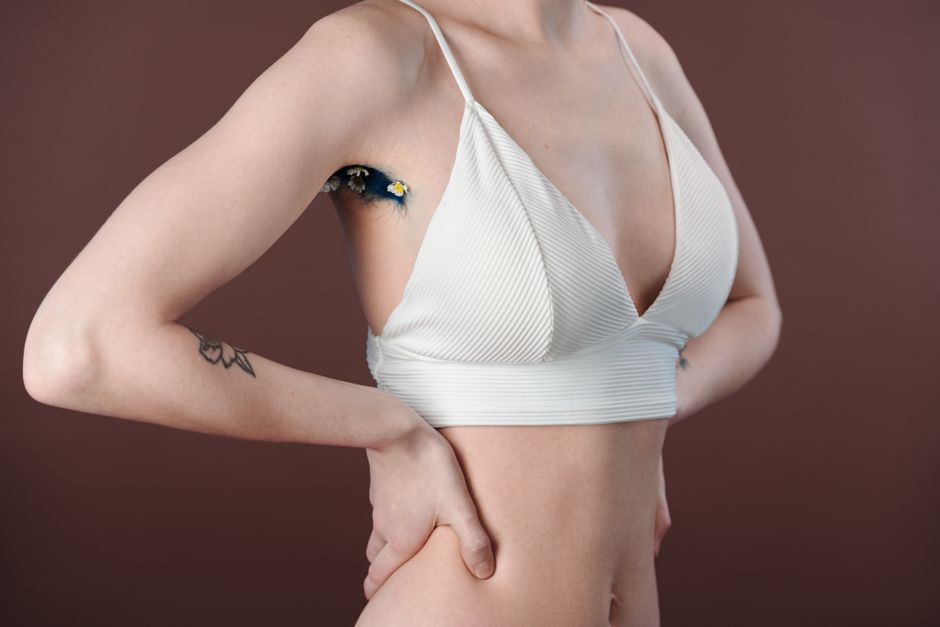
A lump under your armpit while breastfeeding is most often a clogged milk duct in breast tissue that extends into the armpit. The fastest way to address it is to continue feeding or pumping frequently, apply gentle heat before feeding, and use light massage toward the nipple. In most cases, the lump will soften and disappear within 24 to 48 hours of consistent drainage.
What Causes a Lump Under the Armpit While Breastfeeding?
Breast tissue is not a perfect circle. It extends upward toward the collarbone and outward into the armpit. This area is called the axillary tail of Spence. Some women have enough glandular tissue there that it responds to breastfeeding hormones just like the rest of the breast.
When milk is not fully removed from that area, it can back up and form a hard, tender lump. The medical term for this is a plugged or clogged duct. It is not an infection. It is simply milk that has thickened and blocked the narrow duct passage.
Other causes are possible but less common. A swollen lymph node in the armpit can feel like a lump, especially if you are fighting off a cold or have an infection elsewhere. A breast cyst or a benign growth called a fibroadenoma can also be present. However, in a breastfeeding mother, a tender lump that appears suddenly is most likely a clogged duct.
How To Get Rid Of Lump Under Armpit From Breastfeeding
The single most effective treatment is frequent and effective milk removal. Emptying the breast signals the body to keep milk flowing and reduces pressure inside the duct. Do not skip feedings on the affected side. A fuller breast only makes the clog worse.
Start each feeding on the side with the lump. The baby’s suck is strongest at the beginning of a feed, which gives you the best chance of pulling the clog through. If your baby does not drain the breast well, use a pump after nursing to finish the job.
Positioning matters. Try a position where the baby’s chin points toward the armpit lump. The chin applies the most pressure during sucking, and that directed pressure can help dislodge the plug. For an armpit lump, the football hold or a side-lying position with the baby angled toward the lump often works well.
Heat, Massage, and Other Home Care Steps
Apply a warm compress or take a warm shower just before feeding. Heat increases blood flow and helps milk move more easily through the duct. Keep the compress on for 5 to 10 minutes. Do not use heat for longer than that, as prolonged heat can increase inflammation.
During the feeding, gently massage the lump. Use your fingertips in a circular motion or stroke from the lump toward the nipple. The pressure should be light. Firm, aggressive massage can bruise the tissue and make swelling worse.
After feeding, apply a cold pack to the area for 10 to 15 minutes. Cold reduces inflammation and can ease the pain. Some lactation specialists recommend cold over heat in the early phase because inflammation is often part of the problem.
Over-the-counter pain relievers such as ibuprofen can help reduce both pain and inflammation. Check with your doctor or pharmacist about what is safe while nursing. Ibuprofen is generally considered compatible with breastfeeding when taken at the recommended dose.
Wear a supportive bra that is not too tight. An underwire that presses into the armpit can contribute to duct blockage. A loose, comfortable nursing bra or a soft cotton camisole is a better choice until the lump resolves.




When To See a Doctor
Most clogged ducts resolve within 48 hours of consistent treatment. If the lump does not improve after two to three days, or if it gets larger and more painful, contact your healthcare provider.
Seek medical attention sooner if you develop a fever of 100.4°F (38°C) or higher, if the breast or armpit becomes red and hot to the touch, or if you feel flu-like symptoms such as chills and body aches. These signs may indicate mastitis, an infection of the breast tissue that requires antibiotics.
Mastitis is not something to wait out. Untreated mastitis can develop into an abscess, which is a pocket of pus that may need to be drained. Antibiotics are safe to take while breastfeeding, and continuing to nurse through mastitis is recommended. Stopping feeding suddenly can make the infection worse.
Can You Keep Breastfeeding With an Armpit Lump?
Yes. Continuing to breastfeed is the right approach. Breast milk is safe for your baby even when you have a clogged duct or mastitis. The milk itself is not infected. The infection, when present, is in the breast tissue around the milk ducts.
Sudden weaning is one of the most common causes of severe clogged ducts and mastitis. When milk is not removed, pressure builds, and the risk of infection rises. Keep feeding on schedule. If the pain makes nursing difficult, start on the unaffected side to trigger the let-down reflex, then switch to the affected side.
What If the Lump Is Not a Clogged Duct?
Not every lump during breastfeeding is milk-related. A hard, painless lump that does not change with feeding deserves attention. A lump that persists after you have fully weaned also needs evaluation.
Swollen lymph nodes can feel like small, firm peas under the skin. They may be tender if your body is fighting an infection. Lymph nodes usually shrink back to normal size within a week or two after the infection clears.
A galactocele is a milk-filled cyst that can form when a duct remains blocked. It feels like a firm, smooth lump and may persist even after feeding. Galactoceles often resolve on their own but can sometimes require aspiration by a doctor.
Breast cancer during lactation is rare but possible. A lump that is hard, fixed to the skin or chest wall, or growing steadily is a red flag. If your healthcare provider has any doubt, imaging such as an ultrasound can provide clarity. Ultrasound is safe during breastfeeding and can often distinguish between a fluid-filled cyst and a solid mass.
How To Prevent Armpit Lumps From Coming Back
Prevention focuses on keeping milk moving freely. Feed on demand rather than on a rigid schedule. Avoid going long stretches without draining the breasts, especially at night when milk production is highest.
Do not press your fingers into the armpit area while holding the breast during feeding. This can compress the ducts and create a blockage. Use a relaxed hold that does not indent the tissue.
Stay hydrated. Dehydration can thicken breast milk and make it more likely to clog. Drink water when you are thirsty, and pay attention to your urine color. Pale yellow is a good sign of adequate hydration.
Vary your nursing positions throughout the day. Different positions drain different sections of the breast. If you always nurse in the same position, the same ducts may repeatedly go undrained.
Frequently Asked Questions
How long does an armpit lump last while breastfeeding?
A clogged duct usually resolves within 24 to 48 hours of frequent feeding and home care. If it lasts longer than three days or worsens, see a doctor.
Can a clogged duct turn into mastitis?
Yes. If a clogged duct is not cleared, the trapped milk can cause inflammation that leads to infection. Fever, chills, and red streaks on the breast are signs of mastitis.
Should I stop breastfeeding on the side with the lump?
No. Continuing to nurse on the affected side is the best way to clear the blockage. Stopping can make the clog worse and increase the risk of infection.
Is a hard lump under the armpit normal during breastfeeding?
A tender lump that appears suddenly and changes with feeding is often a clogged duct and is common. A hard, painless lump that does not change with feeding is not normal and should be evaluated by a doctor.
