
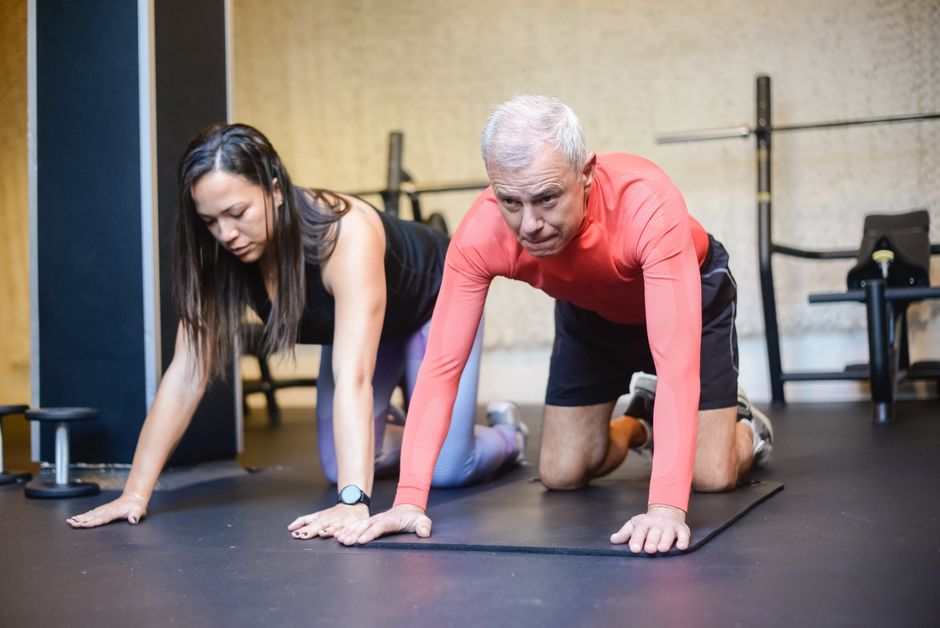
Joint pain after exercise is usually a sign that the load was a bit more than the joint and surrounding tissues were ready for, not a sign that something is permanently wrong. In most cases it settles with a few days of relative rest, a temporary reduction in training intensity, and simple measures like ice or heat. The key is knowing which pain is normal post-exercise soreness and which pain needs a doctor’s attention.
Most exercise-related joint pain improves within a few days. Pain that lasts longer, comes with swelling, or locks or gives way needs medical assessment.
Why do my joints hurt after exercise?
Joints are built to handle load. Cartilage, ligaments, tendons, and the joint capsule all respond to the forces placed on them. When those forces exceed what the tissues are conditioned for, the result is irritation and inflammation — not damage in the way a fracture is damage.
The most common cause is doing more than the tissues are used to. A longer run, a heavier lift, a new activity, or a sudden jump in training volume can all produce joint pain even in people who are generally fit. The joint itself is often not the problem. The muscles, tendons, and connective tissue around it are usually where the irritation begins.
There is an important distinction between muscle soreness and joint pain. Delayed onset muscle soreness — the achiness that peaks a day or two after exercise — affects muscle tissue. Joint pain feels different. It is located at the joint line, it may come with stiffness, and it often worsens with certain movements rather than with general use.
Other contributors include:
- Poor movement mechanics that place uneven stress on a joint
- Sudden increases in training volume or intensity
- Insufficient recovery between sessions
- Underlying joint conditions such as osteoarthritis, which can make joints more sensitive to load
- Footwear or surface changes that alter how force travels through the leg
How can I get rid of joint pain after exercise?
The first step is relative rest — reducing the load on the joint without stopping all activity. Complete rest is rarely necessary and can slow recovery by deconditioning the tissues. Swimming, cycling, or walking on flat ground often allow the joint to recover while maintaining some movement.
Ice and heat both have a role, though the evidence for either as a treatment is modest. Ice is commonly used in the first day or two after an acute flare to reduce pain and swelling. Heat is often preferred for stiffness and for chronic joint pain. Neither treats the underlying cause, but both can make the joint feel better while it settles.
Over-the-counter pain relievers such as ibuprofen or acetaminophen are widely used for short-term relief. They reduce pain but do not speed healing. Anyone with stomach problems, kidney disease, heart conditions, or who takes other medications should check with a pharmacist or doctor before using them regularly.
Gentle range-of-motion exercise helps maintain joint function. Moving the joint through its comfortable range several times a day keeps it from stiffening. This is different from loading it heavily — the goal is movement, not challenge.
Most exercise-related joint pain improves within a few days to a couple of weeks with these measures. Pain that does not follow this pattern needs a closer look.
When should I see a doctor for joint pain after exercise?
Some joint pain needs medical assessment rather than home management. Seek medical attention if:
- The joint is significantly swollen, hot, or red
- You cannot bear weight on the joint or use it normally
- The joint locks, catches, or gives way
- Pain is severe or continues to worsen despite rest
- You have a fever alongside joint pain
- Pain has not improved after a couple of weeks of reduced activity
These signs can point to injuries or conditions that need proper diagnosis — ligament tears, cartilage damage, infection, or inflammatory arthritis among them. A single symptom does not confirm any of these, and only a clinician can tell them apart.
Joint pain with fever, or a joint that becomes rapidly hot and swollen, needs urgent assessment. Infection in a joint is uncommon but serious, and it is not something to watch at home.




How do I prevent joint pain after exercise?
Progressive loading is the single most effective prevention strategy. Tissues adapt to gradual increases in demand. They do not adapt well to sudden jumps. Increasing training volume or intensity by small amounts over weeks rather than days gives joints and surrounding tissues time to adjust.
Strength training around the joint matters. Stronger muscles support the joint and absorb force that would otherwise pass through it. This is well established for the knee in particular — quadriceps strength is consistently associated with better knee function and lower pain in people with knee osteoarthritis.
Warm-up has modest evidence for injury prevention on its own, but it does help prepare muscles and joints for activity. A few minutes of light movement before training is reasonable and low-risk.
Recovery is part of training, not separate from it. Sleep, adequate protein intake, and at least one easier day between hard sessions on the same joint give tissues time to repair. Skipping recovery is one of the most common reasons joint pain keeps returning.
Footwear and training surface also matter for the lower body. A sudden switch to a harder surface or a different shoe can change the forces reaching the knee, hip, and ankle.
Does exercise make joint pain worse or better?
For most people, appropriate exercise improves joint pain rather than worsening it. This is well established for osteoarthritis. Land-based exercise is recommended in clinical guidelines for hip and knee osteoarthritis because it reduces pain and improves function.
The qualification is the word “appropriate.” Exercise that is too much, too soon, or poorly progressed can flare a joint. Exercise that is dosed to the person’s current capacity generally helps. The same activity can be helpful at one dose and irritating at another.
This is why complete rest is usually the wrong long-term answer. It reduces pain temporarily but allows the muscles around the joint to weaken, which can make the joint less supported when activity resumes. Relative rest — reducing load while keeping the joint moving — is the better approach.
Do supplements help joint pain after exercise?
The evidence for most joint supplements is weak. Glucosamine and chondroitin have been studied extensively for osteoarthritis, and the results are mixed. Some trials show modest benefit, others show none, and the overall picture does not support strong claims. The largest and better-designed trials have generally not found meaningful benefit over placebo.
Turmeric and curcumin have some supporting evidence for osteoarthritis pain, but the studies are smaller and the quality varies. Fish oil has been studied for inflammatory joint conditions with mixed results. None of these is a substitute for load management and strength training, which have stronger evidence behind them.
No supplement has been shown to prevent exercise-related joint pain in people without an underlying joint condition. Marketing claims in this space regularly outrun the evidence. If you choose to try a supplement, treat it as optional and low-priority compared with training adjustments.
How long does joint pain after exercise usually last?
Most exercise-related joint pain settles within a few days to a couple of weeks once the load is reduced. Mild irritation often improves noticeably within 48 to 72 hours. More significant flares can take longer.
The pattern matters more than the exact timeline. Pain that is improving steadily, even slowly, is following a normal course. Pain that is unchanged or worsening despite reduced activity is not, and it warrants assessment. So does pain that keeps returning every time you return to the same activity — that pattern usually means the load or the movement needs to change, not just the recovery time.
Frequently Asked Questions
Should I stop exercising completely if my joints hurt?
Usually no. Relative rest — reducing load while keeping the joint moving — is generally better than complete rest. Stopping all activity can weaken the muscles that support the joint.
Is it normal for joints to hurt after every workout?
No. Persistent joint pain after every session usually means the training load, technique, or recovery needs adjusting. It is not something to push through repeatedly.
Does ice or heat work better for joint pain after exercise?
Ice is commonly used right after exercise to reduce pain and swelling, and heat is often preferred for stiffness. Evidence for both is modest, so use whichever gives you relief.
Can I exercise with osteoarthritis?
Yes. Exercise is recommended in clinical guidelines for hip and knee osteoarthritis because it reduces pain and improves function. The key is choosing appropriate activity and progressing gradually.
