
Ingrown pubic hairs are common, uncomfortable, and often itchy or painful. They happen when a hair curls back and grows into the skin instead of up and out. You can treat most ingrown hairs at home with simple steps like warm compresses and gentle exfoliation. The key is to stop picking and let the skin heal while removing the trapped hair safely.
What Causes Ingrown Pubic Hairs?
Ingrown hairs form after hair removal. When you shave, wax, or pluck, the hair can grow back with a sharp tip. That tip pierces the skin instead of rising above it. The body then treats the hair like a foreign object, which causes redness, swelling, and sometimes infection.
The pubic area is especially prone to this problem. The hair there is coarser and curlier than hair on your head. Curly hair naturally bends back toward the skin as it grows. Tight clothing and friction from underwear can also push hairs back into the skin.
Shaving against the direction of hair growth increases the risk. So does shaving dry skin or using a dull blade. Waxing can break hairs below the skin surface, which also leads to ingrown hairs.
How To Get Rid Of Ingrown Pubic Hairs Fast
If you already have an ingrown hair, the goal is to free the trapped hair and calm the skin. Most ingrown hairs resolve on their own within one to two weeks. You can speed that up with a few simple steps.
Apply a warm compress for 10 to 15 minutes several times a day. The warmth softens the skin and opens the pore. This often allows the hair to surface on its own. Do this before any other treatment step.
Gently exfoliate the area once a day. Use a soft washcloth or a gentle body scrub in circular motions. Exfoliation removes dead skin cells that trap the hair below the surface. Do not scrub hard. The skin in this area is sensitive.
If the hair loop is visible at the surface, you can free it with a sterilized needle or tweezers. Clean the tools with rubbing alcohol first. Gently lift the loop of hair out of the skin. Do not pluck the hair out completely. Leaving the hair in place allows it to grow out normally and prevents another ingrown hair from forming.
After freeing the hair, keep the area clean. Wash with mild soap and water daily. Apply a soothing product like aloe vera or a fragrance-free moisturizer to reduce irritation.
When To See A Doctor
Most ingrown hairs are harmless and heal without medical care. But some require professional treatment. See a doctor if the area becomes increasingly painful, swollen, or warm to the touch. These signs may indicate an infection.
Pus or yellow drainage is another warning sign. So is redness that spreads beyond the immediate area. A fever with skin symptoms warrants prompt medical attention.
People with diabetes or weakened immune systems should be more cautious. Skin infections can progress faster in these groups. If you have recurrent ingrown hairs that do not respond to home care, a dermatologist can offer prescription treatments.
Do not try to dig out a deep ingrown hair. This can cause scarring and introduce bacteria into the skin. If you cannot see the hair loop at the surface, leave it alone and continue warm compresses.



How To Prevent Ingrown Pubic Hairs
Prevention is more effective than treatment. The most reliable way to avoid ingrown pubic hairs is to stop removing the hair. Trimming with scissors or an electric trimmer keeps hair short without cutting it below the skin surface. This method carries the lowest risk of ingrown hairs.
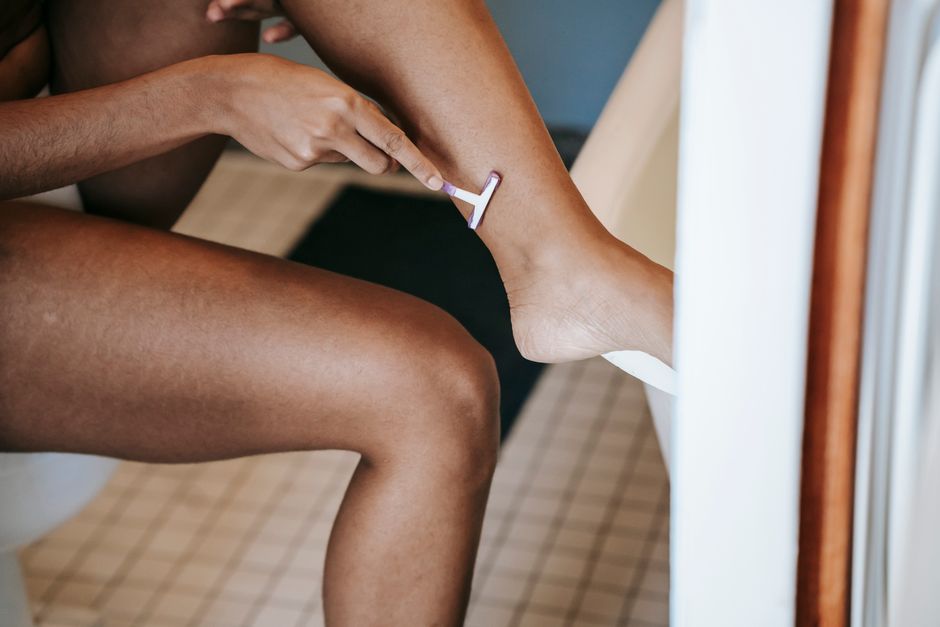
If you choose to shave, prepare the skin first. Shave after a warm shower when the hair is soft. Use a sharp, clean razor. Shave in the direction of hair growth rather than against it. Rinse the blade after every stroke.
Use shaving cream or gel designed for sensitive skin. Do not stretch the skin tight while shaving. Pulling the skin makes the hair cut below the surface, which increases the chance of it growing back inward.
Exfoliate regularly even when you do not have an ingrown hair. Gentle exfoliation two to three times per week keeps pores clear. Moisturize daily to keep the skin supple and reduce friction.
Wear loose-fitting underwear and clothing. Tight fabrics press hairs against the skin and encourage them to curl back. Cotton underwear allows the skin to breathe and reduces irritation.
Do Home Remedies Actually Work?
Some home remedies have real supporting evidence. Others are popular but unproven. Tea tree oil has natural antibacterial properties, but it can irritate sensitive skin. If you use it, dilute it with a carrier oil and test it on a small area first.
Aloe vera gel is well tolerated and helps soothe inflamed skin. It does not treat the ingrown hair itself but can reduce discomfort. Witch hazel is sometimes used as an astringent, but it can dry the skin and worsen irritation.
Some people recommend aspirin paste made by crushing aspirin and mixing it with water. Aspirin contains salicylic acid, which is a known exfoliant. However, applying aspirin directly to skin can cause burns, especially in sensitive areas. Over-the-counter salicylic acid products are a safer choice.
No home remedy has been proven to cure ingrown hairs faster than simple warm compresses and gentle exfoliation. Be skeptical of products that promise rapid results. The skin needs time to heal.
Over-The-Counter Treatments For Ingrown Hairs
Several pharmacy products can help treat and prevent ingrown hairs. Look for products containing salicylic acid or glycolic acid. These chemical exfoliants dissolve the dead skin cells that trap hairs below the surface.
Salicylic acid products are available as creams, gels, and pads. Start with a low concentration to test your skin’s tolerance. Apply only to the affected area and avoid broken skin. These products can cause burning or stinging on sensitive skin.
Some products are specifically marketed for ingrown hairs and contain a blend of exfoliating acids and soothing ingredients. These can be effective, but they are not regulated as strictly as prescription treatments. Read the ingredient list and follow the directions carefully.
Hydrocortisone cream can reduce itching and inflammation from ingrown hairs. Use it sparingly and only for a few days. Prolonged use of steroids on the skin can cause thinning and other side effects.
Antibiotic ointments are not needed unless the area is infected. Using them preventively does not reduce ingrown hairs and can contribute to antibiotic resistance.
Shaving Alternatives To Consider
If you experience frequent ingrown pubic hairs, consider changing your hair removal method. Laser hair removal is the most effective long-term option. It damages the hair follicle so hair grows back thinner or not at all. Multiple sessions are required, and it can be expensive.
Electrolysis is another permanent option. It uses an electric current to destroy the hair follicle. It works on all hair colors, unlike laser treatment, which works best on dark hair and light skin. Electrolysis is time-consuming because each hair is treated individually.
Depilatory creams dissolve hair at the skin surface. They can be used in the pubic area, but they carry a risk of chemical burns. Always do a patch test first and follow the timing instructions exactly. Do not use these creams on broken or irritated skin.
Waxing removes hair from the root, which means regrowth takes longer. But the hair that grows back can still become ingrown. Some people find that waxing reduces ingrown hairs over time because the hair grows back softer. Others find it makes the problem worse.
Myths About Ingrown Pubic Hairs
One common myth is that ingrown hairs are caused by poor hygiene. They are not. Ingrown hairs are a mechanical problem related to hair growth patterns and removal methods. Washing more frequently will not prevent them.
Another myth is that you should let an ingrown hair “come to a head” like a pimple. Ingrown hairs are not pimples. They are hairs trapped under the skin. Popping the area can push the hair deeper and cause infection.
Some people believe that pulling the hair out completely solves the problem. It does not. Plucking removes the hair but leaves the follicle irritated. The next hair to grow may also become ingrown. Freeing the hair loop without removing it is the better approach.
There is also a misconception that ingrown hairs only affect people who shave. Anyone who removes hair in the pubic region can develop them, including people who wax, pluck, or use depilatory creams. Even trimming can occasionally cause an ingrown hair if the hair is cut at an angle.
What Not To Do
Do not pick, squeeze, or scratch ingrown hairs. These actions increase inflammation and raise the risk of infection and scarring. The skin in the pubic area is thin and heals slowly. Damage here can leave permanent marks.
Do not use harsh scrubs or exfoliating tools with rough textures. The skin can tear easily. Use gentle products and light pressure.
Do not shave over an active ingrown hair. Shaving irritates the area and can cut the skin. Wait until the ingrown hair has resolved before removing hair again.
Do not apply strong chemicals like undiluted essential oils or rubbing alcohol directly to the area. These can burn the skin and worsen the problem.
Frequently Asked Questions
How long does it take for an ingrown pubic hair to go away?
Most ingrown pubic hairs resolve within one to two weeks with home care. Warm compresses and gentle exfoliation can speed up the process.
Should I pop an ingrown pubic hair like a pimple?
No. Popping or squeezing an ingrown hair can push it deeper and cause infection. Free the hair loop gently with a sterilized needle if it is visible.
Can I shave over an ingrown pubic hair?
No. Shaving over an active ingrown hair irritates the area and can cut the skin. Wait until the ingrown hair heals before shaving again.
Does laser hair removal prevent ingrown pubic hairs?
Yes, laser hair removal significantly reduces ingrown hairs by damaging the hair follicle. It requires multiple sessions and works best on dark hair and light skin.
