
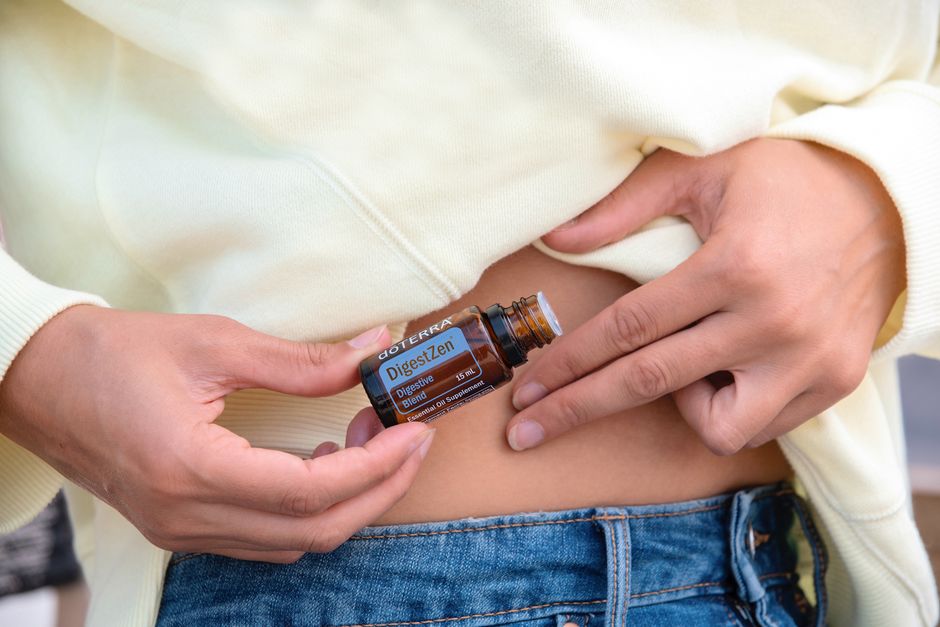
Indigestion — that burning, heavy, uncomfortable feeling in your upper belly — usually passes on its own within a few hours, and most cases can be managed at home without medication. The fastest proven steps are to stop eating, sit upright rather than lying down, loosen tight clothing around your waist, and sip water slowly. If you need symptom relief, an over-the-counter antacid neutralizes stomach acid within minutes, while other options like H2 blockers or proton pump inhibitors take longer to work. Knowing which remedy fits your situation matters more than trying everything at once.
What Is Indigestion, Exactly?
Indigestion — doctors call it dyspepsia — is not a disease. It is a group of symptoms that come from the upper digestive tract.
The most common signs include:
- A burning or gnawing feeling between your breastbone and navel
- Feeling uncomfortably full soon after starting a meal
- Bloating and belching
- Nausea or a sour taste in your mouth
What causes it? The stomach normally produces acid to break down food. The lining of the stomach is built to handle that acid. Problems start when acid irritates the stomach lining, when the muscle at the bottom of the esophagus (the lower esophageal sphincter) relaxes when it should stay closed, or when the stomach empties more slowly than usual. Each of those mechanisms produces a slightly different set of symptoms, which is why two people with “indigestion” can feel very different things.
One thing worth clarifying: indigestion and acid reflux (GERD) are not the same condition, though they overlap. Reflux is specifically acid moving up into the esophagus. Indigestion is a broader term that can include reflux symptoms but also includes fullness, bloating, and upper abdominal pain without any reflux at all.
How To Get Rid Of Indigestion Fast At Home Proven Fixes
These steps have the strongest support for short-term relief. Start with the first two — they cost nothing and often work within minutes.
Sit upright and stay upright. Gravity is your ally here. Lying down lets stomach contents press against the lower esophageal sphincter and makes reflux more likely. Sitting or standing for at least 30 minutes after eating reduces that pressure.
Loosen your waistband. Tight clothing increases pressure on your abdomen, which pushes stomach contents upward. This sounds trivial. It isn’t. Many people get relief just from changing into looser clothing.
Sip water slowly. Small amounts of water can help dilute stomach acid and move things along. Do not gulp large amounts — that can make bloating worse.
Try an antacid. Over-the-counter antacids (calcium carbonate, magnesium hydroxide, aluminum hydroxide) neutralize existing stomach acid. They typically relieve mild symptoms within minutes. Their effect is short-lived — usually 30 to 60 minutes — so they work best for occasional, mild indigestion.
Consider an H2 blocker. Drugs like famotidine reduce how much acid your stomach produces. They take longer to work than antacids — usually 30 to 60 minutes — but the relief lasts longer, often several hours.
Avoid lying down for at least 2 to 3 hours after eating. This is one of the most consistently recommended measures for preventing nighttime reflux and indigestion.
What about home remedies like ginger tea, baking soda in water, or apple cider vinegar? Ginger has some evidence for speeding up stomach emptying and reducing nausea, though studies are small. Baking soda does neutralize acid, but it is high in sodium and can cause bloating — it is not a good regular option, especially for people with high blood pressure or kidney problems. Apple cider vinegar has no reliable evidence supporting it for indigestion, and it can irritate the esophagus further. If you want to try ginger tea, there is little risk. The others are not proven fixes.
Which Foods And Drinks Make Indigestion Worse?
Certain foods relax the lower esophageal sphincter or increase acid production. The list is well established.
- Fatty and fried foods — slow stomach emptying
- Spicy foods — irritate the stomach lining in sensitive people
- Citrus and tomato products — directly acidic
- Chocolate — contains compounds that relax the sphincter
- Coffee and alcohol — increase acid secretion and relax the sphincter
- Carbonated drinks — increase pressure in the stomach
- Large meals — distend the stomach and increase upward pressure
Not everyone reacts to all of these. The pattern matters more than any single food. If you notice indigestion after a specific meal, that meal is worth examining. Keeping a simple food-and-symptom log for a week or two often reveals a clear trigger that would otherwise be invisible.
Eating smaller meals more frequently, rather than two or three large ones, reduces stomach distension and tends to help. Eating slowly and chewing thoroughly also reduces the amount of air you swallow, which cuts down on belching and bloating.





When Should You See A Doctor Instead Of Treating At Home?
Most occasional indigestion is not dangerous. But some symptoms point to something that needs medical evaluation.
See a doctor if you have:
- Indigestion that lasts more than two weeks
- Difficulty swallowing or a feeling that food gets stuck
- Unintentional weight loss
- Vomiting blood or material that looks like coffee grounds
- Black, tarry stools
- Severe pain in the upper right abdomen that spreads to your back or shoulder
- Chest pain, shortness of breath, or pain radiating to your arm or jaw
That last item matters. Chest pain from a heart attack can feel exactly like severe indigestion. If chest pain is new, intense, or comes with sweating, shortness of breath, or pain spreading to your arm or jaw, call emergency services. Do not try to treat it at home.
Persistent indigestion that does not respond to over-the-counter treatment can also be a sign of an ulcer, gallbladder disease, or other conditions that need proper diagnosis. A doctor can determine whether testing is warranted.
Can Lifestyle Changes Prevent Indigestion Long-Term?
Yes — and they tend to work better than reacting after symptoms start.
The evidence is strongest for these measures:
- Weight reduction if you are overweight. Excess abdominal fat increases pressure on the stomach. This is one of the most consistently supported lifestyle changes for reducing reflux and indigestion symptoms.
- Quitting smoking. Smoking relaxes the lower esophageal sphincter and increases acid production.
- Reducing alcohol. Alcohol has similar effects.
- Elevating the head of your bed by 6 to 8 inches if nighttime symptoms are a problem. This is different from stacking pillows — pillows bend your body at the waist, which can make things worse. The whole bed needs to be tilted.
- Waiting 2 to 3 hours after eating before lying down.
Stress does not cause indigestion directly, but it can make the digestive tract more sensitive to normal sensations. Some people find that stress management reduces how often they notice symptoms. The evidence here is less strong than for the measures above, but the relationship is plausible and commonly reported in clinical settings.
Do Over-The-Counter Medications Actually Work?
They work, but they work differently and are suited to different situations.
| Type | Examples | How fast | How long it lasts |
|---|---|---|---|
| Antacids | Calcium carbonate, magnesium hydroxide | Within minutes | 30–60 minutes |
| H2 blockers | Famotidine | 30–60 minutes | Several hours |
| Proton pump inhibitors | Omeprazole, esomeprazole | 1–4 days for full effect | 24 hours per dose |
Antacids are best for occasional, mild symptoms that need quick relief. H2 blockers are better when you want longer coverage — for example, before a meal you know tends to trigger symptoms. Proton pump inhibitors are not fast-acting. They reduce acid production over time and are typically used for frequent or persistent symptoms, often under a doctor’s guidance.
One caution: long-term use of proton pump inhibitors has been associated with certain risks, including nutrient absorption problems and an increased risk of some infections. The evidence on these associations is mixed and the absolute risk for most people is low, but it is a reason not to take them indefinitely without a medical reason. Occasional use of antacids or H2 blockers for mild, infrequent indigestion does not carry the same concerns.
If you find yourself needing medication more than a few times a week, that is a signal to see a doctor rather than to keep self-treating.
Frequently Asked Questions
How long does indigestion usually last?
Most episodes of mild indigestion resolve within a few hours, especially if you sit upright and avoid lying down. Indigestion that persists for more than two weeks or keeps returning should be evaluated by a doctor.
Does drinking milk help indigestion?
Milk can temporarily soothe a burning stomach because it coats the lining, but it also stimulates acid production, so symptoms often return worse within an hour. It is not a reliable fix.
Can I take an antacid and an H2 blocker together?
They can be taken together, and some people do this for faster plus longer relief. Check with a pharmacist or doctor first, especially if you take other medications, because antacids can affect how some drugs are absorbed.
Is apple cider vinegar a proven remedy for indigestion?
No. There is no reliable clinical evidence that apple cider vinegar helps indigestion, and its acidity can irritate the esophagus. Skip it.
