
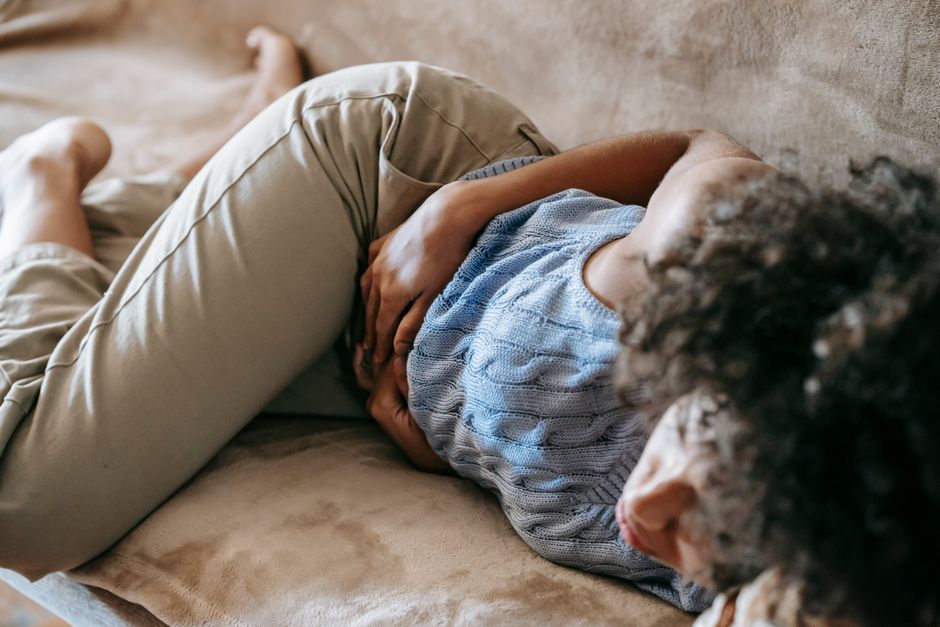
Hemorrhoid pain is one of those problems that makes you stop everything and focus. The good news is that most hemorrhoid pain can be relieved quickly at home with simple, proven methods. Fast relief typically comes from a combination of cold therapy to numb the area, warm soaks to relax the muscles, and over-the-counter creams that reduce swelling. For most people, significant pain relief happens within minutes to a few hours of starting these treatments, though the underlying swelling may take several days to fully resolve.
What Exactly Causes the Pain?
Hemorrhoids are swollen veins in the lower rectum and anus. They are incredibly common — most people will experience them at some point in their lives. The pain usually comes from two sources: the swelling of the vein itself and the muscle spasms in the anal sphincter.
When a hemorrhoid becomes thrombosed, meaning a blood clot forms inside it, the pain can become severe. This type of hemorrhoid often feels like a hard, painful lump. The pain typically peaks within the first 48 hours and then gradually improves as the body reabsorbs the clot. Understanding this timeline matters because it means the worst of the pain is usually temporary, even without treatment.
Straining during bowel movements, sitting for long periods, and constipation are the most common triggers. Pregnancy and childbirth also increase pressure in this area significantly. Knowing your trigger helps you avoid making the pain worse while you are treating it.
How To Get Rid Of Hemorrhoid Pain Fast: Immediate Steps
When pain hits, you want action. These are the steps that work fastest and have the strongest evidence behind them.
Apply cold therapy. An ice pack or a cold compress wrapped in a thin cloth placed directly on the area for 10 to 15 minutes can numb the pain and reduce swelling. Cold constricts blood vessels, which reduces the fluid buildup that makes hemorrhoids painful. Do not apply ice directly to the skin — always use a barrier like a clean cloth or paper towel. Repeat this every few hours as needed during the first day.
Take a warm sitz bath. Fill a shallow tub or a sitz bath basin with warm — not hot — water. Sit in it for 10 to 15 minutes. This relaxes the anal sphincter muscle, which is often in spasm and causing much of the pain. Many people find this is the single most effective thing they can do. You can do this two to three times a day, especially after bowel movements.
Use an over-the-counter topical cream or suppository. Products containing hydrocortisone reduce inflammation and itching. Products containing witch hazel or local anesthetics like pramoxine numb the area. These provide temporary relief, not a cure, but they can make the first few hours much more bearable. Follow the package instructions and do not use hydrocortisone creams for more than a week without talking to a doctor.
Take an oral pain reliever. Acetaminophen or ibuprofen can help with the pain. Ibuprofen has the added benefit of reducing inflammation. If you have medical conditions that affect your liver or kidneys, or if you take blood thinners, check with your doctor first about which pain reliever is safe for you.
Why Sitting Makes It Worse and What To Do About It
Direct pressure on the anal area increases pain and slows healing. This is why hemorrhoid pain often feels worse after sitting at a desk or driving.
If you must sit, use a doughnut cushion or a pillow with a hole in the center. This takes pressure off the hemorrhoid itself. These cushions are inexpensive and available at most drugstores. Stand up and walk around for a few minutes every hour if you have a desk job. Lying on your side can also relieve pressure when the pain is intense.
Avoid sitting on the toilet for long periods. This is a common habit — reading or scrolling on your phone while on the toilet — that increases pressure on the veins and makes hemorrhoids worse. Keep bathroom time short and avoid straining.





How To Prevent the Pain From Coming Back
Once the acute pain is under control, the next priority is preventing recurrence. Hemorrhoids are often a recurring problem, but simple lifestyle changes can make a big difference.
Prevent constipation. This is the most important step. Hard stools force you to strain, and straining is what aggravates hemorrhoids. Aim for a diet rich in fiber — fruits, vegetables, whole grains, and legumes. Some research suggests that increasing fiber intake reduces the risk of hemorrhoid flare-ups. If you increase fiber, do it gradually and drink plenty of water to avoid bloating and gas.
Stay hydrated. Drinking enough water keeps stools soft. There is no single magic number that works for everyone, but if your urine is dark yellow, you are likely not drinking enough. Aim for light yellow or clear urine as a general sign of adequate hydration.
Respond to the urge. When you feel the need to have a bowel movement, go when you can. Delaying makes stools harder and drier, which leads to more straining later.
Exercise regularly. Physical activity helps keep the digestive system moving and reduces the pressure on the veins in your lower body. Even a daily 20-minute walk can help. Avoid heavy lifting, which increases intra-abdominal pressure and can trigger hemorrhoid flare-ups.
When To See a Doctor
Most hemorrhoids improve with home care within a few days. But some situations require medical evaluation.
See a doctor if the pain is severe and does not improve after two days of home treatment. Seek care if you notice bright red blood on the toilet paper, in the toilet bowl, or in your stool. While hemorrhoids can cause bleeding, other conditions — including more serious ones — can also cause rectal bleeding. A doctor needs to determine the cause.
You should also see a doctor if you have a lump near the anus that is very painful. Sometimes what feels like a hemorrhoid is actually a perianal abscess, which is an infection that needs drainage. An abscess typically causes throbbing pain that gets worse over time, and it will not improve with hemorrhoid treatments.
If you have a history of hemorrhoids and the symptoms feel different this time, pay attention. Changes in symptoms warrant a check-up. For people over 40 who have not had a recent colon cancer screening, new rectal bleeding should always be discussed with a doctor.
Medical Treatments for Persistent or Severe Cases
When home treatments are not enough, doctors have several options. These are not first-line treatments, but they are effective for people with persistent or severe hemorrhoids.
Rubber band ligation is a common in-office procedure. A doctor places a small band around the base of the hemorrhoid, cutting off its blood supply. The hemorrhoid shrinks and falls off within a few days. This is typically used for internal hemorrhoids and has a high success rate.
Sclerotherapy involves injecting a chemical solution into the hemorrhoid to shrink it. This is less commonly used than banding but can be appropriate in certain cases.
Infrared coagulation uses heat to create scar tissue that cuts off blood flow to the hemorrhoid. It is another outpatient option for internal hemorrhoids.
Surgical removal, or hemorrhoidectomy, is reserved for the most severe cases — large external hemorrhoids, thrombosed hemorrhoids that do not resolve, or hemorrhoids that do not respond to other treatments. Recovery takes longer than with office-based procedures, but the results are usually permanent.
For a thrombosed hemorrhoid that is extremely painful, a doctor can make a small incision and drain the clot. This provides almost immediate pain relief. It is most effective when done within the first 72 hours of the clot forming.
What Does Not Work: Common Myths
There is a lot of misinformation about hemorrhoid relief. Some popular remedies have no evidence behind them and can even make things worse.
Essential oils. There is no clinical evidence that tea tree oil, lavender oil, or other essential oils treat hemorrhoids. Worse, these oils can irritate the sensitive skin around the anus and cause contact dermatitis. Do not apply undiluted essential oils to this area.
Apple cider vinegar. This is a popular internet remedy, but applying vinegar to inflamed tissue causes burning and irritation. No study has shown it helps hemorrhoids. Skip it.
Witch hazel is not a cure. Witch hazel can provide temporary soothing and reduce itching, and it is a common ingredient in medicated pads. But it does not shrink hemorrhoids or address the underlying cause. It is a comfort measure, not a treatment.
Cold baths are not better than sitz baths. Some people think colder water is more effective. There is no evidence for this. Warm water relaxes the sphincter, which is the mechanism that reduces pain. Cold compresses help with acute swelling, but they are not a substitute for warm soaks.
How Long Does Recovery Take?
Recovery time depends on the severity of the hemorrhoid and the treatment used. For mild hemorrhoids, pain usually improves within two to three days and resolves within a week. For thrombosed hemorrhoids, the most severe pain typically lasts two to three days, then gradually fades over one to two weeks as the body breaks down the clot.
After rubber band ligation, most people return to normal activities the next day. After hemorrhoidectomy, full recovery typically takes two to four weeks, with the first week being the most uncomfortable.
If your pain is not improving after a few days of consistent home treatment, that is a sign you should seek medical advice. Persistent pain can indicate a complication or a different condition entirely.
Frequently Asked Questions
Can hemorrhoid pain go away on its own?
Yes, most hemorrhoid pain resolves on its own within a few days to a week as the swelling decreases. Home treatments like warm soaks and cold compresses can speed up the process and make you more comfortable while it heals.
Is it safe to pop a hemorrhoid?
No, never try to pop or drain a hemorrhoid yourself. This can introduce bacteria, cause severe infection, and make the pain significantly worse. A doctor can safely drain a thrombosed hemorrhoid if it is causing severe pain.
What is the fastest way to shrink a hemorrhoid?
Warm sitz baths combined with over-the-counter hydrocortisone cream are the fastest proven methods for reducing swelling. For a thrombosed hemorrhoid, a doctor can drain the clot, which provides immediate relief.
Does walking make hemorrhoids worse?
Walking generally helps because it improves circulation and prevents constipation. Avoid heavy lifting and prolonged sitting. If walking causes pain, take breaks and use a doughnut cushion when you sit.
