
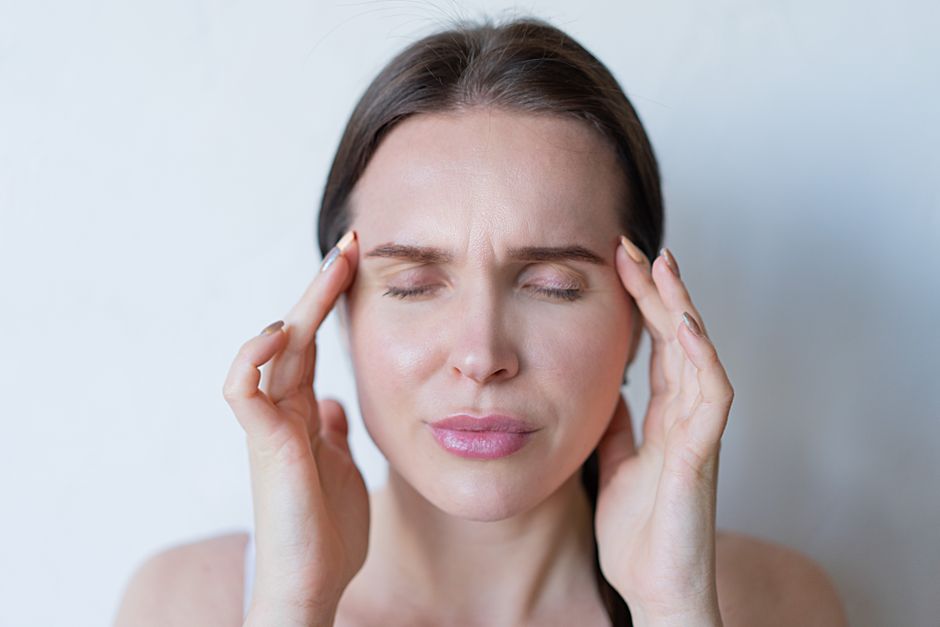
A headache on top of the head is often a tension-type headache, and the most reliable first steps are rest, a cold or warm compress, gentle neck and shoulder movement, and an over-the-counter pain reliever if your doctor says it is safe for you. Most of these headaches ease within a few hours. The location alone does not tell you the cause, which is why how the pain feels and what came before it matter more than where it sits.
Pain on the crown of the head is common and usually not serious. But “top of head” can describe several different headache patterns, and each one responds to different things. Knowing which pattern you have is the real key to getting rid of it.
What Causes a Headache on Top of the Head?
The most common cause is a tension-type headache. These produce a pressing or tightening pain, often on both sides, and the scalp or neck muscles may feel tender. The pain can sit on top of the head, across the forehead, or wrap around like a band.
Tension-type headaches are the most common headache disorder worldwide. They are not caused by a serious underlying disease in the large majority of cases. Muscle tension in the neck, jaw, and scalp, stress, poor sleep, skipped meals, and long stretches at a screen are common triggers.
Other causes of pain on the crown include:
- Migraine. Usually one-sided and throbbing, but the pain can be felt at the top of the head. Migraine often comes with nausea, and sensitivity to light or sound.
- Cervicogenic headache. Pain that starts in the neck and refers upward to the back or top of the head. It is linked to neck joints and muscles, not the brain itself.
- Medication overuse headache. A rebound headache that develops from taking pain relievers too often. It is a real and often missed cause of daily head pain.
- Sinus or eye-related pain. Less often felt at the very top of the head, but pressure from the sinuses or eye strain can spread.
One point people often miss: the location of head pain is a weak clue on its own. A headache at the top of the head is not automatically a “tension” headache, and a headache at the front is not automatically a sinus one. The pattern over time matters more than the spot.
How To Get Rid Of Headache On Top Of Head
For a typical tension-type headache, simple measures work for many people. Try them in order and give each one a fair chance before moving on.
- Rest in a quiet, dim room. Reduce light and noise. Close your eyes for a short while.
- Apply a compress. A cold pack on the forehead or a warm pack on the neck can relax tight muscles. Which one helps varies from person to person.
- Drink water. Mild dehydration is a common and easily fixed trigger.
- Eat if you have skipped a meal. Low blood sugar can bring on a headache.
- Loosen tight muscles. Gentle stretches of the neck and shoulders, and a short walk, can ease tension.
- Try an over-the-counter pain reliever such as acetaminophen, ibuprofen, or aspirin, following the label and your doctor’s advice. These are effective for many tension-type headaches, but they should not be used frequently.
There is a limit worth knowing. Using pain relievers more than a couple of days a week, over time, can actually cause more headaches. This is called medication overuse headache, and it is one of the most common reasons people get stuck in a cycle of daily head pain. If you find yourself reaching for pills often, that is a signal to talk to a clinician rather than to keep treating.
Some clinicians recommend caffeine as a mild aid for occasional headaches, and it is an ingredient in some combination pain relievers. The evidence for caffeine as a standalone treatment is limited, and it can also trigger rebound headaches if used heavily. Treat it as a small help at most, not a solution.
When Should You Worry About a Headache on Top of the Head?
Most headaches at the top of the head are not dangerous. But some symptoms mean you should get medical care right away, and they are worth knowing clearly.
Seek urgent care if a headache:
- Comes on suddenly and severely, like a thunderclap, reaching peak intensity within about a minute
- Comes with fever and a stiff neck
- Comes with weakness, numbness, trouble speaking, confusion, or vision loss
- Follows a head injury
- Is new and severe after age 50
- Worsens steadily over days or weeks
- Comes with vomiting that is not explained by another illness
These warning signs are sometimes called red flags. They do not mean something is definitely wrong, but they are reasons not to wait. A headache that is the “worst of your life,” or one that behaves very differently from your usual headaches, deserves prompt evaluation.
For headaches that are frequent, changing, or interfering with daily life, a routine visit to a clinician is reasonable. There is no need to panic, but there is also no need to tough it out for months.
How Can You Prevent Headaches on Top of the Head?
Prevention is where the biggest gains usually are, especially for tension-type headaches. The goal is to reduce the triggers that tighten the muscles and stress the body.
Posture and screen habits matter. Holding your head forward and down for long periods strains the neck and upper back. Raising your screen to eye level, taking short movement breaks, and adjusting your chair can reduce that load. This is a common-sense measure supported by the way neck muscles refer pain upward, though large trials on posture alone are limited.
Other practical steps include:
- Keeping regular sleep and wake times
- Eating meals on a regular schedule
- Staying hydrated through the day
- Managing stress with relaxation, breathing, or regular physical activity
- Limiting pain relievers to occasional use
If you clench your jaw or grind your teeth, especially at night, that can contribute to head and neck pain. A dentist can assess this. Some clinicians recommend a bite guard, though the evidence for it varies by case.
For people with frequent headaches, keeping a simple diary of when they happen, what you ate, how you slept, and your stress level can reveal patterns. That record is often more useful to a clinician than any single test.
Does the Location of a Headache Tell You the Cause?
Not reliably. This is one of the most common misunderstandings about headaches. The brain itself does not feel pain. Headache pain comes from structures around it, such as blood vessels, muscles, and the membranes covering the brain, and those signals can be felt in different places.
That is why two people with the same type of headache can feel it in different spots. A tension-type headache might sit at the top of the head for one person and across the forehead for another. Migraine is often one-sided, but not always.
So a headache at the top of the head is a description, not a diagnosis. What helps identify the type is the pattern: how often it happens, how long it lasts, what it feels like, and what comes with it, such as nausea or light sensitivity.
What If the Headache Keeps Coming Back?
Recurring headaches are common and treatable. If you are getting them often, the priority shifts from treating each one to understanding the pattern and reducing how often they happen.
Talk to a clinician about how many days a month you have headaches, what you take for them, and what seems to set them off. That information guides the next step. Some people benefit from preventive approaches, and for frequent or disabling headaches a clinician may discuss specific preventive medications. Which one fits depends on your history and health, so this is a conversation, not a self-guided decision.
The main thing to avoid is the cycle of treating every headache with pain relievers while the underlying pattern goes unaddressed. That is how occasional headaches turn into frequent ones for some people. Breaking that cycle usually starts with an honest count of how often you are taking something.
Frequently Asked Questions
What does a headache on top of the head usually mean?
It is most often a tension-type headache, which causes a pressing or tightening pain. The location alone does not confirm the cause, so the pattern of symptoms matters more.
How do you get rid of a headache on top of the head fast?
Rest in a quiet, dim room, apply a cold or warm compress, drink water, and take an over-the-counter pain reliever if it is safe for you. Most tension-type headaches ease within a few hours.
When is a headache on top of the head a sign of something serious?
Get urgent care if it comes on suddenly and severely, or comes with fever and stiff neck, weakness, confusion, vision changes, or follows a head injury. These warning signs mean do not wait.
Can taking too many pain relievers cause headaches on top of the head?
Yes. Using pain relievers more than a couple of days a week over time can cause medication overuse headache, which makes head pain more frequent. If you are taking them often, talk to a clinician.
