
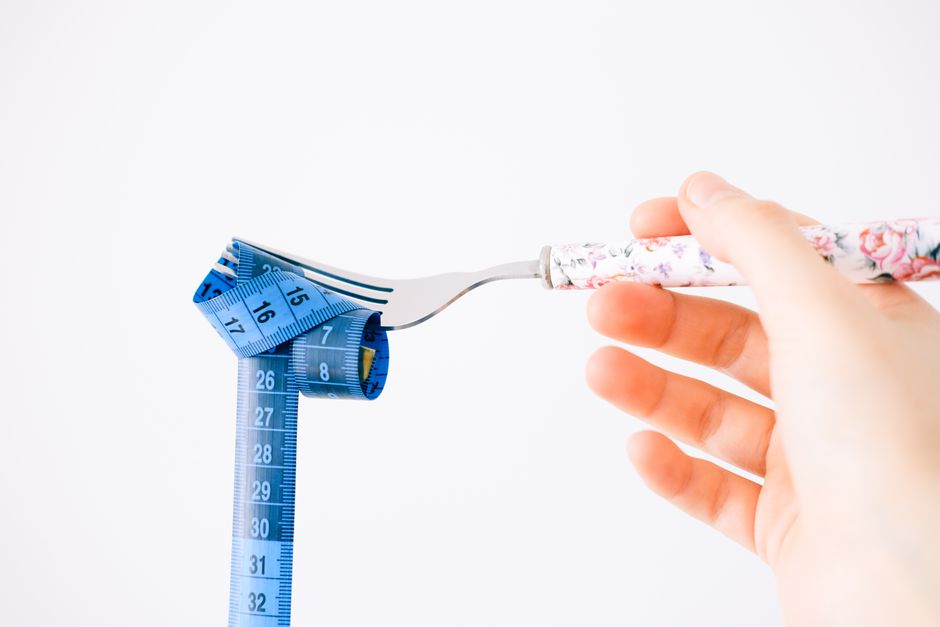
Belly fat comes off the same way body fat anywhere else does — through a sustained calorie deficit, adequate protein, regular exercise, and enough sleep to keep your hormones working in your favor. No food, supplement, or workout burns fat from your midsection alone. But visceral fat — the deep fat wrapped around your organs — does respond to lifestyle changes, often more readily than fat stored under the skin. Here is what the evidence actually supports.
What Is Gut Fat and Why Does It Matter More Than Other Fat?
There are two main types of fat in your belly. Subcutaneous fat sits just under the skin — the kind you can pinch. Visceral fat lies deeper, packed around your liver, intestines, and other organs. Visceral fat is the one linked to health problems.
Visceral fat is metabolically active. It releases inflammatory signals and free fatty acids directly into the liver through the portal vein. That is one reason it is associated with insulin resistance, higher blood pressure, and cardiovascular risk. Subcutaneous belly fat is far less dangerous.
You cannot tell how much visceral fat you have by looking in the mirror. Two people with the same waist size can have very different amounts of it. A rough proxy is waist circumference. In general, health risk rises above 40 inches for men and 35 inches for women, though these thresholds vary by population and are not a diagnosis.
Here is a point that surprises many people: visceral fat responds to diet and exercise faster than subcutaneous fat. Studies using imaging scans have found that visceral fat stores shrink meaningfully within weeks of starting a calorie deficit, sometimes before the scale moves much. The belly may not look dramatically different at first, but what is underneath is changing.
How Does Diet Get Rid Of Gut Fat?
Fat loss requires a calorie deficit. That is the one non-negotiable rule. No macronutrient ratio, meal timing pattern, or “fat-burning” food overrides it.
That said, how you build that deficit matters for keeping muscle and staying consistent.
- Protein: Higher protein intake helps preserve lean mass during weight loss and tends to increase fullness. Many nutrition guidelines suggest aiming for roughly 1.2 to 1.6 grams per kilogram of body weight per day during active weight loss, though individual needs vary.
- Fiber: Foods high in fiber — vegetables, legumes, whole grains — slow digestion and support appetite control. Most adults fall short of the recommended 25 to 38 grams per day.
- Added sugar and refined carbohydrates: These are not uniquely fattening, but they are easy to overeat and calorie-dense. Reducing them is a practical way to cut calories without feeling deprived.
- Alcohol: Alcohol adds calories and, in some studies, is associated with greater visceral fat accumulation, particularly in men. Cutting back is a reasonable lever.
What does not work: spot reduction. Doing crunches will strengthen abdominal muscles, but it will not burn fat from your belly. Research has tested this repeatedly, and the result is consistent — exercising a specific muscle does not preferentially burn fat from the area overlying it.
No single food burns belly fat. Claims about apple cider vinegar, green tea extract, or “detox” teas melting visceral fat are not supported by clinical trials. Some small studies show modest effects on markers, but nothing that substitutes for a calorie deficit.
What Kind of Exercise Actually Reduces Gut Fat?
Aerobic exercise reduces visceral fat even without weight loss. This is one of the better-established findings in the field. Randomized trials have shown that regular moderate-to-vigorous cardio — brisk walking, jogging, cycling, swimming — can shrink visceral fat stores independent of what the scale says.
Strength training matters too, but for a different reason. It preserves muscle mass while you lose fat. More muscle means a slightly higher resting metabolic rate and better insulin sensitivity. It also changes body composition in ways the scale cannot capture.
What about high-intensity interval training? Evidence suggests it can be effective for reducing visceral fat and improving metabolic markers, often in less time than steady-state cardio. But the research is mixed on whether it outperforms moderate continuous exercise when total energy expenditure is matched. The best exercise is the one you will actually do consistently.
How much? General physical activity guidelines recommend at least 150 minutes of moderate-intensity aerobic activity per week plus muscle-strengthening activities on two or more days per week. For meaningful visceral fat reduction, some trials have used higher volumes — around 250 to 300 minutes per week — with better results. That is a general evidence direction, not a prescription for any individual.
Ab exercises have their place for core strength and posture. They are not a fat-loss strategy.
How Does Sleep Affect Belly Fat?
Short sleep changes the hormones that control appetite and fat storage. Even a few nights of restricted sleep — typically defined as under six hours — raises ghrelin, the hunger hormone, and lowers leptin, the satiety hormone. The result is increased appetite, particularly for calorie-dense foods.
Sleep restriction also raises cortisol and reduces insulin sensitivity in controlled studies. Over time, that combination favors fat storage, and visceral fat appears particularly sensitive to it. Some observational studies have found that short sleepers have higher visceral fat independent of total calorie intake and physical activity.
The relationship is not one-directional. Poor sleep makes it harder to stick to a diet, harder to exercise, and harder to recover. It creates a feedback loop.
Obstructive sleep apnea is worth mentioning here because it is underdiagnosed and strongly linked to visceral fat. If you snore heavily, wake up unrefreshed, or feel excessively sleepy during the day, it is worth discussing with a clinician. Treating sleep apnea can improve metabolic health, though the evidence on whether it directly reduces visceral fat is mixed.
Most adults need seven to nine hours of sleep per night. That is a well-established recommendation, not a new finding. Prioritizing sleep is not a soft recommendation — it is a structural part of any fat-loss plan.
Can Stress and Hormones Make Gut Fat Harder To Lose?
Chronic stress raises cortisol. Cortisol promotes fat storage, and visceral fat cells are particularly responsive to it. This is well established in physiology. What is less clear is how much everyday stress — as opposed to clinical conditions like Cushing’s syndrome — contributes to visceral fat accumulation in otherwise healthy adults. The evidence points toward a real effect, but the size of it is debated.
What the research does support: high cortisol from chronic stress tends to increase appetite and preference for high-sugar, high-fat foods. It also disrupts sleep. Both pathways feed back into fat gain.
For women approaching and during menopause, changes in estrogen distribution are associated with a shift toward more visceral fat, even without weight gain. This is a well-documented physiological change, not a failure of willpower. The same diet and exercise principles still apply, but patience matters.
Thyroid conditions, polycystic ovary syndrome, and certain medications can also affect weight distribution. If belly fat is accumulating rapidly without an obvious cause, or if you have other symptoms, it is worth a medical conversation. These are not things to self-diagnose or self-treat.
What Does the Evidence Say About Timelines and Expectations?
Visceral fat can begin to decrease within a few weeks of consistent calorie restriction and exercise. Studies using imaging have shown measurable reductions in that timeframe. Visible changes in the belly usually take longer — typically several weeks to a few months — because subcutaneous fat changes more slowly and the skin and abdominal wall take time to reflect the loss.
Rate of loss varies widely between individuals. Genetics, starting body composition, age, hormones, medication use, and adherence all play a role. Comparing your progress to someone else’s is not useful.
What is well established: fat lost through sustainable changes tends to stay off longer than fat lost through extreme restriction. Rapid weight loss often includes significant muscle loss, which can slow metabolism and make regain more likely.
What is not well established: whether any specific diet pattern is superior for visceral fat over the long term when calories and protein are matched. The evidence is mixed. Mediterranean-style eating patterns have the most consistent support for metabolic health, but that does not mean other balanced diets fail.
What Actually Works and What Does Not
The core levers are not complicated. A modest calorie deficit. Enough protein and fiber. Regular aerobic exercise and strength training. Seven to nine hours of sleep. Managing chronic stress where you can.
What does not work: fat-burning supplements, waist trainers, detox teas, spot-reduction exercises, and extreme crash diets. None of these have clinical evidence supporting lasting visceral fat loss. Some carry risks — stimulant-heavy supplements in particular.
What is worth discussing with a clinician: persistent belly fat despite genuine effort, symptoms of sleep apnea, signs of hormonal conditions, and medications that may be contributing. These are legitimate medical questions, not signs of failure.
The honest summary: gut fat comes off through the same physiology as any other fat. Visceral fat is more responsive to lifestyle change than many people expect, and the levers are well established. There is no shortcut, but there is a clear path.
Frequently Asked Questions
Can you target belly fat with ab exercises?
No. Research consistently shows that exercising a specific muscle does not preferentially burn fat from the area overlying it. Ab exercises build core strength but do not reduce visceral or subcutaneous belly fat on their own.
How long does it take to lose gut fat?
Visceral fat can begin to decrease within a few weeks of consistent calorie restriction and exercise, based on imaging studies. Visible changes in the belly usually take several weeks to a few months, and the rate varies widely between individuals.
Does lack of sleep cause belly fat?
Short sleep is associated with higher visceral fat, and controlled studies show it raises hunger hormones and reduces insulin sensitivity. Most adults need seven to nine hours per night to support metabolic health.
Is walking enough to reduce gut fat?
Brisk walking counts as moderate-intensity aerobic exercise and can reduce visceral fat when done regularly and combined with a calorie deficit. General guidelines recommend at least 150 minutes of moderate activity per week, and higher volumes may produce better results for visceral fat.
