
Green poop is usually harmless. Most cases go away on their own within a day or two. You can get rid of green stool by identifying and removing the cause from your diet or supplements. You should worry if green stool lasts longer than three days or comes with severe abdominal pain, bloody stool, signs of dehydration, or unexplained weight loss.
What Causes Green Poop?
Green stool happens for several common reasons. The most frequent cause is something you ate. Dark green vegetables like spinach, kale, and broccoli can turn stool green. So can foods with green food coloring, such as sports drinks, gelatin desserts, or icing.
Iron supplements are another common cause. Many people who take oral iron notice their stool turns dark green or nearly black. That is normal and not dangerous. The green color comes from unabsorbed iron passing through your system.
Certain medications can also cause green stool. Some antibiotics change the balance of bacteria in your gut. This can alter bile processing and produce a green tint. Green stool is a known side effect and usually resolves after finishing the medication.
Digestive infections and conditions that cause rapid transit through the gut can produce green stool too. When food moves too quickly through your intestines, bile does not have time to change from green to brown. This is common with viral gastroenteritis or food poisoning.
How To Get Rid Of Green Poop And When To Worry
The fastest way to get rid of green poop is to identify what caused it and remove that trigger. Check what you ate and drank in the past 24 hours. If you had green vegetables, green food coloring, or an iron supplement, that is likely the cause. Stop the trigger and your stool color should return to normal within one to two bowel movements.
If diarrhea is the reason for green stool, focus on hydration and rest. Over-the-counter antidiarrheal medication can help if needed. Stick to bland foods like rice, bananas, and toast until your digestion settles. Green stool from a stomach bug usually resolves within 48 hours once the infection clears.
You should worry about green poop when certain red flags appear. Seek medical attention if your green stool lasts more than three days without an obvious cause. Also see a doctor if you have severe abdominal pain that does not ease, a fever above 101°F, or blood in your stool. Blood can appear bright red or make stool look dark and tarry.
Unexplained weight loss alongside green stool warrants a medical check. So does persistent diarrhea that leaves you dehydrated. Signs of dehydration include dry mouth, dark urine, dizziness when standing, and urinating less often than usual.
One more reason to call a doctor: if green stool happens after a recent surgery or hospitalization. This could point to a complication such as an infection or bile issue that needs prompt evaluation.
What Role Does Bile Play in Stool Color?
Bile is a green fluid your liver produces. It helps digest fats. Your gallbladder stores bile and releases it into your small intestine after you eat.
As bile moves through your intestines, bacteria chemically change it from green to a yellow-brown color. This process takes time. When stool moves through your digestive system too quickly, bile does not undergo this color change. The final result is green stool.
This explains why green stool often happens with diarrhea. Rapid transit through the colon leaves bile in its original green form. Once bowel movements slow down to a normal pace, stool returns to its usual brown color.
It also explains why some people see green stool after a colonoscopy prep. The powerful laxatives clear the colon so quickly that any bile present remains green. This is harmless and temporary.




Can Stress or Anxiety Cause Green Stool?
Stress and anxiety do not directly turn stool green. But they can speed up digestion through the gut-brain connection. When you are stressed, your digestive system may move food through more quickly. Faster transit time means bile stays green.
Stress can also change your eating patterns. You might eat different foods or skip meals. These changes can affect stool color indirectly. If you have ongoing digestive symptoms related to stress, discussing them with a doctor is reasonable. But green stool alone is not a reliable sign of stress or anxiety.
What Foods Are Most Likely to Cause Green Stool?
Several foods are well-known for changing stool color. Dark leafy greens are at the top of the list. Spinach, kale, Swiss chard, and collard greens contain chlorophyll, the pigment that makes plants green. Your body does not fully absorb chlorophyll, so some passes through and colors your stool.
Other common culprits include:
- Green food coloring in candy, frosting, sports drinks, and cereal
- Blueberries and blackberries (the dark pigments can mix with bile and appear green)
- Matcha or green tea powder consumed in large amounts
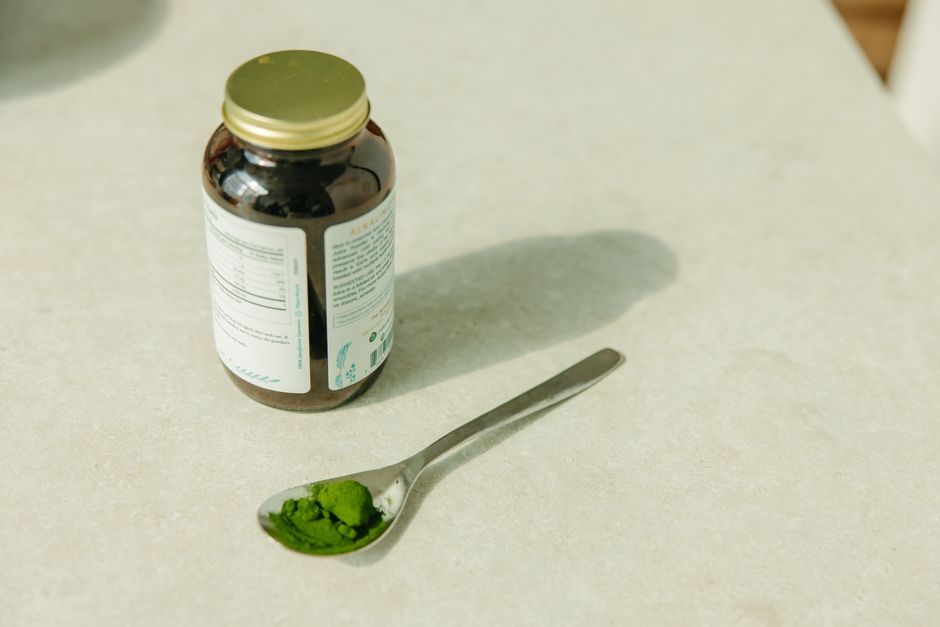
- Wheatgrass or green superfood powders and smoothies
These food-related causes are harmless. The color change simply means the pigment passed through your digestive system without being fully broken down. Once you stop eating the food, stool color normalizes within a day or two.
When Should Adults See a Doctor for Green Stool?
Green stool alone is rarely an emergency. You can usually wait to see if it resolves on its own. But certain situations call for medical attention.
Call your doctor if green stool lasts more than three days without a clear cause. Ongoing green stool after the trigger is gone may signal an underlying digestive issue that needs evaluation.
See a doctor urgently if green stool comes with any of these symptoms:
- Severe or worsening abdominal pain
- Fever above 101°F
- Blood visible in the toilet or on the stool
- Signs of dehydration such as dry mouth, dark urine, dizziness, or not urinating for more than 8 hours
- Unintentional weight loss
- Yellowing of the skin or eyes, which can indicate a bile duct or liver problem
If you have a known digestive condition such as Crohn disease, ulcerative colitis, or irritable bowel syndrome, mention green stool to your doctor. It may be part of your usual symptom pattern, but it is worth tracking with your care team.
What About Green Poop in Babies and Children?
Green stool is common in babies and is usually normal. Newborns pass dark green stool called meconium in the first few days of life. This is expected and healthy.
Breastfed babies can have green stool for several reasons. Foremilk-hindmilk imbalance is one possibility. If a baby gets more low-fat foremilk than rich hindmilk, digestion may speed up and produce green stool. Adjusting nursing patterns often resolves this. But many babies have green stool on and off with no problem at all.
Formula-fed babies may have green stool due to iron in the formula. Commercial formulas are iron-fortified for good reason, and the green color is harmless.
In toddlers and older children, green stool usually comes from food. Green snacks, frosting, and drinks are common causes. A stomach bug with diarrhea can also cause green stool in children.
Call your pediatrician if your child has green stool with a fever, signs of belly pain, or blood in the stool. Also call if the child shows signs of dehydration such as fewer wet diapers or dry mouth. In otherwise healthy children, green stool by itself is almost never a reason to worry.
Does Green Stool Mean Something Is Wrong With Your Liver or Gallbladder?
It is rare but possible. The most concerning cause of persistently green stool is a problem with bile flow. If the bile duct is blocked or the liver is not processing bile properly, stool may remain green or become pale and clay-colored.
Green stool alone is almost never the first sign of liver or gallbladder disease. These conditions usually produce other symptoms first. Jaundice yellowing the skin or eyes, dark urine, severe upper right belly pain, nausea, and pale stool are more common clues.
If green stool is your only symptom, a liver or gallbladder problem is extremely unlikely. If you have green stool along with jaundice or upper right abdominal pain, see a doctor promptly. That combination requires evaluation.
Frequently Asked Questions
Can antibiotics cause green stool?
Yes. Antibiotics change the balance of bacteria in your gut, which can affect how bile is processed and cause green stool. This is a known side effect that usually resolves after you finish the medication.
How long does green poop last after eating green vegetables?
Green stool from vegetables usually clears within 24 to 48 hours after you stop eating the food. It may take one or two bowel movements for all the pigment to pass through your system.
Is green poop a sign of infection?
Green stool can happen with a stomach infection or food poisoning because diarrhea speeds up digestion. But green stool alone is not a reliable sign of infection. Look for other symptoms like fever, vomiting, or abdominal cramping to help determine the cause.
Does dark green poop mean internal bleeding?
No. Internal bleeding in the upper digestive tract produces black sticky stool that looks like tar, not dark green. Dark green stool is almost always from diet, supplements, or rapid digestion rather than blood.
