
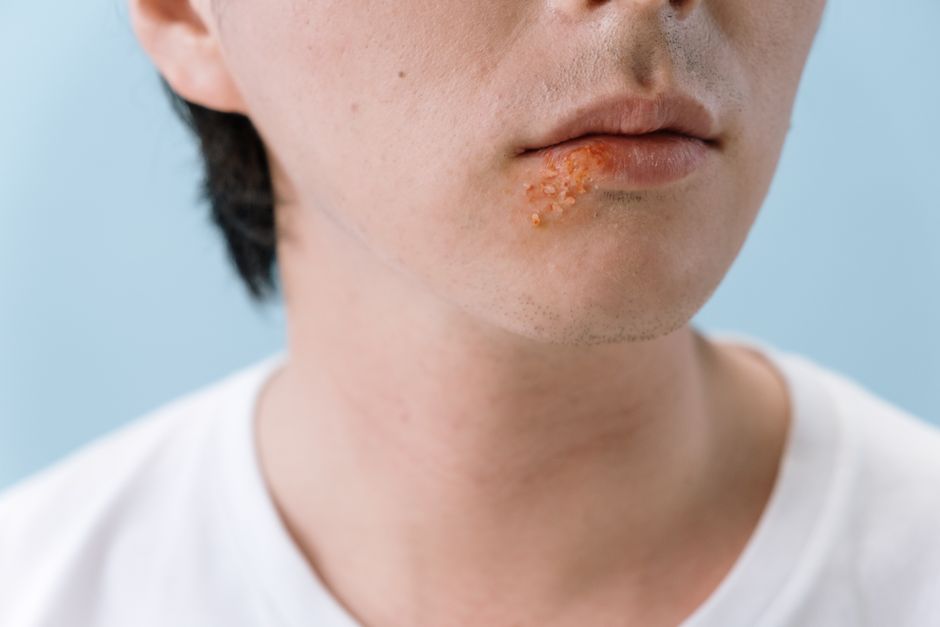
Genital herpes outbreaks can be managed, but the virus itself stays in your body for life. You cannot cure the infection, but you can reduce how often outbreaks happen and how long they last. Antiviral medications are the most effective way to shorten an active outbreak and can also prevent future ones when taken daily. Beyond medication, there are practical steps you can take to speed healing, reduce discomfort, and lower your chances of triggering another episode.
What Causes a Genital Herpes Outbreak?
Genital herpes is caused by the herpes simplex virus, most often type 2 (HSV-2), though type 1 (HSV-1) can also cause it. After the first infection, the virus travels to nerve cells near your spine and stays there, inactive, for life. Outbreaks happen when the virus reactivates and travels back to the skin surface.
You cannot predict exactly when an outbreak will happen, but certain triggers are well documented. Stress, illness, fatigue, and hormonal changes can all reactivate the virus. Friction from sex or tight clothing can also irritate the area and bring on symptoms. Some people notice a pattern and can identify their own triggers over time.
Not everyone with genital herpes gets frequent outbreaks. Some people have one outbreak and never have another. Others get several a year. The first outbreak is usually the worst, and later ones tend to be milder and shorter.
How To Get Rid of Genital Herpes Outbreaks Faster
Antiviral drugs are the only treatment proven to shorten an outbreak. The three medications used are acyclovir, valacyclovir, and famciclovir. When you start one of these within 24 to 72 hours of the first symptom, it can cut the outbreak short by a day or two and reduce pain.
These medications are prescription only. Your doctor can prescribe an episodic course — meaning you take the pills for a few days each time you feel an outbreak starting — or a daily suppressive dose to prevent outbreaks altogether. Daily suppressive therapy reduces outbreak frequency by about 70 to 80 percent in people who get frequent recurrences.
If you feel a tingling, burning, or itching sensation before any sores appear, that is the prodrome phase. Starting medication at this point gives you the best chance of stopping the outbreak before sores form. Keep a prescription on hand so you do not have to wait for a doctor’s appointment.
Home Care That Helps During an Outbreak
Medication is the main treatment, but home care can make you more comfortable while sores heal. Keep the area clean and dry. Gently wash with plain water or mild soap once or twice a day. Pat dry with a clean towel — do not rub.
Wear loose cotton underwear and avoid tight pants or synthetic fabrics that trap moisture. Moisture slows healing and can make sores worse. Some people find that sitting in a warm bath with plain water eases pain, especially during urination. If urinating hurts, pour warm water over the area while you go.
Over-the-counter pain relievers like ibuprofen or acetaminophen can help with discomfort. An ice pack wrapped in a cloth, applied for 10 to 15 minutes at a time, can also numb the area and reduce swelling. Do not apply ice directly to the skin.
Do not use creams or ointments unless a doctor recommends them. Some products, especially those with numbing agents, can irritate broken skin. Keep the area dry rather than slathering it with anything.





Can You Prevent Future Outbreaks?
Daily suppressive therapy is the most reliable way to prevent outbreaks. If you have six or more outbreaks a year, most doctors will recommend taking an antiviral every day. This does not clear the virus from your body, but it keeps it from reactivating as often.
Beyond medication, managing your known triggers can help. If stress brings on outbreaks, stress reduction techniques like exercise, meditation, or adequate sleep may reduce frequency. If friction is a trigger, using lubricant during sex and avoiding rough activity can help. Pay attention to your own patterns — what causes an outbreak for one person may not affect another.
A healthy immune system matters. The virus is kept in check by your immune response, so anything that suppresses immunity can increase outbreak frequency. Chronic illness, certain medications, and severe stress can all play a role. Eating well, sleeping enough, and managing chronic conditions are reasonable steps, though no diet or supplement has been proven to prevent outbreaks.
What Does Not Work for Genital Herpes?
There is a lot of misinformation about herpes treatments online. No supplement, herbal remedy, or dietary change has been proven in clinical trials to cure or reliably prevent outbreaks. Some products claim to “clear” the virus from your body — no such product exists.
Lysine supplements are often promoted for herpes, but the evidence is weak. Some small studies suggested a possible benefit, while others found none. No major clinical guideline recommends lysine for herpes management. If you choose to try it, understand that the evidence does not confirm it works.
Bleach, alcohol, hydrogen peroxide, and other harsh antiseptics do not kill the virus in your skin and will damage healthy tissue. They slow healing and increase pain. Avoid them.
Essential oils and topical herbal preparations are also unproven. Some may soothe the skin, but none have been shown to shorten an outbreak or inactivate the virus. Treat them as cosmetic, not medical.
When To See a Doctor
If you suspect you have genital herpes, see a doctor for testing. A swab of an active sore is the most reliable test. Blood tests can detect antibodies but cannot tell you when you were infected or whether sores are actually herpes.
See a doctor promptly if you have severe pain, difficulty urinating, or signs of a bacterial infection like spreading redness, warmth, or pus. Women who are pregnant and have herpes need specialized care — the virus can be passed to a baby during delivery, and your obstetrician needs to know your status.
If outbreaks are frequent, painful, or affecting your quality of life, talk to your doctor about suppressive therapy. You do not need to suffer through recurrent outbreaks. The medications are well tolerated and have been used safely for decades.
Living With Genital Herpes
Genital herpes is common. The Centers for Disease Control and Prevention estimates that about one in six people aged 14 to 49 in the United States has HSV-2. Many people have no symptoms and never know they are infected.
An outbreak is temporary. Sores typically heal within 2 to 4 weeks during a first outbreak, and within about a week during recurrences. Antiviral treatment shortens this further. Between outbreaks, the virus is inactive and you can live normally.
You can still have a healthy sex life. Using condoms reduces transmission risk, though it does not eliminate it because the virus can shed from skin not covered by a condom. Daily suppressive therapy also reduces transmission to partners by about 50 percent. Be honest with partners about your status — it builds trust and allows informed decisions.
The emotional toll of a herpes diagnosis is often worse than the physical symptoms. It is a manageable condition, not a life sentence. Millions of people live with it, and with proper treatment, most have few or no outbreaks.
Frequently Asked Questions
Can genital herpes be cured permanently?
No cure exists for genital herpes. The virus stays in your body for life, but antiviral medication can control outbreaks and reduce how often they happen.
How long does a genital herpes outbreak last?
A first outbreak can last 2 to 4 weeks, while recurrent outbreaks typically heal within about a week. Starting antiviral medication at the first symptom shortens the duration.
What triggers a genital herpes outbreak?
Stress, illness, fatigue, hormonal changes, and friction from sex or tight clothing are common triggers. Identifying your personal triggers can help you avoid future outbreaks.
Does daily antiviral medication prevent outbreaks?
Yes, daily suppressive therapy reduces outbreak frequency by about 70 to 80 percent in people with frequent recurrences. It also lowers the risk of transmitting the virus to a partner.
