
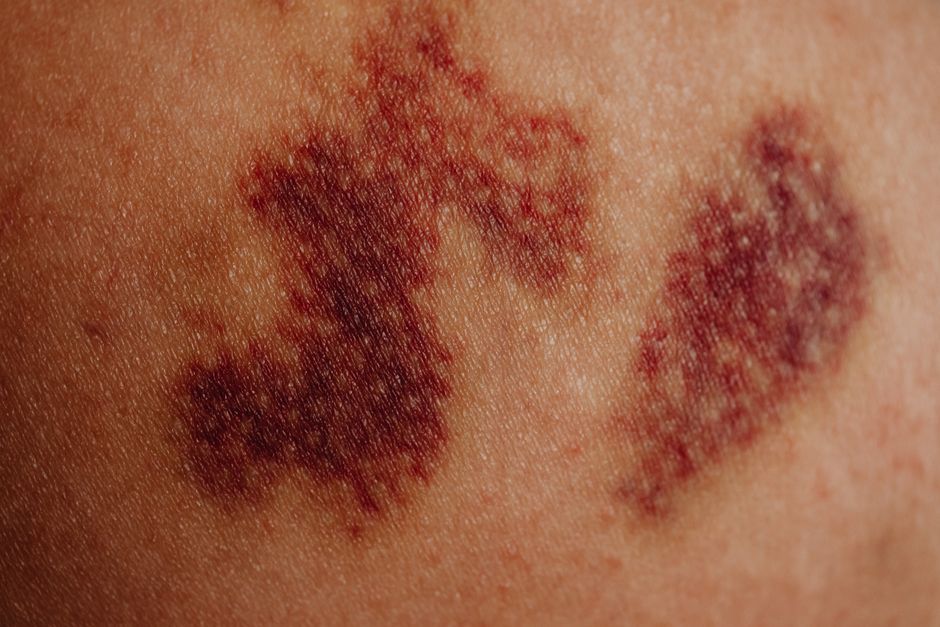
Folliculitis scars on the buttocks are marks left behind after inflamed hair follicles heal. You cannot erase a scar completely, but most of these marks fade a great deal over months, and a few evidence-based treatments can speed that up or improve texture. The right approach depends on what kind of mark you have — a flat dark spot, a raised bump, or a small pit — because each type responds to different treatments.
What Causes Folliculitis Scars On Buttocks?
Folliculitis is inflammation of a hair follicle. On the buttocks, friction, sweat, tight clothing, and prolonged sitting create conditions where follicles get irritated or infected. When that inflammation is deep or lasts a long time, the skin’s repair process can leave a mark.
The scar you see depends on how deep the damage went:
- Post-inflammatory hyperpigmentation (PIH) — flat brown or dark marks. This is not true scarring. It is excess melanin deposited where inflammation occurred. It fades on its own, usually over months.
- Raised scars (hypertrophic) — firm bumps that stay within the original spot. They form when the body makes too much collagen during healing.
- Keloids — raised scars that grow beyond the original injury. They are more common in people with darker skin tones.
- Atrophic scars — small depressions or pits where tissue was lost. These are the hardest to treat.
One clarification worth knowing: many people call any dark mark a “scar,” but flat brown spots are pigment changes, not scar tissue. That distinction matters because pigment fades with time and responds to different treatments than true scars do.
How To Get Rid Of Folliculitis Scars On Buttocks
No treatment removes a scar entirely. What treatments can do is make marks less visible, flatten raised scars, and improve skin texture. Results take weeks to months, not days.
Here is what the evidence supports, roughly from least to most intensive:
Time and sun protection
Post-inflammatory hyperpigmentation fades on its own. The single most useful thing you can do is protect the area from further irritation and, for exposed skin, from sun. For the buttocks, sun exposure is rarely a factor, but friction and picking are. Stopping the cycle of new folliculitis is the foundation of everything else.
Topical treatments
Some over-the-counter ingredients have reasonable evidence for fading pigment:
- Azelaic acid — studied for hyperpigmentation and generally well tolerated.
- Retinoids — prescription tretinoin and some OTC retinol products can help with pigmentation and texture over time. They can irritate skin, especially in the first weeks.
- Vitamin C and niacinamide — some studies suggest benefit for uneven pigmentation, though evidence for scar-specific use is limited.
- Silicone gel or sheets — the best-supported non-invasive option for raised scars. Evidence indicates they can help flatten and soften hypertrophic scars and keloids.
Be skeptical of products marketed as scar removers. No topical product has been shown to erase a scar. Many can gradually improve appearance.
In-office procedures
For marks that do not improve with time and topicals, dermatologists offer procedures. These are not cures and often need multiple sessions:
- Laser therapy — different lasers target pigment or blood vessels or resurface skin. Evidence supports their use for both pigmentation and certain scar types.
- Chemical peels — can improve pigmentation and mild texture.
- Microneedling — some studies suggest benefit for scar appearance, including atrophic scars.
- Corticosteroid injections — commonly used for raised scars and keloids. This is standard clinical practice, though response varies.
- Dermal fillers — sometimes used for depressed scars. Effects are temporary.
Which procedure fits depends on your scar type, skin tone, and history. A dermatologist can assess this in person. Some procedures carry a risk of making pigmentation worse in darker skin tones, so the choice of technique matters.
Does Picking Or Popping Make Scars Worse?
Yes. Picking, squeezing, and popping folliculitis bumps makes scarring more likely and more severe. Every time you disturb an inflamed follicle, you extend the inflammation and increase the chance the skin heals with a mark.
This is the most preventable cause of worse scarring, and it is entirely within your control. Hands off is not just advice — it is one of the few things that reliably reduces how bad the final mark looks.





How Long Do Folliculitis Scars Take To Fade?
Flat dark marks from post-inflammatory hyperpigmentation typically fade over several months to a year, though this varies widely by person and skin tone. Raised and atrophic scars generally do not fade on their own the way pigment does.
Treatment timelines are similar. Topical treatments and silicone take weeks to months to show change. Laser and other procedures often require multiple sessions spaced weeks apart. Anyone promising fast results is overstating what is realistic.
How Do You Stop New Folliculitis From Forming?
Preventing new folliculitis is the most effective way to prevent new scars. If the follicles keep getting inflamed, you will keep getting marks, no matter how well you treat the old ones.
Steps that reduce folliculitis on the buttocks:
- Shower after sweating. Sweat and bacteria trapped against skin worsen folliculitis.
- Wear loose, breathable clothing. Tight synthetic fabrics increase friction and trap moisture.
- Avoid prolonged sitting in damp workout clothes.
- Do not shave or wax the area if that triggers your breakouts. Hair removal by these methods can inflame follicles.
- Use a clean towel and change underwear daily.
If folliculitis keeps returning, or if bumps are deep, painful, or clustered, see a clinician. Some cases are caused by infection that needs specific treatment, and some skin conditions that look like folliculitis are actually something else — including acne, hidradenitis suppurativa, or keratosis pilaris. These look similar and are treated differently.
When Should You See A Dermatologist?
See a dermatologist if scars are raised, growing, or painful; if marks are not improving after several months; if you have many deep or pitted scars; or if you keep getting new folliculitis despite preventive steps.
A dermatologist can confirm what you are actually dealing with. That matters because treatment for pigment, raised scars, and depressed scars differs, and using the wrong approach wastes time and money. For raised scars and keloids in particular, earlier treatment tends to work better than waiting.
If you have a history of keloids, tell your clinician before any procedure. Some treatments can trigger new keloid formation in people prone to them.
Frequently Asked Questions
Can folliculitis scars on buttocks go away completely?
Flat dark marks from post-inflammatory hyperpigmentation usually fade over months to a year, but true scars — raised, pitted, or depressed — rarely disappear entirely. Treatment can make them much less noticeable, but complete removal is not realistic.
What is the fastest way to fade dark marks from folliculitis?
There is no fast fix. Consistent use of evidence-backed topicals like azelaic acid or retinoids, plus stopping new breakouts, gives the best gradual results. In-office treatments like lasers can help but still require multiple sessions over weeks.
Does silicone gel really work on raised buttock scars?
Silicone gel and sheets have the strongest evidence among non-invasive options for flattening and softening raised scars and keloids. They work gradually and are generally well tolerated.
Should I see a doctor for folliculitis scars?
Yes, if scars are raised, growing, painful, or not improving after several months, or if you keep getting new folliculitis. A dermatologist can confirm the scar type and recommend treatment that matches it.
