
Folliculitis on your face happens when hair follicles become inflamed, usually from bacteria, fungus, or physical irritation. Most mild cases clear up with simple changes at home, like stopping shaving for a while and keeping the skin clean. But stubborn, spreading, or painful bumps need a doctor, because the right treatment depends on what is actually causing the inflammation — and using the wrong product can make it worse.
What Is Folliculitis And What Does It Look Like On The Face?
Folliculitis is inflammation of one or more hair follicles. On the face, it shows up as small red bumps or pus-filled pimples centered on hair follicles. The beard area, jawline, upper lip, and sometimes the eyebrows are common spots because those areas have dense hair growth.
The bumps may itch, sting, or feel tender. A single follicle can be involved, or you may see clusters. Some people notice a red ring around each bump with a hair in the middle — that central hair is a useful clue, though you will not always see it.
Here is where it gets confusing: folliculitis is often mistaken for acne. They look similar. The difference is that acne involves blocked oil glands and pores, while folliculitis is centered on the follicle itself. This matters because acne treatments and folliculitis treatments are not the same, and using the wrong one can irritate the skin further.
It is also easy to confuse folliculitis with other conditions that cause facial bumps, including rosacea, keratosis pilaris, and ingrown hairs. A doctor can usually tell the difference by looking, and sometimes by testing a sample of pus or a swab if the cause is unclear.
What Causes Folliculitis On The Face?
The cause falls into a few main groups, and identifying which one applies to you is the single most useful thing you can do.
- Bacterial infection. This is the most common type. Staphylococcus bacteria normally live on the skin. When they get into a follicle — often through a small cut, a shaving nick, or a blocked pore — they cause infection.
- Fungal infection. Yeast called Malassezia live on most people’s skin. Overgrowth can inflame follicles and cause itchy, persistent bumps, sometimes called “fungal acne” (the medical term is Malassezia folliculitis or Pityrosporum folliculitis).
- Physical irritation. Shaving, plucking, waxing, tight hats, helmets, and friction from clothing can all damage follicles and trigger inflammation. Shaving against the grain is a common culprit on the face.
- Blocked follicles. Heavy moisturizers, oils, and some cosmetics can clog follicles, especially in people prone to breakouts.
- Ingrown hairs. When a hair curls back into the skin, it triggers inflammation that looks and behaves like folliculitis.
Less common causes include certain medications, hot tub exposure (a specific bacterium, Pseudomonas, is linked to contaminated water), and skin conditions like dermatitis that weaken the skin barrier.
One point worth knowing: fungal folliculitis does not respond to antibiotics, and bacterial folliculitis does not respond to antifungal creams. This is why guessing at treatment often fails.
How To Get Rid Of Folliculitis On Your Face At Home
For mild, recent folliculitis, home care resolves many cases. The goal is to stop irritating the follicles and let the skin calm down.
- Stop shaving the area for a few weeks. This is often the single most effective step. Let the follicles rest.
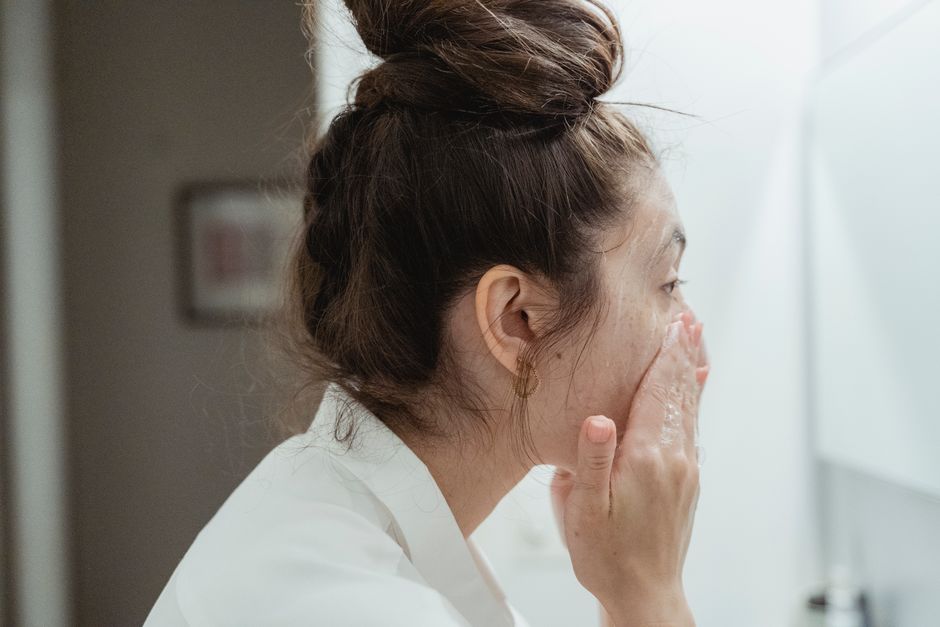
- Wash gently twice a day. Use a mild, fragrance-free cleanser and lukewarm water. Hot water and scrubbing make inflammation worse.
- Skip heavy products. Pause thick moisturizers, facial oils, and comedogenic (pore-clogging) makeup until the bumps clear.
- Use a clean, warm compress. A warm — not hot — compress a few times a day can help a tender bump drain and ease discomfort. Do not squeeze or pop the bumps. Squeezing pushes infection deeper and can cause scarring.
- Do not share towels, razors, or pillowcases. Change pillowcases often and wash them in hot water.
- Keep hands off your face. Picking spreads bacteria and delays healing.
If you must shave, use a clean, sharp razor, shave with the grain, and rinse the blade well. Some people find an electric razor less irritating than a blade. There is no strong evidence that one method prevents folliculitis in everyone, but reducing friction and nicks generally helps.
Over-the-counter options are limited. Some clinicians suggest a gentle antibacterial wash for mild bacterial cases, but evidence that these work better than plain gentle cleansing is not strong. If you have tried basic home care for a couple of weeks and see no improvement, or if things are getting worse, it is time to see a doctor.





When Should You See A Doctor For Facial Folliculitis?
See a doctor if the bumps are spreading, getting larger, or becoming painful. Also seek care if you have a fever, chills, or the skin around the bumps feels hot and swollen — those can signal a deeper infection that needs prompt treatment.
Other reasons to get medical help:
- The bumps have not improved after a few weeks of home care.
- They keep coming back after clearing.
- You have deep, boil-like lumps (these may be a more serious infection such as a furuncle or carbuncle).
- You have diabetes, a weakened immune system, or you take medications that suppress immunity.
- The condition is affecting your confidence or daily life.
Do not try to treat deep or spreading infections at home. Some bacterial skin infections can worsen quickly, and delay can lead to scarring or a more serious problem.
What Treatments Can A Doctor Prescribe?
Treatment depends on the cause, which is why a proper diagnosis matters. A doctor may examine the skin and, in some cases, take a swab or sample to identify bacteria or yeast.
For bacterial folliculitis, doctors commonly prescribe topical antibiotics. For more widespread or stubborn cases, oral antibiotics may be used. It is worth knowing that antibiotic resistance is a real concern, so antibiotics are generally reserved for cases where they are likely to help rather than used for every bump.
For fungal folliculitis, the treatment is different. Topical or oral antifungals are used, and antibiotics will not work. This is a common reason people stay stuck — they keep using the wrong product.
For folliculitis caused by irritation or ingrown hairs, the fix is often about changing habits rather than medication. A doctor or dermatologist can also remove an ingrown hair or drain a large bump safely if needed.
Some clinicians recommend laser hair removal for people with recurring folliculitis in a specific area, since reducing hair growth reduces the follicles that can become inflamed. This is a reasonable option for some people, though it is not a guaranteed fix and results vary.
How To Prevent Folliculitis From Coming Back
Prevention comes down to reducing the things that trigger it. If shaving is your trigger, change how you shave. If products are the trigger, simplify your routine. If bacteria are the issue, keep the skin clean without over-washing.
Practical steps that help many people:
- Shave less often, and always with the grain using a sharp, clean razor.
- Rinse your face after sweating, since sweat and trapped moisture can encourage bacterial and fungal growth.
- Avoid tight hats, headbands, and anything that rubs the face.
- Choose skin products labeled non-comedogenic.
- Treat any underlying skin condition, such as eczema, that weakens the skin barrier.
If you keep getting folliculitis in the same spot despite these changes, that pattern suggests a specific cause that has not been addressed. A dermatologist can help identify it.
What Makes Folliculitis Worse?
A few common habits reliably make facial folliculitis worse, and stopping them is often as important as any treatment.
Picking, squeezing, and popping the bumps is the biggest one. It spreads infection, deepens inflammation, and raises the risk of scarring. Scrubbing the face with harsh exfoliants or rough washcloths causes the same problem.
Using the wrong product is another. Antibiotic creams on a fungal infection, or heavy oils on a bacterial one, can prolong the problem. Sharing razors and towels can reintroduce bacteria again and again.
Finally, ignoring a worsening infection is risky. What starts as a few bumps can, in some cases, develop into a deeper infection that needs medical treatment.
Frequently Asked Questions
How long does folliculitis on the face last?
Mild folliculitis often clears within a week or two once the trigger is removed. If it lasts longer than a few weeks or keeps returning, see a doctor to identify the cause.
Is facial folliculitis contagious?
Bacterial folliculitis can spread to other areas of your own skin and, in some cases, to other people through shared razors, towels, or direct contact. Fungal folliculitis is generally not passed between people.
Can I pop folliculitis bumps like pimples?
No. Popping or squeezing pushes infection deeper, worsens inflammation, and increases the risk of scarring. Use a warm compress instead and let a doctor drain anything that needs it.
Does folliculitis on the face go away on its own?
Mild cases often improve on their own once you stop the trigger, such as shaving or a clogging product. Cases caused by infection usually need targeted treatment, and fungal and bacterial types require different medicines.
