
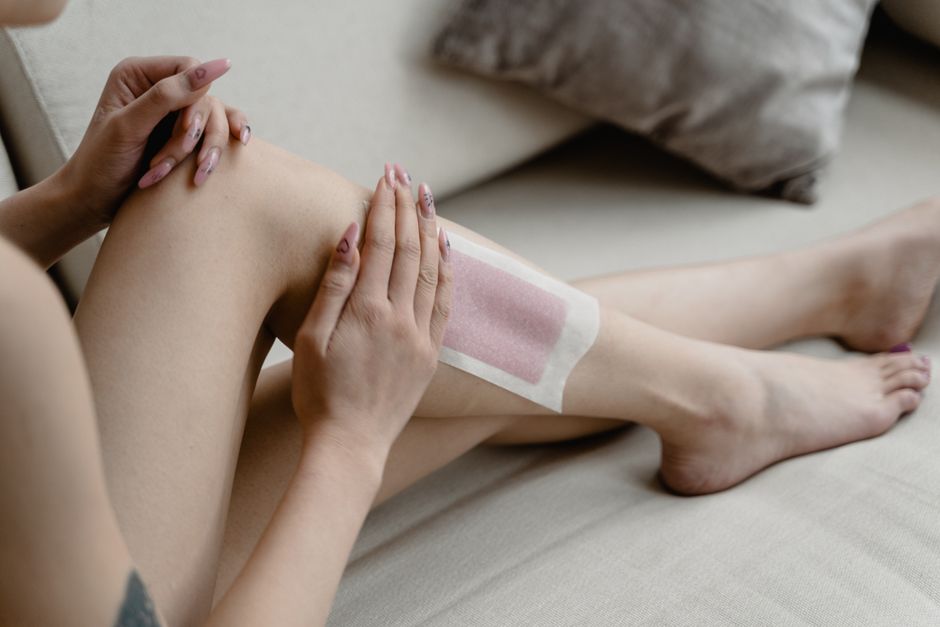
Folliculitis after waxing happens when hair follicles become irritated or infected, causing small red bumps that can look like acne. It usually clears on its own within a few days to a week with simple home care like gentle cleansing and avoiding tight clothing. If bumps spread, deepen, or persist beyond about a week, see a doctor — prescription treatment may be needed.
How To Get Rid Of Folliculitis After Waxing
Waxing pulls hair out by the root. That creates a small opening at the skin surface where bacteria can get in. The result is folliculitis — inflammation of the hair follicle.
Most cases are mild and settle down without medical treatment. The steps below focus on calming the skin, preventing the problem from getting worse, and knowing when to get help.
- Keep the area clean with lukewarm water and a mild, fragrance-free cleanser. Pat dry — do not rub.
- Stop shaving, waxing, or exfoliating the area until it heals.
- Wear loose cotton clothing to reduce friction and sweating.
- Apply a warm compress for a few minutes several times a day to ease discomfort and help drainage if a bump comes to a head.
- Avoid picking, squeezing, or scratching the bumps. This pushes bacteria deeper and can cause scarring.
- Skip heavy lotions, oils, and makeup on the treated area until it clears.
If the bumps are itchy but not infected, an over-the-counter hydrocortisone cream may reduce inflammation. Some clinicians suggest this for short-term use only. It is not a treatment for infection and should not be applied to broken skin without medical advice.
For mild bacterial folliculitis, some doctors recommend an over-the-counter antibiotic ointment. This is common practice, though evidence for its effectiveness in post-wax folliculitis specifically is limited. If the skin is not improving after a few days, see a healthcare provider rather than continuing self-treatment.
What Does Folliculitis After Waxing Look Like?
Folliculitis shows up as small red bumps or pus-filled pimples centered on hair follicles. The affected area may be itchy, tender, or slightly swollen.
It can appear anywhere hair was removed — legs, bikini line, underarms, face, or back. The bumps tend to cluster in the waxed zone rather than spreading randomly.
This is where people often get confused. Folliculitis can look almost identical to two other common reactions:
- Waxing irritation: Redness and bumps that appear within hours and fade within a day or two. No pus, no spreading.
- Ingrown hairs: Bumps that form as hair regrows and curls back into the skin, usually appearing one to two weeks later.
True folliculitis tends to develop a bit later than simple irritation and may involve pus-filled centers. If you are not sure which one you have, the timing and whether pus is present are the best clues. A doctor can tell the difference if it is unclear.
What Causes Folliculitis After Waxing?
The mechanism is straightforward. Waxing removes hair from the root, leaving a tiny wound at each follicle. Bacteria — most often staph — or other organisms can enter and cause infection.
Several things raise the risk:
- Warm, moist environments like hot tubs or tight workout clothes
- Shaving or waxing against the direction of hair growth
- Reusing wax or using unclean tools
- An unclean waxing environment or poor hand hygiene from the technician
- Existing skin conditions like eczema or a weakened skin barrier
- Diabetes or a weakened immune system
Hot tub folliculitis is a distinct type caused by Pseudomonas bacteria that thrive in warm water. It typically appears within a day or two of exposure and often clears on its own.
One thing worth knowing: not all post-wax bumps are infections. Many are simply inflammation from the trauma of waxing. That distinction matters because it changes whether antibiotics would help at all. Antibiotics do nothing for non-infectious irritation.
When Should You See a Doctor?
Most cases of folliculitis after waxing are mild and resolve without medical care. See a doctor if any of the following apply:
- Bumps spread or get worse after a few days
- The area becomes increasingly painful, hot, or swollen
- You develop a fever or feel unwell
- A single bump grows large, deep, and painful — this may be a boil or abscess
- The problem keeps coming back after each waxing session
- You have diabetes or a weakened immune system
A healthcare provider can usually diagnose folliculitis by looking at the skin. In some cases they may take a swab to identify the organism. That matters because bacterial and fungal folliculitis need different treatments.
Treatment depends on the cause and severity. Options a doctor might recommend include:
- Topical antibiotics for mild bacterial cases
- Oral antibiotics for more widespread or stubborn infections
- Antifungal creams or oral medication if a fungus is involved
- Drainage of a large boil or abscess by a clinician
Do not try to drain a boil at home. That can spread infection and cause scarring.
How to Prevent Folliculitis After Waxing
Prevention comes down to keeping the skin barrier intact and the follicle openings clean.
- Choose a licensed, experienced waxing professional who uses fresh wax and clean tools.
- Cleanse the skin gently before and after waxing.
- Wax in the direction of hair growth where possible.
- Avoid waxing over skin that is already irritated, sunburned, or broken.
- Wait at least 24 to 48 hours before sweating heavily, swimming, or using a hot tub.
- Wear loose, breathable clothing afterward.
- Do not shave or wax the same area again until it has fully healed.
Some people find that regular gentle exfoliation between waxing sessions helps reduce ingrown hairs. Evidence for this specifically preventing folliculitis is limited, but it is generally considered low-risk if the skin is not irritated.
If you get folliculitis after every waxing session, consider alternatives. Depilatory creams, laser hair removal, or simply letting hair grow may cause fewer problems for your skin. Laser hair removal in particular reduces hair over time, which means fewer follicles to become inflamed.
How Long Does Folliculitis Last?
Mild folliculitis after waxing typically clears within a few days to a week. Superficial cases often resolve faster; deeper infections take longer.
With appropriate treatment, most bacterial folliculitis improves within several days. If it is not improving after about a week of home care, or if it is getting worse at any point, that is a signal to seek medical evaluation.
Recurring folliculitis — where it comes back after each waxing — may need a different approach entirely. That could mean changing your hair removal method or getting a proper diagnosis to rule out an underlying cause.
Scarring and dark spots can happen if folliculitis is severe or if bumps are repeatedly picked or squeezed. This is one more reason to leave the bumps alone.
Frequently Asked Questions
How long does folliculitis after waxing last?
Mild cases usually clear within a few days to a week with gentle home care. If it lasts longer than a week or gets worse, see a doctor.
Can I pop folliculitis bumps after waxing?
No — popping or squeezing pushes bacteria deeper and raises the risk of scarring and spreading infection. Leave the bumps alone and let them heal.
Is folliculitis after waxing an STD?
No. Folliculitis is a skin infection or irritation of the hair follicle, not a sexually transmitted infection. It can occur anywhere hair was removed.
What cream is good for folliculitis after waxing?
For mild cases, an over-the-counter antibiotic ointment or hydrocortisone cream may help, though evidence for these specifically after waxing is limited. If it is not improving in a few days, see a doctor for the right treatment.
