
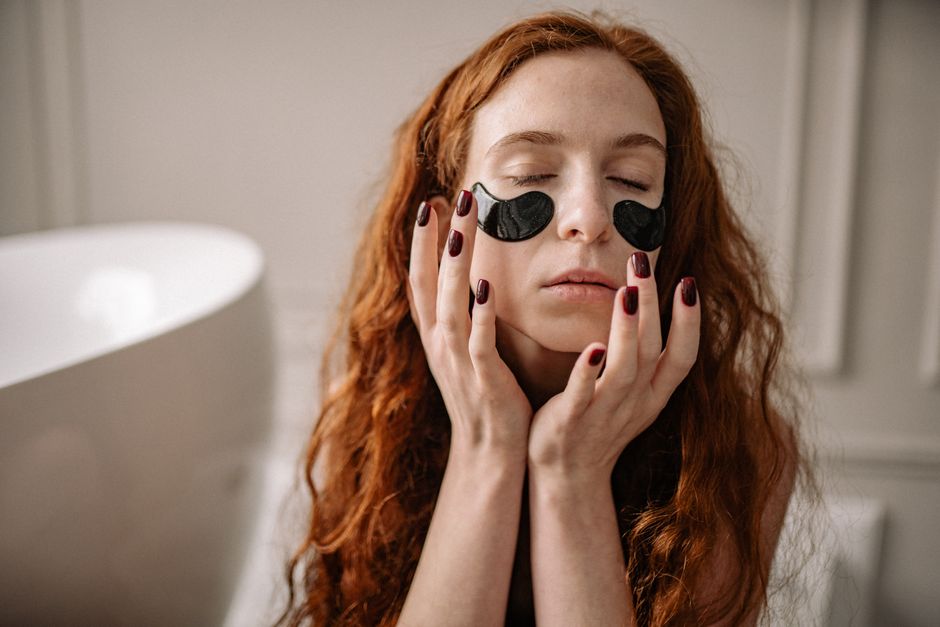
Puffiness under the eyes is usually fluid retention, not fat. The skin there is thin and delicate, so it shows swelling quickly. You can reduce the look of fluid under your eyes with cold compresses, gentle massage, and simple lifestyle changes. These methods work by moving the fluid away from the area and preventing it from pooling in the first place.
What Causes Fluid to Pool Under the Eyes?
Fluid gathers under the eyes for several reasons. Some are temporary and harmless. Others point to a health issue worth checking.
The most common cause is simply gravity and time. During the day, fluid moves down. When you lie flat to sleep, fluid can collect in the loose tissues around your eyes. This is why many people wake up with puffy eyes that improve after being upright for a few hours.
Salt is another major factor. A high-sodium meal pulls water into your tissues. If you ate salty food the night before, you will likely see it in your face the next morning. Alcohol has a similar effect because it dehydrates you, and your body holds onto water to compensate.
Allergies are a frequent cause too. Histamine release makes blood vessels leak fluid into surrounding tissue. If your eyes are puffy and itchy, allergies may be the reason. Lack of sleep also matters — it changes blood flow and fluid balance around the eyes.
As you age, the tissues and muscles around your eyes weaken. Skin gets thinner and less elastic. This makes fluid retention more visible even when the amount of fluid has not changed.
How To Get Rid of Fluid Under Eyes Tips That Work Fast
Cold is the fastest way to reduce under-eye puffiness. Cold constricts blood vessels and reduces fluid leakage into the tissue. It will not fix the underlying cause, but it will visibly reduce swelling within minutes.
A cold compress works well. Wrap an ice cube in a clean cloth, or use a chilled gel mask. Apply for 5 to 10 minutes. Do not place ice directly on the skin — the eye area is sensitive and ice can damage it.
Chilled spoons are a simple home trick. Put two metal spoons in the refrigerator for 10 minutes. Place the backs against your closed eyes. The cold shape fits the eye contour nicely.
Caffeinated eye creams are another option. Caffeine is a vasoconstrictor, meaning it narrows blood vessels. Some research suggests caffeine applied topically can reduce puffiness. The effect is modest but real.
Gentle massage helps drain fluid. Use your ring finger — it applies the least pressure — and tap lightly from the inner corner of the eye outward toward your temples. This follows the natural lymphatic drainage pathway. Do this for 30 to 60 seconds.
Elevating your head while sleeping can prevent morning puffiness. An extra pillow raises your head above your heart, which helps fluid drain away from your face during the night.
Lifestyle Changes That Prevent Under-Eye Fluid
Prevention matters more than treatment. If you wake up puffy most mornings, look at your evening habits.
Reduce salt intake, especially in the evening. Processed foods, canned soups, and restaurant meals are often loaded with sodium. The American Heart Association recommends limiting sodium to no more than 2,300 milligrams per day, with an ideal limit of 1,500 milligrams for most adults. Cutting back on evening salt can noticeably reduce morning puffiness.
Stay hydrated. When you are dehydrated, your body holds onto water. Drinking enough water throughout the day tells your body it does not need to store fluid. Aim for the general guideline of about 8 cups (64 ounces) daily, adjusting for activity level and climate.
Limit alcohol, especially close to bedtime. Alcohol dehydrates you and disrupts sleep, both of which contribute to under-eye fluid. If you drink, have water alongside and give your body time to rehydrate before sleep.
Manage allergies. If allergies cause your puffiness, an antihistamine may help. Some clinicians recommend a daily nonsedating antihistamine during allergy season. Talk to your doctor about what fits your situation.
Get consistent sleep. Most adults need 7 to 9 hours per night. Sleep deprivation changes fluid regulation and blood flow, making under-eye puffiness worse. Consistent sleep timing matters as much as duration.




When Under-Eye Swelling Signals a Health Problem
Most under-eye puffiness is cosmetic and temporary. But sometimes it signals something more serious.
See a doctor if the swelling is sudden, severe, or painful. Swelling in one eye only can indicate an infection or injury. Redness, warmth, or discharge along with swelling needs medical attention.
Under-eye swelling can be a sign of kidney problems. Your kidneys filter fluid from your body. When they do not work well, fluid builds up — often first visible in the face and around the eyes. Other signs include swelling in the legs and ankles, foamy urine, or difficulty urinating.
Thyroid disease can also cause puffy eyes. Hypothyroidism slows your metabolism and can cause fluid retention throughout the body. If you have fatigue, weight gain, dry skin, or hair thinning along with puffy eyes, mention it to your doctor.
Some medications cause fluid retention. Certain blood pressure medications, steroids, and antidepressants can lead to swelling. If your puffiness started after beginning a new medication, talk to your prescriber. Do not stop a medication without medical guidance.
A severe allergic reaction can cause facial swelling. If your eyes swell suddenly along with difficulty breathing, hives, or throat tightness, seek emergency care immediately.
Do Under-Eye Patches and Tools Actually Work?
The market is full of products promising to eliminate under-eye bags. Some work modestly. Most do not live up to their claims.
Under-eye patches are hydrogel or fabric pads soaked in serum. They provide hydration and a temporary plumping effect. Many contain caffeine or botanical extracts that may temporarily constrict vessels. The effect lasts a few hours at most. No clinical evidence confirms long-term improvement from these products.
Jade rollers and gua sha tools are popular for facial massage. They can help move fluid through lymphatic drainage when used correctly. The benefit comes from the massage itself, not the tool. Your fingers work just as well.
LED light therapy masks claim to stimulate collagen and reduce puffiness. Some research supports red light therapy for skin health, but studies specific to under-eye puffiness are limited. The devices are expensive, and results vary.
Be wary of any product promising dramatic or permanent results. The skin under your eyes is thin and prone to showing fluid. No cream or device can permanently change that anatomy.
Medical Treatments for Persistent Under-Eye Puffiness
When home remedies do not help and puffiness is persistent, medical options exist. These are not for everyone — they are procedures performed by qualified providers.
Some dermatologists offer radiofrequency treatments or laser therapy. These aim to tighten skin and improve collagen. Results vary, and multiple sessions are typically needed. The evidence for these treatments on under-eye puffiness specifically is mixed.
Injectable fillers can address hollow under-eyes, which sometimes make puffiness look worse. A skilled provider can place filler to smooth the transition between the lower eyelid and cheek. This is a temporary solution — fillers last months to a couple of years depending on the product.
In severe cases, surgery may be an option. Blepharoplasty removes excess fat and skin from the eyelids. This is a real surgical procedure with risks, including infection, bleeding, and dry eyes. It is not a first-line treatment.
No clinical guidelines currently exist for choosing between these cosmetic procedures for under-eye puffiness. Results depend heavily on the skill of the provider and the specific anatomy of your face. Get a thorough evaluation before considering any procedure.
Frequently Asked Questions
How long does it take for under-eye fluid to go away?
Mild puffiness from sleep or diet usually improves within a few hours of being upright. Cold compresses can speed this up to 10 to 15 minutes.
Is it safe to put ice directly on under-eye bags?
No. Ice applied directly to the thin skin around the eyes can cause frostbite or damage. Always wrap ice in a clean cloth or use a chilled gel mask.
Does drinking more water reduce under-eye puffiness?
Yes, for many people. Dehydration causes your body to hold onto fluid, so staying well hydrated can reduce overall fluid retention.
Can allergies cause fluid under the eyes?
Yes. Allergies release histamine, which makes blood vessels leak fluid into the tissue around the eyes. Antihistamines can help if allergies are the cause.
