
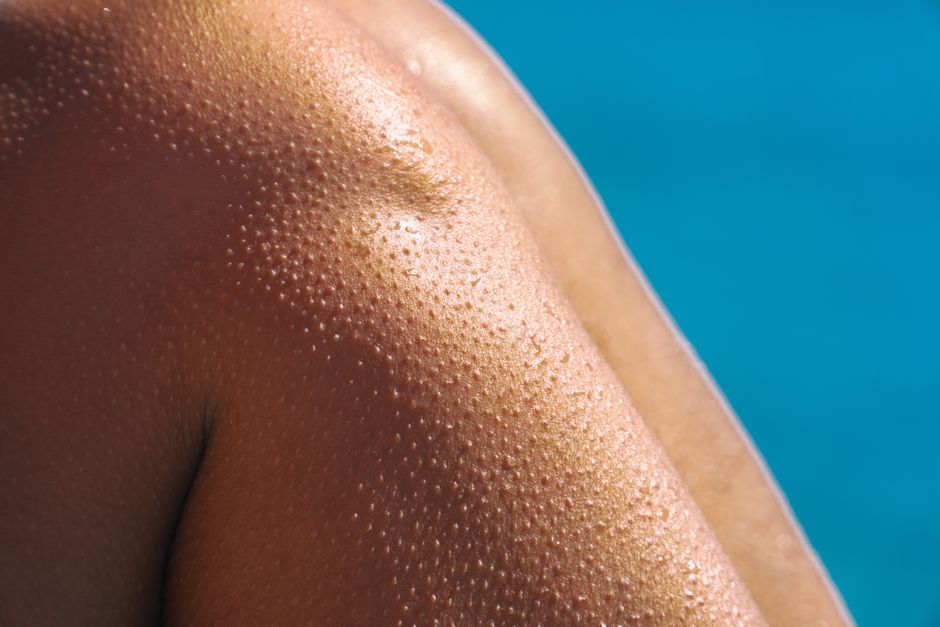
You can’t stop the flaking once it starts. The skin is already dead and shedding. What you can do is keep it from getting worse, protect the raw skin underneath, and avoid the mistakes that cause infection or scarring. The flaking stage of a sunburn usually begins a few days after the burn and can last for about a week.
Why Does Sunburned Skin Peel and Flake?
Sunburn is a radiation injury. Ultraviolet light from the sun damages the DNA in your skin cells and triggers inflammation. When the damage is severe enough, the cells can no longer repair themselves and die. That process is called apoptosis.
The flaking you see is your body clearing out dead cells from the top layer of skin, the epidermis. It’s a cleanup operation. New skin is already forming underneath while the damaged layer lifts away. This is why picking at peeling skin is a bad idea — you’re pulling off the protective layer before the new one is ready.
The redness, warmth, and pain of a sunburn come from increased blood flow and inflammation in the deeper layers. By the time flaking starts, the acute inflammation is usually fading. The flaking itself is not a sign of ongoing damage. It’s a sign of healing.
One thing worth knowing: a sunburn that peels means the damage reached the point of cell death. Every peeling sunburn raises your lifetime risk of skin cancer. That’s not a reason to panic, but it is a reason to take future sun protection seriously.
What Should You Do While Your Skin Is Flaking?
Keep the area moisturized. Dry skin flakes more and cracks more easily. A plain, fragrance-free moisturizer applied two to three times a day helps the dead layer come off in smaller, less irritating pieces. Petroleum jelly works well for healing skin because it holds moisture in.
Avoid products with alcohol, fragrance, or exfoliating acids. These irritate skin that is already compromised. “Cooling” gels that contain menthol or alcohol can feel soothing at first and then sting. Read labels.
Don’t scrub, exfoliate, or use a loofah. Mechanical exfoliation on healing sunburned skin can tear the new layer underneath and increase the risk of infection. Let the flakes come off on their own.
Don’t pick. This is the single most common mistake people make. Picking can pull off skin that isn’t ready to detach, leaving raw tissue exposed. That raw tissue is a doorway for bacteria.
Take cool or lukewarm showers, not hot ones. Hot water strips oils and makes skin drier. Pat dry with a soft towel instead of rubbing.
Drink water. Sunburn draws fluid to the skin surface and away from the rest of your body. Staying hydrated supports normal healing. There’s no specific amount that’s been proven to speed peeling, but dehydration makes everything worse.
Does Aloe Vera Actually Help?
Aloe vera gel is widely used for sunburn and has been for a long time. Some studies suggest it can reduce inflammation and support wound healing, but the evidence is not strong enough to call it a proven treatment for sunburn peeling specifically.
What aloe does do reliably is provide moisture and a cooling sensation. That’s not nothing. Comfort matters when you’re healing. If it helps you feel better and doesn’t irritate your skin, using it is reasonable.
One caution: many commercial aloe products contain alcohol, fragrance, or lidocaine. Those ingredients can irritate healing skin. Plain aloe gel from the plant, or a product with short and simple ingredients, is a better choice.
What about other home remedies? Cold compresses help with pain and heat. Oatmeal baths may soothe irritation. Neither has strong evidence for speeding up the peeling process itself. They’re comfort measures, not treatments.
When Is Flaking a Sign of Something More Serious?
Most sunburn peeling resolves on its own within about a week. Some situations need medical attention.
- Blistering that covers a large area of your body
- Signs of infection: increasing redness, swelling, warmth, pus, or a foul smell
- Fever, chills, or feeling generally unwell
- Severe pain that isn’t improving
- Dizziness, confusion, or fainting
Blistering sunburns are considered a medical concern because they indicate deeper tissue damage and carry a higher risk of infection and dehydration. If you have a blistering sunburn over a large area, or any signs of infection, contact a healthcare provider.
Second-degree burns from the sun are possible. These go beyond the surface layer and can look like a typical burn with blisters and deep redness. They need medical evaluation, not home care.
How Long Does the Flaking Last?
Sunburn flaking typically starts two to three days after sun exposure and lasts for several days to about a week. The timeline depends on how severe the burn was and how well you care for your skin while it heals.
If flaking continues beyond two weeks, or if the skin underneath looks raw, weepy, or increasingly red, that’s a reason to see a doctor. Normal healing should show gradual improvement, not worsening.
People with darker skin tones may notice less visible peeling because the contrast between dead and new skin is lower. That doesn’t mean the damage didn’t happen. Sunburn affects all skin types, though the risk of skin cancer varies.
How Do You Prevent This From Happening Again?
Prevention is the only reliable way to avoid peeling. Once a sunburn has occurred, nothing reverses the damage or stops the peeling that follows.
Use broad-spectrum sunscreen with an SPF of 30 or higher. Apply it generously and reapply every two hours, or more often if you’re swimming or sweating. Most people apply far less than the amount used in testing, which means real-world protection is lower than the label suggests.
Seek shade during peak sun hours, generally between 10 a.m. and 4 p.m. Wear protective clothing, a wide-brimmed hat, and sunglasses. These measures work. They are not optional extras.
Avoid tanning beds. They emit ultraviolet radiation and are classified as carcinogenic to humans. There is no safe level of UV exposure from tanning beds.
If you take medications that increase sun sensitivity — some antibiotics, diuretics, and acne treatments are common examples — ask your pharmacist about precautions. This is a real and often overlooked risk factor.
What About the Skin Underneath?
The new skin revealed after peeling is often pink, sensitive, and more vulnerable to sun damage. It needs protection. Treat it like a fresh wound for at least a week or two after the flaking stops.
Keep it moisturized. Keep it covered or use sunscreen if you’ll be outside. Avoid harsh products. Don’t scrub it.
Some people notice that the new skin is slightly lighter or darker than the surrounding area. This usually evens out over time. If you notice a persistent change in skin color, a new mole, or a sore that doesn’t heal, have it checked by a dermatologist. Those can be signs of skin damage that needs evaluation.
Frequently Asked Questions
How long does sunburn peeling last?
Sunburn peeling usually starts two to three days after the burn and lasts about a week. If it continues beyond two weeks or the skin looks infected, see a doctor.
Should I peel off flaking skin from a sunburn?
No. Picking or pulling at flaking skin can tear the new layer underneath and raise the risk of infection. Let it come off on its own.
What is the fastest way to heal peeling skin from sunburn?
There is no way to speed up the peeling process itself. Keeping the skin moisturized, staying hydrated, and avoiding picking supports normal healing.
Can sunburn peeling cause scarring?
Mild sunburn peeling generally does not cause scarring. Picking at the skin or getting an infection can increase the risk of scarring and should be avoided.
