
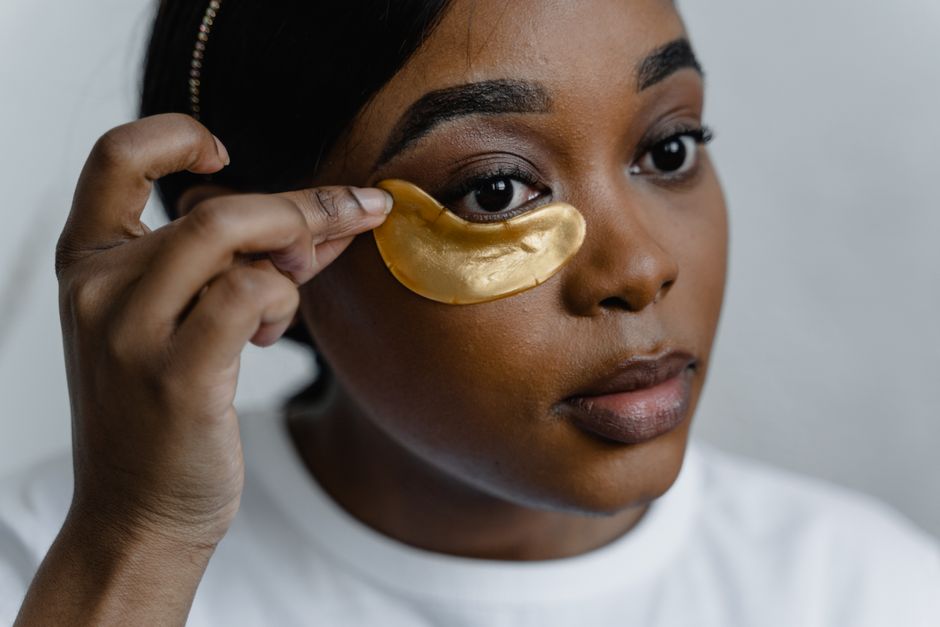
Eye bags and dark circles are two of the most common cosmetic concerns, but they are not the same thing, and they do not respond to the same treatments. Eye bags are usually caused by fat pockets pushing forward under the lower eyelids. Dark circles are often the result of thinning skin, visible blood vessels, or pigment. Some treatments genuinely work. Many products sold for this problem do almost nothing. Here is what the evidence actually says about reducing the appearance of both.
What Actually Causes Eye Bags and Dark Circles?
Eye bags are mostly about anatomy and aging. The skin around your eyes is the thinnest on your body. As you get older, the muscles and tissues that hold fat in place weaken. The fat pads that cushion your eyes then push forward. This creates a puffy or baggy look. The American Academy of Ophthalmology explains that this is a normal part of aging for many people.
Dark circles have several possible causes. The most common is visible blood vessels through thin under-eye skin. When the skin is very thin, the dark blood inside the veins shows through. This creates a bluish or purplish tint. Some people have extra pigment in that area, which looks brown or gray. That is more common in people with darker skin tones. Allergies and sinus congestion can also make dark circles worse by causing blood to pool under the eyes.
Lack of sleep makes both conditions look worse, but it does not cause them. Sleep deprivation dilates blood vessels and makes skin paler, which makes dark circles more noticeable. It also causes fluid to pool under the eyes, making bags look bigger. But fixing your sleep will not reverse structural fat pads or permanently thin skin.
How To Get Rid Of Eye Bags And Dark Circles With Lifestyle Changes
Sleep position matters more than most people realize. Sleeping on your back with your head slightly elevated prevents fluid from pooling under your eyes overnight. If you sleep on your stomach or side, gravity pulls fluid into the lower eyelids. A simple extra pillow can make a visible difference by morning.
Salt intake directly affects under-eye puffiness. Sodium causes your body to retain water. That extra fluid tends to settle in the soft tissue under your eyes because the skin is so thin there. Cutting back on processed foods and salty snacks can reduce morning puffiness within a few days. The effect is temporary but real.
Allergy management is often overlooked. Seasonal allergies cause inflammation and fluid retention around the eyes. Antihistamines can reduce this. A 2018 study in the Journal of Cosmetic Dermatology found that treating allergic rhinitis improved dark circles in patients who had both conditions. If your dark circles get worse during pollen season, allergies may be the root cause.
Cold compresses work for acute puffiness. The cold constricts blood vessels and reduces fluid buildup. A clean cloth soaked in cold water or chilled cucumber slices placed over closed eyes for ten minutes can temporarily shrink bags. The effect lasts a few hours. This is a short-term fix, not a solution.
What Do Under-Eye Creams Actually Do?
The market for under-eye creams is enormous, but the evidence for most ingredients is weak. Caffeine is one of the few ingredients with some support. Research published in the International Journal of Cosmetic Science found that caffeine applied topically can temporarily constrict blood vessels and reduce fluid retention. This can make dark circles and puffiness less visible for a few hours. The effect wears off.
Vitamin C is another common ingredient. It can help with dark circles caused by pigment, but only if you use it consistently for months. Vitamin C inhibits melanin production. A 2020 review in the Journal of Clinical and Aesthetic Dermatology noted that vitamin C serums can lighten hyperpigmentation around the eyes, but results are modest and slow. It does nothing for bags or vascular dark circles.
Retinoids are sometimes recommended for under-eye skin. They stimulate collagen production, which can thicken the skin over time. Thicker skin hides dark blood vessels better. But retinoids are irritating. The skin around the eyes is especially sensitive. Many people develop redness, peeling, or stinging. If you try a retinoid, use a very low concentration and apply it only twice per week at first.
Most under-eye creams are overpriced moisturizers. A 2019 analysis by Consumer Reports tested 12 popular under-eye products. They found that none produced measurable improvement in bags or dark circles beyond what a basic moisturizer did. The texture of the cream can temporarily plump the skin and make lines less visible, but that is not the same as treating the underlying problem.





Medical Treatments That Have Real Evidence
For people who want more than temporary results, medical procedures offer the best options. The table below compares the most common treatments based on what the research shows.
| Treatment | Target | Evidence Level | Typical Results |
|---|---|---|---|
| Blepharoplasty (eyelid surgery) | Eye bags | Strong — multiple studies confirm effectiveness | Permanent removal of excess fat and skin |
| Dermal fillers | Dark circles from hollowing | Moderate — some studies show improvement for 6-12 months | Fills the tear trough, reduces shadowing |
| Laser resurfacing | Dark circles from pigment or thin skin | Moderate — results vary by skin type | Thickens skin, reduces pigmentation |
| Chemical peels | Dark circles from pigment | Weak — limited studies on under-eye area | Mild lightening of pigment |
| Microneedling | Dark circles from thin skin | Weak — small studies, mixed results | Possible collagen stimulation |
Blepharoplasty is the only treatment that permanently removes eye bags. A surgeon makes a small incision inside the lower eyelid or just below the lashes and removes or repositions the fat pads. A 2021 study in JAMA Facial Plastic Surgery followed 200 patients for five years after surgery. 94 percent reported significant improvement in appearance. Recovery takes one to two weeks. Risks include dry eyes, scarring, and difficulty closing the eyes fully.
Dermal fillers work for a specific type of dark circle. If you have a hollow or sunken appearance under your eyes, also called a tear trough deformity, fillers can smooth that area. This reduces the shadow that makes dark circles look worse. Hyaluronic acid fillers like Restylane are common. Results last six to twelve months. The procedure carries risks including lumps, bruising, and rare but serious vascular complications if the filler is injected into a blood vessel.
Laser treatments target pigment and skin thickness. Fractional lasers create tiny injuries in the skin that stimulate collagen production. This can thicken the skin and lighten dark pigment. A 2020 study in Dermatologic Surgery found that patients who received three sessions of fractional laser showed a 50 percent reduction in dark circle severity after six months. Results are not permanent. Maintenance sessions are needed every year or two.
What Absolutely Does Not Work
Many viral remedies for eye bags and dark circles have no evidence behind them. Witch hazel is often recommended as a natural astringent. It can actually irritate the thin skin under the eyes and make puffiness worse. A 2017 review in Contact Dermatitis found that witch hazel is a common contact allergen. Applying it near your eyes risks inflammation and redness.
Tea bags are another popular home remedy. The caffeine in tea can constrict blood vessels, which sounds helpful. But the effect is minimal and short-lived. The real risk is introducing bacteria from the tea bag into your eye area. Tea bags are not sterile. Using them repeatedly can cause infections or irritation.
Hemorrhoid creams are sometimes used under the eyes because they constrict blood vessels. This is dangerous. The skin around the eyes is much thinner than the skin they are designed for. The active ingredients can cause severe irritation, thinning of the skin, and even eye damage if they get into the eye. The FDA has not approved any hemorrhoid cream for cosmetic use. Do not use them on your face.
Facial exercises and eye massages are widely promoted online. The idea is that strengthening muscles will lift the skin and reduce bags. There is no evidence this works. A 2018 study in the Journal of the American Academy of Dermatology tested facial exercises on 27 women over 20 weeks. They found no change in under-eye bags or dark circles. The skin does not tighten like a muscle. Exercise cannot fix loose skin or displaced fat.
How to Choose What to Try First
Start by figuring out what you actually have. Look in a mirror under natural light. Pull the skin under your eye gently downward. If the dark color stays the same, it is likely pigment. If it fades or changes, it is likely blood vessels showing through. If you have puffiness that does not change much throughout the day, you probably have fat pads.
For mild puffiness from fluid retention, lifestyle changes are the first step. Elevate your head while sleeping. Cut salt intake. Use a cold compress in the morning. These are free, safe, and can produce noticeable improvement within days. If that is not enough, a caffeine-based eye cream might help temporarily.
For dark circles from visible blood vessels, the most effective non-medical option is a color-correcting concealer. Peach or orange tones cancel out the blue or purple color. This is not a treatment, but it works instantly. For pigment-based dark circles, a vitamin C serum used daily for three to six months may produce modest lightening.
For structural eye bags or deep hollows, lifestyle changes and creams will not fix the problem. If the appearance bothers you enough, a consultation with a board-certified dermatologist or plastic surgeon is the next step. They can tell you if you are a candidate for blepharoplasty or fillers. Do not go to a med spa for these procedures. See a medical doctor.
Frequently Asked Questions
Can ice cubes get rid of eye bags permanently?
No. Ice cubes temporarily constrict blood vessels and reduce puffiness for a few hours. They do not change the underlying fat or skin structure.
Do eye masks help with dark circles?
Hydrogel eye masks hydrate the skin temporarily, which can make fine lines less visible. They do not treat the causes of dark circles like pigment or thin skin.
Is surgery the only way to remove eye bags?
Blepharoplasty is the only treatment that permanently removes excess fat causing eye bags. Non-surgical options only reduce the appearance temporarily.
Can lack of sleep cause permanent dark circles?
No. Sleep deprivation makes dark circles more noticeable by dilating blood vessels and paler skin, but the effect reverses with adequate rest.
