
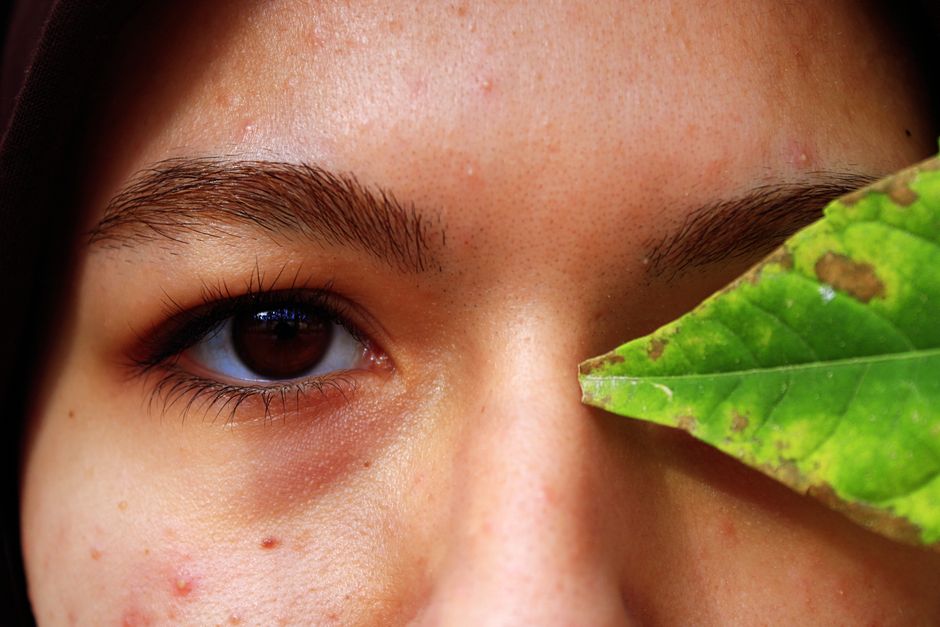
Dry, flaky skin on your eyelids is common, and it usually has a specific cause you can identify. The fix depends on what is driving it — most often it is either eyelid dermatitis (irritation or allergy) or blepharitis (inflammation of the eyelid margin). Moisturizing helps symptoms, but lasting relief comes from removing the trigger or treating the underlying condition. This guide explains why eyelid skin dries out and what actually helps.
Why Does The Skin On Your Eyelids Dry Out So Easily?
Eyelid skin is the thinnest skin on the human body. It is roughly a few cell layers thick, compared with the much thicker skin on your palms or soles. That thinness is why the eyelids react faster and more visibly than almost anywhere else.
There is very little subcutaneous fat under eyelid skin, and few oil glands compared with the rest of your face. The skin barrier here is delicate. When it is stripped of moisture or oils, it loses water quickly and becomes red, tight, and flaky.
Another factor: whatever touches your eyelids tends to stay there. Makeup, cleanser, moisturizer, and airborne particles all sit against thin skin for hours. That makes the eyelids a common site for contact reactions.
This is why a product that causes no problem on your cheek can cause a rash on your eyelid. The same ingredient, on thinner skin, produces a stronger response.
How To Get Rid Of Dry Eyelids Causes Fixes
Start by figuring out whether your dry eyelids are caused by irritation, allergy, infection, or a skin condition. The treatment is different for each, and using the wrong one can make things worse.
If it is irritation or contact dermatitis
Contact dermatitis is the most common cause of dry, scaly eyelids. It happens when something irritates the skin (irritant contact dermatitis) or triggers an allergic reaction (allergic contact dermatitis).
The fix is to identify and stop using the offending product. This sounds simple but is often the hardest step, because the culprit may be something you have used for years. Allergies can develop to a product you previously tolerated.
Common triggers include:
- Nail polish and nail polish remover (a frequent cause of eyelid reactions, because you touch your eyes with your fingers)
- Mascara, eyeliner, and eyeshadow, especially waterproof and long-wear formulas
- Makeup removers, cleansers, and facial toners
- Sunscreen and moisturizers
- Shampoo, conditioner, and hair dye
- Fragrances and preservatives in skin products
- Airborne allergens such as pollen, dust, and pet dander
A useful approach is to stop all products on and around the eyes for a period, then reintroduce one at a time. If the rash returns when you restart a specific product, you have your answer.
For symptom relief, plain petroleum jelly is often recommended. It is simple, has few ingredients, and helps hold moisture in the skin. Some clinicians suggest it as a safe option for the eyelid area because it contains no fragrances or preservatives that commonly trigger reactions.
If it is blepharitis
Blepharitis is inflammation of the eyelid margins — the edges where your eyelashes grow. It causes crusting, flaking, redness, and a gritty or burning feeling in the eyes.
Blepharitis is often linked to oil gland dysfunction at the lid margin or to skin conditions like seborrheic dermatitis. It tends to be chronic and comes and goes.
Standard management focuses on eyelid hygiene. This is widely recommended by eye care professionals, though the strength of trial evidence varies. Typical steps include:
- Warm compresses applied to closed eyelids to loosen crusts and oils
- Gentle cleaning of the lid margins with a warm, damp cloth or a commercially available eyelid wipe
- Doing this consistently rather than only during flare-ups
If symptoms do not improve with hygiene, a clinician may recommend other measures. Do not use medicated eye drops or ointments on your own without guidance, especially steroid preparations, which can raise eye pressure and cause other problems if used incorrectly.
If it is a skin condition like eczema or seborrheic dermatitis
Atopic dermatitis (eczema) and seborrheic dermatitis can both affect the eyelids. Seborrheic dermatitis tends to produce greasy, yellowish scales and often appears on the eyebrows and scalp too.
These conditions usually need ongoing management rather than a one-time fix. A dermatologist can confirm the diagnosis and discuss treatment options. Some cases respond to prescription creams, but the eyelid area requires careful product selection because thin skin absorbs more and is more prone to side effects from certain medications.
What Everyday Habits Make Dry Eyelids Worse?
Several common habits strip moisture from eyelid skin or add irritation. Changing them can make a real difference.
Over-cleansing. Washing your face too often, or using harsh soaps and exfoliants near the eyes, damages the skin barrier. Once or twice daily with a gentle cleanser is generally enough for most people.
Hot water. Hot showers and hot compresses feel soothing but can dry skin further. Lukewarm water is gentler.
Rubbing your eyes. Rubbing stretches thin eyelid skin and worsens irritation. It also introduces bacteria and can aggravate underlying conditions.
Long-wear and waterproof eye makeup. These formulas are harder to remove, so people scrub more, which irritates the skin. They also trap debris against the lid margin.
Not removing makeup fully. Leftover makeup can clog oil glands at the lid margin and contribute to blepharitis.
Dry indoor air. Low humidity, common in heated homes in winter, pulls moisture from skin. A humidifier may help some people.
Contact lenses. Lens solutions and the lenses themselves can trigger reactions in some people.





When Should You See A Doctor About Dry Eyelids?
Most mild cases of dry eyelids improve with trigger removal and gentle care. See a clinician if any of the following apply:
- The skin is cracked, bleeding, or oozing
- You have pain, significant swelling, or a change in vision
- One eye is affected and getting worse
- Symptoms persist for several weeks despite removing potential triggers
- You have redness spreading beyond the eyelid
- You have a history of eye surgery, glaucoma, or a weakened immune system
A doctor can help distinguish between conditions that look similar but need different treatment. For example, blepharitis, contact dermatitis, and seborrheic dermatitis can all cause flaking around the eyes, and telling them apart sometimes requires an exam.
An eye doctor or dermatologist may also perform patch testing if an allergy is suspected. This involves applying small amounts of common allergens to your back and checking for reactions over a few days. It can identify a specific trigger when the cause is not obvious.
What Actually Helps Eyelid Skin Heal?
Once the trigger is removed or the underlying condition is treated, the skin barrier needs time to repair. This typically takes days to a few weeks, depending on how irritated the skin became.
Gentle moisturizing supports that repair. Plain, fragrance-free products with few ingredients are the safest choice for the eyelid area. Petroleum jelly is a common starting point. Some people do well with simple ceramide-containing creams, though any product can cause a reaction in a sensitive person.
Avoid products marketed as “soothing” or “natural” for the eyes unless you have checked the ingredients. Botanical extracts and essential oils are frequent causes of allergic contact dermatitis on the eyelids. “Natural” does not mean hypoallergenic.
Do not apply strong exfoliants, retinoids, or acids to the eyelid area. These ingredients are designed for thicker skin and can badly irritate the eyelids.
If your eyelids are dry because of an allergy, the fix is avoidance, not a cream. No moisturizer will override an ongoing allergic reaction.
Is Dry Eyelid Skin A Sign Of Something More Serious?
In most cases, dry eyelids are not a sign of a serious systemic disease. They are a local skin issue.
That said, persistent eyelid inflammation that does not respond to treatment should be evaluated. In rare cases, conditions that affect the eyelids can be linked to broader health issues, and a clinician can assess whether further testing is warranted.
If you also have dry eyes, eye pain, or vision changes, mention these to your doctor. Eyelid health and eye surface health are connected, and treating one often helps the other.
Frequently Asked Questions
What causes dry flaky skin on eyelids?
The most common causes are contact dermatitis from a product touching the eyes, and blepharitis, which is inflammation of the eyelid margin. Less often, eczema or seborrheic dermatitis is responsible.
Does Vaseline help dry eyelids?
Plain petroleum jelly is often recommended because it seals in moisture and contains no fragrances or preservatives that commonly trigger eyelid reactions. It helps symptoms but does not fix an underlying cause like an allergy.
Can dry eyelids be a sign of an allergy?
Yes, allergic contact dermatitis is a frequent cause, and the trigger is often something you touch your eyes with, such as nail polish or eye makeup. Patch testing by a doctor can identify the specific allergen.
How long does it take for dry eyelids to heal?
Once the trigger is removed or the condition is treated, the skin barrier usually repairs over days to a few weeks. If symptoms persist beyond several weeks despite removing triggers, see a doctor.
