
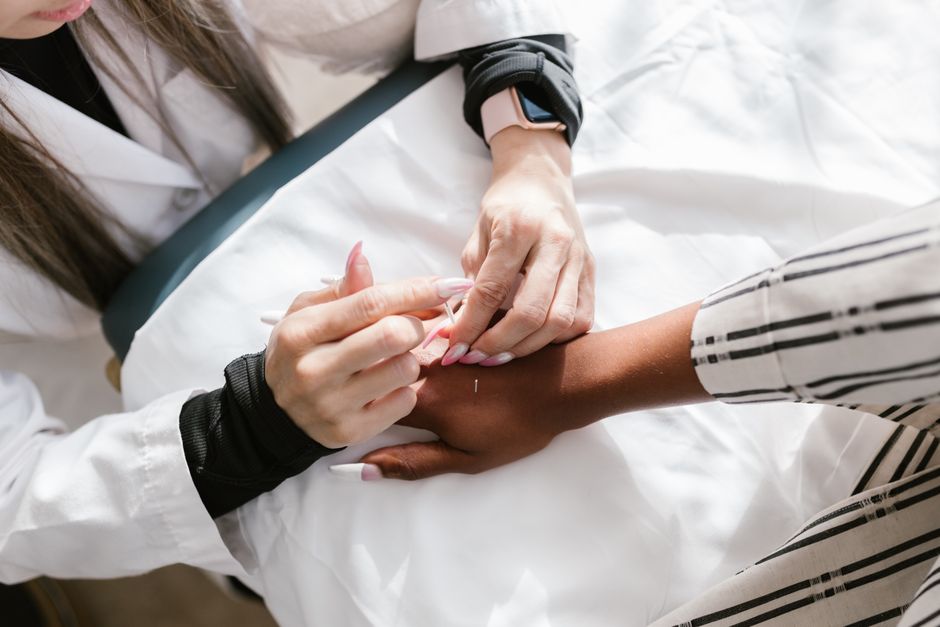
Deep painful ingrown pimples are best treated by calming the inflammation first and resisting the urge to squeeze. Most improve with warm compresses and time, but deep nodules and cysts need a dermatologist’s care because squeezing them can cause scarring and spread infection. The right approach depends on what kind of bump you actually have.
That distinction matters more than most people realize. A deep, tender lump under the skin is not the same problem as a surface whitehead, and treating them the same way is where things usually go wrong.
What Is a Deep Painful Ingrown Pimple, Exactly?
A deep painful ingrown pimple is an inflamed or infected hair follicle or pore that sits below the skin’s surface, where you cannot see a head. The medical term for this general category is acne nodule or cyst when it is part of acne, or folliculitis when a hair follicle is the source.
These bumps form when a pore or follicle becomes blocked by oil and dead skin cells, then bacteria that normally live on the skin multiply inside the blocked space. Your immune system responds with inflammation. Because the process happens deeper in the skin, you feel a hard, tender lump rather than seeing a visible pimple.
An “ingrown” hair is related but slightly different. It happens when a hair curls back into the skin or grows sideways after shaving, waxing, or friction. The body treats the trapped hair as a foreign object and reacts with redness and swelling. Ingrown hairs are common in the beard area, underarms, bikini line, and anywhere tight clothing rubs.
One clarification worth knowing: many bumps people call “deep ingrown pimples” are actually cysts, boils, or hidradenitis suppurativa, a chronic skin condition. These look similar but need different care. A dermatologist can tell them apart.
Why You Should Never Squeeze a Deep Pimple
Squeezing a deep pimple pushes bacteria and inflammation further into the skin. Unlike a surface whitehead, a deep nodule has no opening, so pressure does not release the contents. It forces them deeper and can rupture the follicle wall underneath.
When that happens, the infection can spread and the inflammation gets worse. The skin around the bump becomes more swollen and tender. Rupturing deep tissue is also one of the main ways acne leaves permanent scars and dark marks.
The face has a further concern. Pimples in the triangle from the corners of the mouth to the bridge of the nose sit near blood vessels that drain toward the brain. Doctors sometimes call this the “danger triangle.” An infection there is not automatically dangerous, but it is a reason to be especially careful and to see a doctor if a bump in that area becomes large, hot, or rapidly worsening.
Picking also delays healing. Every time you touch the bump, you add bacteria from your fingers and increase the chance of a secondary infection.
How To Get Rid Of Deep Painful Ingrown Pimples at Home
Warm compresses are the most reliable first step for a deep, tender bump. A clean washcloth soaked in warm (not hot) water and held against the area for about 10 to 15 minutes, a few times a day, can help a blocked follicle drain naturally and ease discomfort. This is standard advice because heat increases blood flow and can encourage a bump to come to a head on its own.
Keep the area clean with a gentle cleanser and lukewarm water. Avoid scrubbing, harsh exfoliants, and alcohol-based toners, which irritate skin and can make inflammation worse. Leave the bump alone between compresses.
For ingrown hairs specifically, stop shaving or waxing the area until it settles. Let the hair grow out. If a hair is visibly curling back at the surface, a clean tweezers can sometimes free it, but do not dig into the skin.
Over-the-counter treatments can help with inflammation and surface bacteria. Products containing benzoyl peroxide or salicylic acid are common, though they work better on surface acne than on deep nodules. Follow package directions. Benzoyl peroxide can bleach fabric and irritate sensitive skin, so start with a lower strength.
Some clinicians recommend applying a warm compress and then leaving the bump covered with a clean bandage to reduce friction and discourage touching. This is practical advice rather than a proven treatment, but it helps many people keep their hands off.
When to See a Doctor About a Deep Pimple
See a doctor if a deep bump is large, rapidly growing, very painful, or shows signs of infection like spreading redness, warmth, or fever. Also seek care if you have many deep nodules, if they keep coming back in the same spots, or if they leave scars.
Certain signs should prompt a prompt medical visit rather than home care:
- A bump that grows quickly or becomes hot and very tender
- Red streaks spreading from the area
- Fever or chills alongside a skin bump
- A bump in the “danger triangle” of the face that worsens
- Repeated crops of deep lumps under the arms, groin, or breasts
That last pattern can point to hidradenitis suppurativa, a chronic inflammatory skin condition that needs medical management and is often mistaken for ordinary acne. It is not caused by poor hygiene, and it does not clear up with typical acne products.
A dermatologist can drain a large cyst safely or prescribe treatments such as topical or oral antibiotics, or in some cases other medications, depending on the cause. Prescription options vary, and a clinician will match treatment to your specific situation.
Ingrown Hair vs. Deep Pimple: How to Tell the Difference
An ingrown hair and a deep pimple can look almost identical, but their causes differ and so does the best response. The table below compares the usual features.
| Feature | Ingrown Hair | Deep Acne Nodule or Cyst |
|---|---|---|
| Typical location | Shaved or waxed areas: beard, underarms, bikini line | Face, back, chest, shoulders |
| Trigger | Hair removal, friction, tight clothing | Blocked pores, oil, bacteria, hormones |
| Appearance | Small red or dark bump, sometimes a visible hair loop | Hard lump under skin, often no visible head |
| Usual care | Stop hair removal, warm compress, let hair grow | Gentle skin care, warm compress, see a doctor if deep |
Neither should be squeezed. When in doubt, treat it gently and let a doctor look at anything that is large, painful, or not improving.
How to Prevent Deep Pimples and Ingrown Hairs
Prevention focuses on reducing blocked pores and friction. For acne-prone skin, wash gently twice a day and avoid heavy, pore-clogging products. Look for labels that say “non-comedogenic,” which means the product is less likely to block pores.
For ingrown hairs, change how you remove hair. Shave in the direction the hair grows, use a clean sharp razor, and apply a lubricating shave gel. Exfoliating gently a few times a week can help prevent hairs from getting trapped, though aggressive scrubbing backfires.
Other practical steps that help:
- Avoid tight clothing that rubs the skin
- Shower after sweating to clear oil and bacteria
- Do not pick or pop bumps
- Keep bedding and towels clean
None of these guarantees you will never get a deep pimple. Acne has a strong hormonal component, and some people are simply more prone to it. But these habits reduce friction and irritation, which are things you can control.
What About Scarring and Dark Marks?
Deep pimples are more likely than surface ones to leave marks. Two types are common. Dark spots, called post-inflammatory hyperpigmentation, are flat areas of darker skin that often fade over months. True scars are textural changes, like depressions or raised areas, and are more permanent.
The single best way to reduce scarring is to avoid squeezing and to get deep nodules treated early. Once a scar forms, treatment is harder and often requires a dermatologist. Dark marks tend to fade on their own, but sun protection helps them fade faster because sun exposure can darken them further.
If you are prone to deep acne, talking to a doctor early is worth it. Preventing scars is easier than removing them.
Frequently Asked Questions
How long does a deep painful pimple take to go away?
Most surface pimples settle within a few days to about a week, but deep nodules and cysts often take longer and may need medical treatment. A bump that is growing, very painful, or not improving after a week or two should be checked by a doctor.
Can I pop a deep pimple with a sterile needle?
No, do not try to pop or lance a deep pimple at home. A deep nodule has no surface opening, so a needle can push infection deeper and increase the risk of scarring; only a clinician should drain a cyst.
What causes repeated deep painful pimples in the same spot?
Repeated deep lumps in the same areas can come from a blocked follicle that keeps refilling, or from a chronic condition like hidradenitis suppurativa. If crops of deep bumps keep returning, see a dermatologist for an accurate diagnosis.
Are deep pimples a sign of an infection?
Some deep pimples involve bacteria and mild inflammation, but not all are true infections. Signs like spreading redness, warmth, fever, or red streaks suggest infection and need prompt medical care.
