
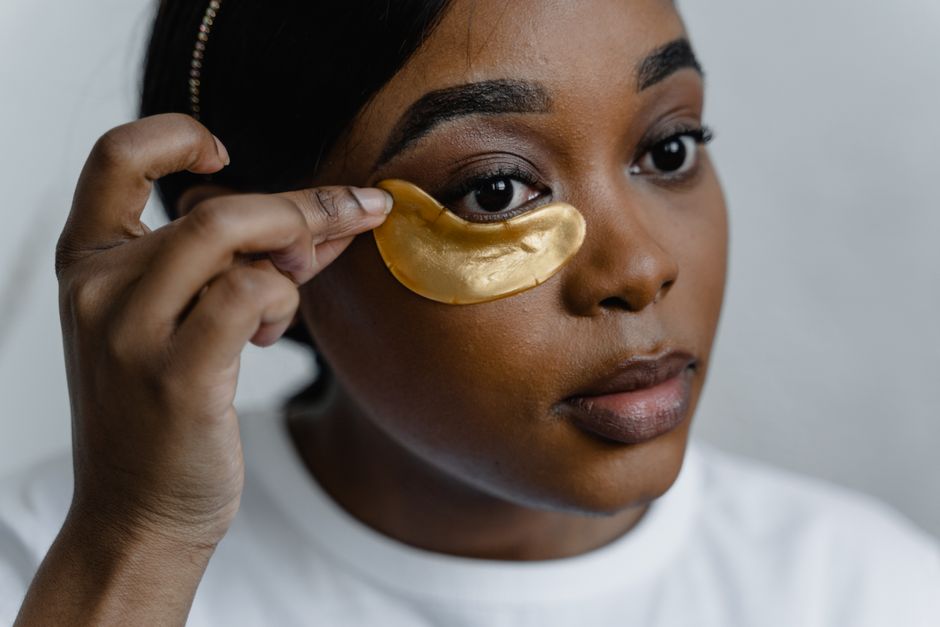
Dark circles under the eyes are one of the most common cosmetic concerns for adults. The skin around the eyes is thin, and when blood vessels show through or pigment builds up, the area looks darker. The fix depends entirely on the cause, which can range from genetics to allergies to lifestyle habits. For most people, a combination of targeted skincare, sleep changes, and addressing underlying conditions makes the biggest difference.
Why Does the Skin Under Your Eyes Look Dark?
The skin under the eyes is the thinnest skin on the body. It has fewer oil glands and less collagen than the rest of your face. This makes blood vessels and underlying structures more visible.
Darkness in this area comes from three main mechanisms. Blood pooling in tiny vessels creates a blue or purple tint. Pigment production in the skin itself creates a brown or black tone. And shadowing from puffy eyelids or hollowed tear troughs creates a gray appearance that is actually a trick of light, not a color change in the skin.
Many people have more than one cause at the same time. That is why one single cream or treatment rarely fixes everything. Identifying which type you have is the first real step toward improvement.
What Causes Darkness Around the Eyes?
Genetics play a major role. If your parents have dark circles, you are likely to have them too. Some people naturally have more melanin in the under-eye area, and some have deeper tear troughs that cast shadows.
Allergies are a common and underrecognized cause. Allergic inflammation causes blood vessels to dilate and leak fluid. This leads to both puffiness and a darker appearance. Frequent eye rubbing from allergies also breaks tiny blood vessels and can increase pigment over time.
Sleep deprivation makes blood vessels dilate and fluid accumulate. The skin becomes paler when you are tired, which makes the blood underneath more visible. This is why dark circles often look worse after a poor night of sleep.
Aging thins the skin further and reduces collagen. Fat pads under the eyes shift and shrink, creating hollows that deepen shadows. The combined effect makes dark circles more pronounced with each decade.
Sun exposure increases melanin production in the under-eye area just like anywhere else on the face. Over time, this creates a permanent brownish tint.
Other contributors include dehydration, iron deficiency, and certain medications that dilate blood vessels. Smoking accelerates collagen breakdown and makes the skin thinner and more translucent.
How To Get Rid Of Darkness Around Eyes Causes Fixes: Skincare That Works
Topical skincare can help, but only if you match the ingredient to the cause. For pigment-based dark circles, ingredients that block or reduce melanin production are the most evidence-backed options.
Vitamin C in a stable form like magnesium ascorbyl phosphate can reduce melanin production over several months. Retinoids increase cell turnover and thicken the skin, which helps mask underlying vessels. Niacinamide has been shown in some studies to reduce pigmentation and improve skin barrier function.
For blood-vessel-based dark circles, caffeine applied topically constricts blood vessels temporarily. The effect is short-lived, typically lasting a few hours, but it can reduce the appearance of puffiness and darkness for the day.
Moisturizers with ceramides and hyaluronic acid plump the skin. Plumper skin means less shadowing and less visible vessels. This is a temporary effect but can be very visible.
Consistency matters more than the specific product. Most of these ingredients take 8 to 12 weeks of daily use before a visible change occurs. No topical product will permanently eliminate dark circles, and any product that promises this is not being honest with you.





Lifestyle Changes That Reduce Dark Circles
Sleep is the most direct lifestyle factor. During deep sleep, fluid drains from the face and blood flow normalizes. Most adults need 7 to 9 hours per night. Sleeping with your head slightly elevated on an extra pillow can help fluid drain more effectively.
Allergy management is critical if allergies are your trigger. Daily antihistamines, nasal steroid sprays, and avoiding known allergens can reduce the inflammation that causes dark circles. Stopping eye rubbing is equally important. Rubbing breaks blood vessels and darkens the skin over time.
Sun protection around the eyes is non-negotiable for pigment-based dark circles. Use a broad-spectrum sunscreen with at least SPF 30 around the entire eye area every morning. Sunglasses with UV protection also help.
Hydration affects skin plumpness. Dehydration makes the skin look thinner and more translucent. Drinking enough water throughout the day helps, but it will not fix dark circles caused by genetics or aging.
Diet plays a smaller role than many sources claim. Iron deficiency anemia can cause paleness that makes dark circles more visible, but supplementing iron only helps if you are actually deficient. Getting enough vitamin K through leafy greens may help blood clotting and vessel integrity, but the evidence for topical vitamin K is limited.
Medical Treatments for Stubborn Dark Circles
When topical products and lifestyle changes are not enough, medical treatments offer more significant results. These should only be performed by board-certified dermatologists or plastic surgeons.
Chemical peels with alpha-hydroxy acids or trichloroacetic acid can reduce superficial pigmentation. A series of peels is usually needed, and results vary widely based on skin type.
Laser therapy targets pigment and blood vessels. Q-switched lasers break up melanin deposits, while vascular lasers seal dilated vessels. Multiple sessions are typically required, and downtime can range from none to several days.
Dermal fillers address hollow tear troughs. By filling the depression, the shadow disappears. This is the most effective treatment for dark circles caused by volume loss. Results last 6 to 18 months depending on the filler used.
Platelet-rich plasma (PRP) injections have become popular, but the evidence is mixed. Some studies show improvement in skin thickness and tone, while others show minimal benefit. This is not a first-line treatment.
Blepharoplasty is surgery to remove excess skin and fat pads. It is reserved for severe cases with significant puffiness or skin laxity. Recovery takes one to two weeks.
Every medical treatment carries risks. Bruising, swelling, infection, and uneven results are all possible. Unqualified practitioners offering cheap filler injections are a genuine danger. Always verify credentials and ask about the specific product being used.
What Does Not Work: Debunking Viral Myths
Cold spoons, tea bags, and cucumber slices do not permanently fix dark circles. They cause temporary vasoconstriction, which reduces the appearance of blood vessels for a few minutes to an hour. There is no evidence they change the underlying cause.
Hemorrhoid cream is sometimes recommended for dark circles. It constricts blood vessels, but the skin around the eyes is too thin for these products. They can cause irritation, peeling, and rebound redness. Do not use them on your face.
Toothpaste is dangerous around the eyes. It contains ingredients designed for teeth that severely irritate delicate eye skin. This can cause chemical burns and permanent pigment changes.
There is no evidence that any supplement marketed specifically for dark circles works. Vitamin C, iron, and vitamin K supplements only help if you have a confirmed deficiency. Otherwise, you are spending money on expensive urine.
When to See a Doctor
Dark circles are almost always a cosmetic issue, not a medical one. But there are exceptions. If dark circles appear suddenly and are accompanied by puffiness, fatigue, or shortness of breath, this could indicate kidney or thyroid problems. If they are accompanied by paleness, dizziness, or cold intolerance, iron deficiency or thyroid disease could be the cause.
Unilateral dark circles—darkness under only one eye—warrant a medical evaluation. This can indicate a vascular abnormality or other structural issue.
If you have tried consistent skincare and lifestyle changes for three months with no improvement, a dermatologist can help identify the specific cause and recommend appropriate treatment. They can also rule out conditions like eczema, which can darken the under-eye area.
Frequently Asked Questions
Can dark circles under eyes be permanently removed?
No treatment permanently removes dark circles for everyone. Fillers last months to years, laser treatments can reduce pigment long-term, and consistent skincare can maintain improvement, but genetics and aging continue to affect the area.
Does lack of sleep really cause dark circles?
Yes, but only temporarily. Sleep deprivation dilates blood vessels and causes fluid buildup, making dark circles more visible. Consistent good sleep improves the appearance, but it will not eliminate dark circles caused by genetics or aging.
Are eye creams worth the money?
Some are, but most are not. Look for creams with proven ingredients like vitamin C, retinol, niacinamide, or caffeine. A basic moisturizer with sunscreen works for many people and costs less.
What vitamin deficiency causes dark circles?
Iron deficiency anemia can make dark circles more visible because the skin becomes paler. Vitamin B12 and vitamin K deficiencies may also contribute, but these are less common. Only supplement after a blood test confirms a deficiency.
