
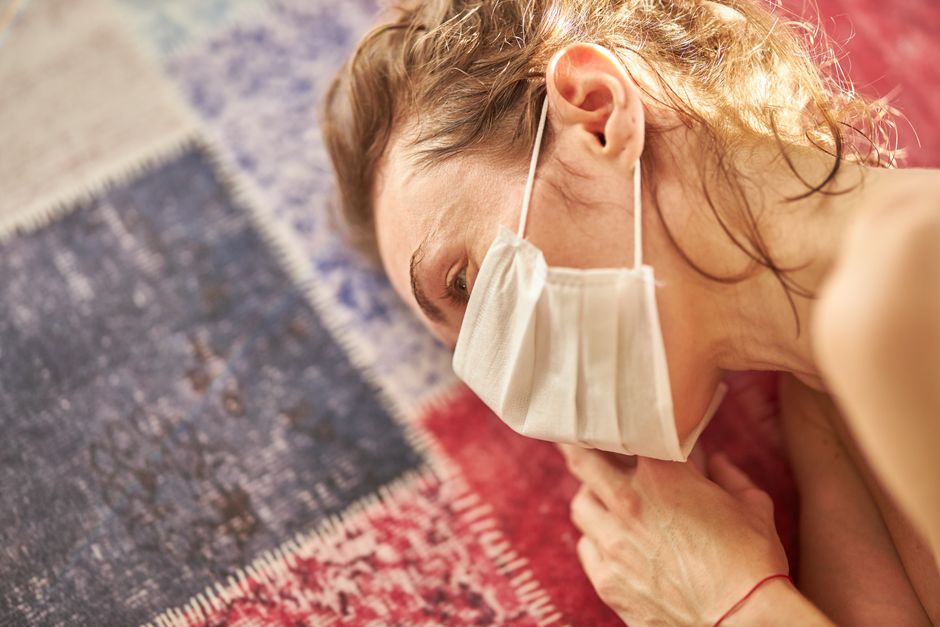
Nasal congestion after COVID-19 can linger for weeks, sometimes longer. The stuffiness happens because the virus triggers inflammation in the lining of your nasal passages and sinuses. That inflammation swells the tissue and produces extra mucus, which blocks airflow. Most people recover within a few weeks, but some experience congestion for months. The good news is that you can manage the symptoms at home. The main strategies are thinning the mucus, reducing the inflammation, and keeping your nasal passages moist.
Why Does Congestion Last After COVID-19?
COVID-19 affects the upper respiratory tract, including the nose and sinuses. The virus infects the cells lining these airways. Your immune system responds by sending white blood cells to fight the infection. This response causes inflammation.
Inflammation makes the blood vessels in your nasal passages widen. Fluid leaks into the surrounding tissue, causing swelling. The swollen tissue narrows the airway. At the same time, the mucus-producing glands work overtime. The result is a stuffy nose that does not clear easily.
In some cases, the inflammation persists even after the virus is gone. This is sometimes called post-COVID syndrome or long COVID. The tissue remains swollen and irritated. The sinuses may not drain properly, which can lead to a feeling of pressure in the face.
Understanding this mechanism matters because it explains why some treatments work better than others. Decongestants shrink the blood vessels. Saline rinses thin the mucus. Steam adds moisture. Each approach targets a different part of the problem.
How To Get Rid Of Congestion After Covid: What Works First
Start with the simplest methods that have the strongest evidence behind them. Saline nasal irrigation is the most consistently recommended approach. Using a neti pot or a squeeze bottle with sterile saline solution flushes out thick mucus and irritants. It also moistens the nasal lining.
Use distilled, sterile, or previously boiled water for any nasal rinse. Tap water that has not been boiled can contain organisms that cause serious infections. This is a well-established safety rule from public health authorities.
Steam inhalation is another simple option. Breathing in warm, moist air from a shower or a bowl of hot water can loosen mucus. The effect is temporary, but it can provide relief before bed or first thing in the morning.
Over-the-counter saline sprays work similarly to rinses but are gentler. They are safe to use multiple times a day. They do not contain medication, so there is no rebound risk.
Hydration matters more than most people realize. Drinking enough fluids keeps mucus thinner throughout your body. When you are dehydrated, mucus becomes thick and sticky. Thick mucus is harder to clear and can block the sinuses more completely.
Do Decongestants and Antihistamines Help?
Oral decongestants like pseudoephedrine can reduce swelling in the nasal passages. They work by constricting blood vessels. This opens the airway and allows mucus to drain. They are effective for short-term use.
However, oral decongestants have side effects. They can raise blood pressure and heart rate. They may cause insomnia or jitteriness. People with high blood pressure, heart disease, or glaucoma should check with a doctor before using them.
Nasal decongestant sprays such as oxymetazoline work faster and more directly. They shrink the swollen tissue within minutes. The problem is rebound congestion. If you use them for more than three consecutive days, the nasal passages can swell even worse when the spray wears off. This is called rhinitis medicamentosa. Limit nasal spray decongestants to three days or less.
Antihistamines are less helpful for COVID-related congestion unless allergies are also present. Congestion from a viral infection is driven by inflammation, not histamine. Antihistamines can dry out mucus, which may make it thicker and harder to clear. They are more useful if you have sneezing or itchy eyes alongside the stuffiness.





When To Consider a Steroid Nasal Spray
Corticosteroid nasal sprays such as fluticasone or budesonide reduce inflammation directly. They do not work instantly. It can take several days to a week of daily use to notice improvement. They are generally safe for long-term use and do not cause rebound congestion.
Some clinicians recommend steroid sprays for post-COVID congestion that lasts more than a few weeks. The logic is sound. If the problem is persistent inflammation, an anti-inflammatory medication makes biological sense. The evidence for this specific use is still developing. Some studies suggest benefit, but large controlled trials are limited.
These sprays are available over the counter in most places. They require daily use. You need to aim the spray away from the center of the nose, toward the outer wall, to avoid irritation. Rinsing the nose with saline before using the spray can improve absorption.
Is It a Sinus Infection or Just Lingering Congestion?
Sometimes post-COVID congestion becomes a bacterial sinus infection. The swollen tissue blocks the sinus openings. Fluid builds up. Bacteria can grow in that trapped fluid.
The key difference is the pattern of symptoms. Viral congestion tends to fluctuate. It may be worse in the morning and improve during the day. It often affects both sides equally.
A bacterial sinus infection usually causes more specific signs. You may have facial pain or pressure that is worse when you lean forward. The nasal discharge may become thick and discolored for more than a week. You may develop a fever. You may also notice that your symptoms improve, then suddenly worsen again. This double worsening pattern is a classic sign of a secondary infection.
If you have these symptoms, see a doctor. Bacterial sinusitis may require antibiotics. Do not assume that colored mucus alone means an infection. Viral infections can also produce thick, colored mucus as immune cells mix with the fluid.
Lifestyle Adjustments That Reduce Nasal Blockage
Sleep position affects congestion significantly. Lying flat allows blood to pool in the head, increasing pressure in the nasal tissues. Elevating your head with an extra pillow can reduce this effect. Sleeping on your side can make the lower nostril feel more congested. This is normal vascular physiology, not a sign of a worsening condition.
Humidifiers add moisture to the air. Dry air dries out the nasal lining, making mucus stickier. Keeping indoor humidity between 30 and 50 percent can help. Clean the humidifier regularly to prevent mold and bacteria growth.
Warm compresses over the forehead and cheeks can soothe sinus pressure. The warmth increases blood flow and can help loosen thick mucus. It does not cure the congestion, but it can make the discomfort more manageable.
Avoid irritants that worsen inflammation. Smoke, strong chemical odors, and very dry air can all aggravate the nasal lining. If you vape or smoke, this is a strong reason to stop while you recover.
When To See a Doctor
Most post-COVID congestion resolves on its own within a few weeks. Some people have symptoms for months. Neither situation is necessarily dangerous. But certain signs warrant medical attention.
Seek care if you have severe facial pain, a fever above 100.4°F, or symptoms that last longer than 10 days without improvement. Also see a doctor if you have difficulty breathing, chest pain, or worsening fatigue. These could indicate a more serious condition.
People with weakened immune systems, asthma, or chronic lung disease should have a lower threshold for seeking care. Congestion that blocks the sinuses can worsen underlying respiratory conditions.
If congestion persists beyond three months, an ear, nose, and throat specialist may be helpful. They can look inside your nasal passages with a small camera. This can rule out structural issues, nasal polyps, or chronic sinusitis that requires different treatment.
Frequently Asked Questions
How long does congestion last after COVID-19?
Most people feel better within two to three weeks. Some experience congestion for several months, especially if they develop long COVID symptoms.
Is it safe to use a neti pot for post-COVID congestion?
Yes, if you use sterile, distilled, or previously boiled water. Never use untreated tap water because it can contain harmful organisms.
Can I take decongestants with other COVID medications?
Check with a pharmacist or doctor first. Decongestants can interact with blood pressure medications and some antidepressants.
Does blowing my nose hard make congestion worse?
Vigorous blowing can push mucus into the sinuses and increase pressure. Blow gently, one nostril at a time, or use a saline rinse instead.
