
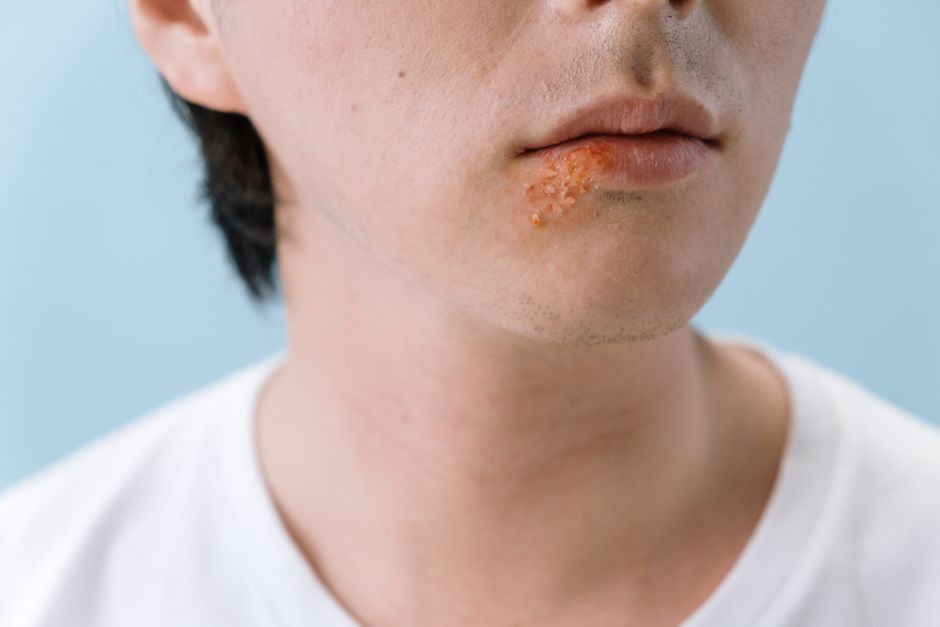
If you have a cold sore, you want it gone. Not in a week. Now. The fastest way to get rid of a cold sore is to start treatment at the first tingle. Prescription antiviral pills like valacyclovir are the most proven option. Over-the-counter creams with docosanol can help if applied early. No home remedy has strong evidence behind it, but some may offer minor relief. The key is speed. Every hour counts.
What Actually Causes a Cold Sore to Appear?
Cold sores come from the herpes simplex virus type 1 (HSV-1). Most people get this virus as children. Once you have it, it stays in your body forever. The virus lives quietly in nerve cells near your cheek or jaw. It can stay asleep for months or years. Then something wakes it up.
Common triggers include stress, illness, sun exposure, and lack of sleep. For some people, it is a cold or the flu. For others, it is a day at the beach without lip balm with SPF. Hormonal changes can also be a trigger. Once the virus reactivates, it travels down the nerve to your lip or skin. That is when you feel the telltale tingle, burn, or itch.
Research published in the New England Journal of Medicine has mapped out this process in detail. The virus moves fast. Within 24 to 48 hours of that first tingle, a blister forms. Understanding this timeline is crucial for treatment. The earlier you act, the better your chance of stopping it before the blister appears.
Does How To Get Rid Of Cold Sores Fast Proven Treatments Actually Work?
The phrase “proven treatments” matters here. Many things are claimed to work. Few have real clinical evidence behind them. The most proven treatments fall into two categories: prescription antivirals and over-the-counter antivirals. Both target the virus directly.
Prescription antiviral pills are the gold standard. Valacyclovir (brand name Valtrex) is the most common. A study in JAMA Dermatology found that a single high dose of valacyclovir taken at the first sign can shorten a cold sore by about one day. That may not sound like much, but it also reduces pain and prevents the sore from getting larger. Acyclovir is another option, though it requires more frequent dosing.
Over-the-counter docosanol cream (brand name Abreva) is the only FDA-approved non-prescription treatment for cold sores. Clinical trials show it can shorten healing time by about half a day to a full day. It works by preventing the virus from entering healthy cells. It is most effective when applied at the first tingle, five times a day.
No treatment cures the virus. No treatment guarantees it will not come back. But these two options have the strongest evidence for making an outbreak shorter and less painful. If you want fast results, these are your best bet.
What Home Remedies Have Any Real Evidence?
Home remedies for cold sores are everywhere on the internet. Most do not hold up under scrutiny. A few have some limited evidence. Let me walk through what the research actually says.
Lysine supplements are one of the most popular remedies. The idea is that lysine blocks arginine, an amino acid the virus needs to replicate. Some small studies suggest lysine may reduce the frequency of outbreaks. A review in Alternative Medicine Review found mixed results. The evidence is not strong enough to recommend it as a proven treatment. Some people report it helps them. That is a personal observation, not a clinical finding.
Lemon balm extract has some data behind it. A study in Phytomedicine found that a cream with lemon balm reduced healing time by a few days compared to placebo. The effect was modest but real. It is available in some natural health stores.
Ice is a common suggestion. Putting ice on the tingle can numb the area and may reduce inflammation. It will not kill the virus. It will not stop the blister from forming. It might make you more comfortable. That is about it.
Tea tree oil is widely claimed to help. There is no good clinical evidence that it works for cold sores. It can also irritate the skin if applied undiluted. The same goes for apple cider vinegar. People swear by it. The studies do not back it up.
Be honest with yourself. If a home remedy sounds too simple to be true, it probably is. Stick with what has evidence. Use home remedies only for comfort, not as a primary treatment.





What Should You Avoid When Treating a Cold Sore?
Some common habits make cold sores worse. Knowing what to avoid is just as important as knowing what to do.
Do not pick at the blister. This is the number one mistake. Picking opens the sore to bacteria. It can cause a secondary infection. It also spreads the virus to other parts of your lip or face. The healing time gets longer, not shorter.
Do not use harsh products. Alcohol-based mouthwashes, astringents, and strong soaps can dry the sore out too fast. This can crack the skin and cause bleeding. That slows healing. Stick to gentle cleansing with warm water.
Do not share items. Cold sores are contagious. Do not share lip balm, towels, razors, or cups. The virus can survive on surfaces for a short time. Kissing is obviously out until the sore is completely healed. The virus can spread even before the blister appears.
Do not use expired medication. Antiviral creams lose potency over time. If your tube of docosanol has been sitting in your medicine cabinet for two years, it is probably not going to work well. Check the expiration date.
Do not rely on sunscreen alone. Sun exposure is a known trigger. Sunscreen on your lips helps, but it is not a treatment. Use lip balm with SPF 30 or higher to prevent future outbreaks. It will not help a current sore heal faster.
| Treatment | Type | Evidence Level | When to Use |
|---|---|---|---|
| Valacyclovir (Valtrex) | Prescription pill | Strong | First tingle |
| Acyclovir | Prescription pill or cream | Strong | First tingle |
| Docosanol (Abreva) | OTC cream | Moderate | First tingle, five times daily |
| Lysine supplements | Oral supplement | Weak | May reduce frequency |
| Lemon balm cream | Herbal cream | Moderate | First tingle |
| Ice | Home remedy | None for healing | Comfort only |
| Tea tree oil | Home remedy | None | Avoid |
When Should You See a Doctor for a Cold Sore?
Most cold sores heal on their own in 7 to 10 days. You do not need a doctor for every outbreak. But there are times when medical help is the right call.
If you get cold sores more than six times a year, talk to your doctor. You may be a candidate for suppressive therapy. This means taking a low dose of antiviral medication every day to prevent outbreaks. A study in the Journal of Infectious Diseases found that suppressive therapy reduced outbreak frequency by 70 to 80 percent in people with frequent recurrences.
If the cold sore does not heal within two weeks, see a doctor. That could be a sign of a secondary infection or a weakened immune system. If you have a fever, swollen lymph nodes, or pain that is worse than usual, get checked.
If you have eczema or a compromised immune system, cold sores can become serious. The virus can spread to large areas of skin. This is a medical emergency. Go to urgent care or the emergency room.
If the cold sore is near your eye, see a doctor immediately. Herpes simplex virus can infect the eye. It can cause scarring and vision loss if not treated. Eye infections from HSV-1 are rare but serious.
Your doctor can prescribe valacyclovir or acyclovir. They can also give you a topical cream with higher potency than what is available over the counter. Do not wait if you fall into any of these categories.
How Can You Prevent Cold Sores From Coming Back?
Prevention is not about stopping the virus. The virus is permanent. Prevention is about managing triggers so the virus stays asleep.
Identify your personal triggers. Keep a simple log for a few months. Write down when a cold sore appears and what happened in the 48 hours before. Was it a stressful week? Did you spend a day in the sun without lip balm? Did you get sick? Patterns will emerge. Once you know your triggers, you can avoid them.
Sun protection is a big one. The American Academy of Dermatology recommends using a lip balm with SPF 30 or higher every day. Reapply it throughout the day, especially if you are outside. Sun exposure is one of the most common triggers.
Manage stress. This is easier said than done, but it matters. Stress weakens your immune system. A weakened immune system gives the virus a chance to reactivate. Exercise, sleep, and talking to someone can help. There is no magic solution.
Get enough sleep. Chronic sleep deprivation lowers immune function. Aim for 7 to 9 hours a night. If you feel a cold sore coming on and you are tired, rest. Your body needs energy to fight the virus.
Consider suppressive therapy if outbreaks are frequent. Talk to your doctor about a daily low-dose antiviral. It is safe for long-term use. The side effects are minimal. For people who get outbreaks every month or two, it can be life-changing.
Frequently Asked Questions
Can toothpaste really get rid of a cold sore?
No. There is no evidence that toothpaste helps cold sores. It can irritate the skin and make the sore worse.
How long does a cold sore last with treatment?
With prescription antivirals, a cold sore can heal in 4 to 5 days. Without treatment, it usually lasts 7 to 10 days.
Is it safe to kiss someone with a cold sore?
No. Cold sores are contagious until the scab falls off and the skin heals completely. Avoid kissing and oral contact.
Can I get a cold sore from someone who does not have a visible sore?
Yes. The virus can spread through saliva even when no sore is visible. This is called asymptomatic shedding.
