
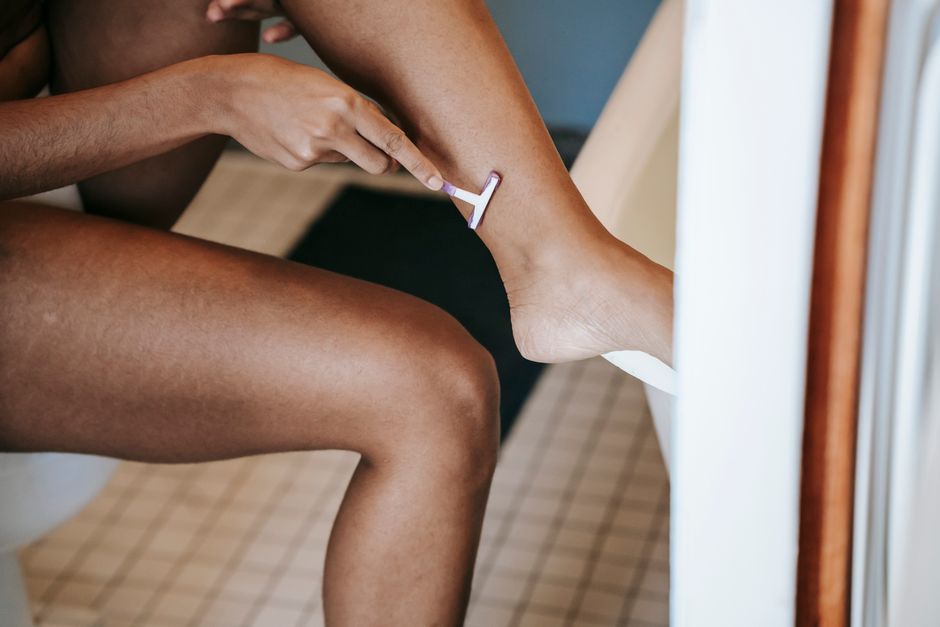
Shaving bumps are a form of irritation that happens when hair follicles get inflamed, and the fix starts with changing how you shave, not just what you shave with. Most people can reduce or clear these bumps within a few weeks by softening the hair first, shaving in the direction it grows, and using a sharp blade with light pressure. If the bumps are caused by a bacterial or fungal infection rather than simple irritation, no shaving technique will fix them — that needs a doctor.
What Are the Bumps You Get After Shaving?
The medical name for most shaving bumps is pseudofolliculitis barbae. It is an inflammatory reaction, not an infection.
When you shave, you cut hair off at or slightly below the skin surface. As that hair grows back, the sharp tip can curl and re-enter the skin next to the follicle. The body treats this as a foreign object and mounts an inflammatory response. That response is what you see and feel — a small red or dark bump around the follicle.
This is different from razor burn, which is irritation of the skin surface itself. It is also different from an infected follicle, called folliculitis, where bacteria or fungus get into the follicle and cause pus, spreading redness, or tenderness that worsens over days.
One detail matters more than most people realize: tightly curled hair is far more likely to curve back into the skin. That is why pseudofolliculitis is more common in people with coarse or curly hair, and why it can appear on the face, neck, bikini line, and underarms. Straight hair can still cause it, just less often.
Why Do Some People Get Bumps and Others Don’t?
Hair texture is the biggest factor. Curl pattern, thickness, and how fast your hair grows all influence whether a cut hair tip curves back into the skin.
Shaving technique matters too. Pressing hard, shaving dry, using a dull blade, and pulling the skin taut all push the cut hair deeper below the surface. That makes ingrowth more likely.
Some people also have a natural tendency toward stronger inflammatory responses in the skin, which can make bumps more pronounced. Friction from tight clothing, especially in the bikini line and underarms, adds to it.
It is worth separating cause from trigger here. The cause is the hair re-entering the skin or the follicle becoming inflamed. The triggers — dull blades, dry skin, pressure, direction of the stroke — are what you can actually control.
How To Get Rid Of Bumps When Shaving
The single most effective change is to stop shaving against the grain. Shaving with the direction of hair growth leaves a slightly less close shave, but it dramatically lowers the chance of the hair tip being cut below the skin line.
Beyond direction, a few steps consistently help:
- Soften the hair first. Shave after a warm shower, or hold a warm, wet cloth against the area for a few minutes. Wet hair is easier to cut and requires less pressure.
- Use a sharp blade. A dull blade drags and forces you to press harder. Replace blades when they start pulling rather than cutting.
- Use a shaving gel or cream, not soap. Lubrication reduces friction and lets the razor glide.
- Apply light pressure. Let the blade do the work. Do not press down.
- Rinse the blade often so it does not clog.
- Do not stretch the skin tight while shaving. Pulling skin taut lifts the hair and encourages it to snap back below the surface.
- Rinse with cool water and pat dry. Do not rub.
If bumps are already present, giving the area a break from shaving for a few days lets the inflammation settle. For many people, letting hair grow out for a short period is the fastest way to calm active bumps.
Some clinicians recommend exfoliating gently before shaving to free any hairs that are already trapped. This is common practice, but the evidence that it prevents ingrown hairs is limited. If you try it, use a soft washcloth or a gentle scrub and avoid anything abrasive on inflamed skin.




Which Products Actually Help and Which Are Marketing?
Moisturizing after shaving helps the skin barrier recover, and that is well established. A fragrance-free moisturizer is a reasonable choice for irritated skin.
Products marketed specifically for ingrown hairs usually contain salicylic acid, glycolic acid, or similar exfoliating acids. These can help loosen dead skin cells around the follicle. The evidence that they resolve established ingrown hairs is limited, and they can sting on freshly shaved or inflamed skin. If you use them, start on intact skin and follow the product directions.
Be skeptical of any product that claims to “cure” ingrown hairs or razor bumps. No topical product has been shown in large human trials to reliably resolve pseudofolliculitis on its own. What has the strongest support is changing the shaving method itself.
What does not help: shaving over bumps repeatedly. That deepens the inflammation and can introduce bacteria.
When Shaving Bumps Are Actually an Infection
Not every bump after shaving is pseudofolliculitis. Sometimes the follicle becomes infected, and that changes what you should do.
Signs that point toward infection rather than simple irritation include:
- Pus-filled bumps or a white head at the center
- Redness that spreads outward from the follicle
- Warmth, increasing pain, or tenderness that gets worse over days
- Bumps that keep spreading despite better shaving habits
- Fever or feeling unwell
Folliculitis can be bacterial or fungal, and the two are treated differently. A doctor can usually tell them apart by appearance and history, and may prescribe a topical or oral medication. This is not something to self-treat with over-the-counter creams, because the wrong product can make it worse.
If you have bumps that are painful, spreading, or not improving after a couple of weeks of better shaving, see a clinician. Do not shave over the area in the meantime.
Other Hair Removal Options Worth Knowing
If shaving keeps causing bumps no matter what you change, other methods may work better for your hair type.
Depilatory creams dissolve hair at the surface without cutting it below the skin, which can reduce ingrowth. They contain strong chemicals, so patch-test first and never use them on broken or inflamed skin.
Laser hair removal reduces hair growth over time by targeting the follicle. It is one of the more effective options for people with darker, coarser hair, though results vary by hair color, skin tone, and how many sessions are done. It requires a qualified provider.
Waxing and epilating pull hair out at the root, which means it takes longer to grow back. Both can cause irritation and ingrown hairs of their own, especially on the first few attempts.
Electric razors typically cut hair at or slightly above the skin surface rather than below it. For some people with a strong tendency toward ingrown hairs, that small difference is enough to help.
Frequently Asked Questions
How long do shaving bumps take to go away?
Most simple irritation bumps settle within a few days to a couple of weeks once you stop shaving the area and let the skin calm down. If bumps are still spreading or getting more painful after two weeks, that points toward infection and needs a doctor.
Does shaving against the grain cause bumps?
Yes, shaving against the direction of hair growth is one of the main triggers because it cuts hair below the skin line, making it more likely to curve back in. Shaving with the grain gives a slightly less close shave but lowers the risk.
Can I pop shaving bumps?
No. Popping them pushes bacteria deeper into the follicle and can turn irritation into a real infection. Leave them alone and let the inflammation settle.
Should I stop shaving completely if I keep getting bumps?
Taking a break from shaving for a few days helps active bumps calm down, and some people find that switching to an electric razor or another hair removal method prevents them from coming back. You do not necessarily have to stop shaving long term, but you do need to change how you do it.
