
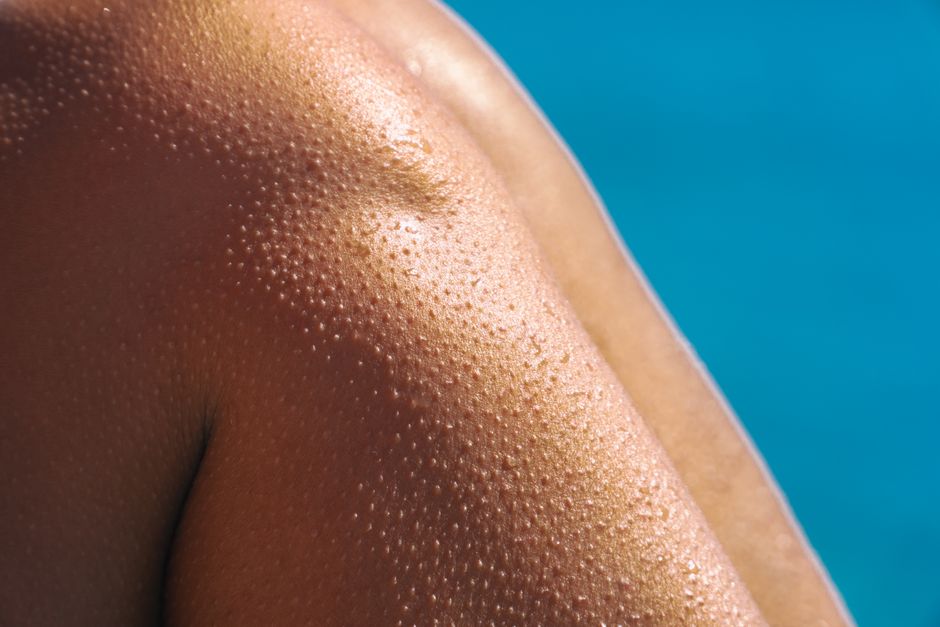
Bumps and ingrown hairs happen when a hair curls back and grows into the skin instead of out of the follicle. This triggers inflammation, which creates the red, sometimes painful bumps you see after shaving or waxing. The most reliable way to get rid of them is to stop the hair removal method that causes them, exfoliate gently to release trapped hairs, and treat the area with warm compresses until the hair surfaces. For persistent or infected bumps, a dermatologist can offer safe removal options that home treatments cannot match.
What Causes Bumps And Ingrown Hairs?
Ingrown hairs occur when the sharp tip of a freshly cut hair pierces the skin and continues growing underneath it. The body recognizes this trapped hair as a foreign object and sends white blood cells to the area. That immune response is what causes the redness, swelling, and tenderness.
Certain hair removal methods make ingrown hairs more likely. Shaving cuts hair at a sharp angle, leaving a pointed tip that easily re-enters the skin. Waxing and plucking break hairs below the surface, which can disrupt the follicle’s natural growth path. Tight clothing can also press hairs back toward the skin after removal.
People with naturally curly or coarse hair are more prone to this condition. The curvature of the hair shaft makes it harder for the hair to grow straight out of the follicle. This is why ingrown hairs are especially common in areas where hair is curly and thick, such as the beard, neck, bikini line, and legs.
What Is The Fastest Way To Get Rid Of Bumps And Ingrown Hairs?
The fastest safe approach combines gentle heat and manual release. Apply a warm compress to the affected area for 10 to 15 minutes several times a day. The heat softens the skin and helps the trapped hair move closer to the surface where it can be freed.
Once the hair loop becomes visible, you can release it with a sterilized needle or tweezers. Gently lift the loop out of the skin. Do not dig into the skin or pluck the hair completely out. Leaving the hair shaft in place while freeing the tip prevents the follicle from closing over and starting the cycle again.
For bumps that are inflamed but show no visible hair, warm compresses alone may be enough. The inflammation often subsides once the trapped hair works its way out naturally. Over-the-counter hydrocortisone cream can reduce itching and redness for a few days, but it should not be used on broken skin or for longer than one week without a doctor’s guidance.
How To Prevent Ingrown Hairs Before They Start
Prevention depends on changing how you remove hair. The most effective strategy is to stop shaving, waxing, or plucking the affected area entirely for three to four weeks. This gives existing ingrown hairs time to resolve and allows the skin to heal. If you must remove hair, choose methods that do not cut below the skin surface.
Chemical depilatory creams dissolve hair at the skin’s surface rather than cutting it at an angle. These products work well for some people, but they can cause irritation on sensitive skin. Always test the product on a small patch of skin first and follow the timing instructions exactly.
Electric razors and clippers leave hair slightly longer than manual razors, which reduces the chance of the hair tip re-entering the skin. If you use a manual razor, shave in the direction of hair growth rather than against it. Shave after a warm shower when the hair is softer and the pores are more open.
Exfoliation is a key preventive step. Gently scrubbing the skin with a soft brush or a mild abrasive product two to three times per week removes dead skin cells that can trap hairs. Some dermatologists recommend products containing salicylic acid or glycolic acid for people prone to ingrown hairs. These ingredients help keep the follicle opening clear, but they can irritate the skin if overused.





What Home Remedies Actually Work For Bumps And Ingrown Hairs?
Several home treatments have real evidence behind them. Tea tree oil has natural antibacterial properties, and some research suggests it can reduce inflammation in hair follicles. Dilute it with a carrier oil before applying, because undiluted tea tree oil can burn the skin.
Aloe vera gel soothes irritated skin and can reduce the discomfort of inflamed bumps. It does not treat the underlying trapped hair, but it helps manage the symptoms while the skin heals.
Aspirin masks are a popular internet remedy, but they carry real risks. Aspirin contains salicylic acid, which can help exfoliate the skin. However, applying aspirin directly to the skin can cause chemical burns, especially in people with sensitive skin or those using blood thinners. Over-the-counter salicylic acid products are safer and more precisely formulated than homemade aspirin pastes.
Witch hazel is a mild astringent that some people find helpful for reducing redness. The evidence for its effectiveness on ingrown hairs is limited, but it is generally safe for most skin types when used in moderation.
No home remedy can remove a deeply embedded hair. If a bump remains painful or grows larger after several days of home care, professional treatment is the safer option.
When Should You See A Dermatologist For Bumps And Ingrown Hairs?
Most ingrown hairs resolve on their own or with home care within one to two weeks. You should see a dermatologist if a bump becomes increasingly painful, fills with pus, or shows red streaks spreading from the area. These signs may indicate a bacterial infection that requires prescription treatment.
People with dark skin may develop post-inflammatory hyperpigmentation, which leaves dark spots where ingrown hairs occurred. A dermatologist can recommend treatments such as prescription-strength lightening agents or chemical peels to address these marks.
For people who experience ingrown hairs repeatedly, a dermatologist may prescribe medications that reduce inflammation or topical antibiotics to prevent infection. In severe cases, laser hair removal is the most effective long-term solution. Laser treatments destroy the hair follicle so that hair cannot regrow and become trapped. Multiple sessions are usually needed, and the treatment works best on people with dark hair and light skin.
Some clinicians recommend retinoid creams for chronic ingrown hairs. These prescription products speed up skin cell turnover, which helps keep follicles clear. They can cause dryness and irritation, especially when first starting treatment, so dermatologist supervision is important.
What Mistakes Make Bumps And Ingrown Hairs Worse?
Picking and squeezing ingrown hairs is the most common mistake. This damages the skin, increases the risk of infection, and can push the hair deeper into the follicle. The resulting scar or dark spot often lasts longer than the original bump would have.
Shaving over an active ingrown hair irritates the area further and can cut the trapped hair below the skin surface, making it harder to remove later. Wait until the area has fully healed before shaving again.
Wearing tight clothing over recently shaved skin increases friction and presses hairs back toward the follicle. Loose clothing allows the skin to breathe and reduces irritation while bumps heal.
Using harsh exfoliants on already inflamed skin can cause micro-tears that invite infection. When bumps are present, stop exfoliating that area and focus on warm compresses instead.
Ignoring signs of infection is a serious mistake. An ingrown hair that becomes a painful boil-like lump, called an abscess, may need to be drained by a medical professional. Attempting to drain it at home can spread bacteria deeper into the tissue.
Frequently Asked Questions
How long do ingrown hair bumps last?
Most ingrown hair bumps resolve within one to two weeks with consistent warm compresses and gentle exfoliation. Infected or deeply embedded hairs can last longer and may require professional treatment.
Does toothpaste get rid of ingrown hairs?
No clinical evidence supports toothpaste as a treatment for ingrown hairs. Toothpaste can dry out the skin and cause irritation, which may make the bump worse.
Can you pop an ingrown hair like a pimple?
You should not pop an ingrown hair bump because squeezing can push the hair deeper and increase the risk of infection and scarring. Use a warm compress to bring the hair to the surface, then lift it gently with sterilized tweezers if the loop becomes visible.
Is laser hair removal worth it for ingrown hairs?
Laser hair removal is the most effective long-term treatment for chronic ingrown hairs because it destroys the hair follicle so hair cannot regrow. It requires multiple sessions and works best on dark hair with light skin, but results are lasting for most people who complete the full treatment plan.
