
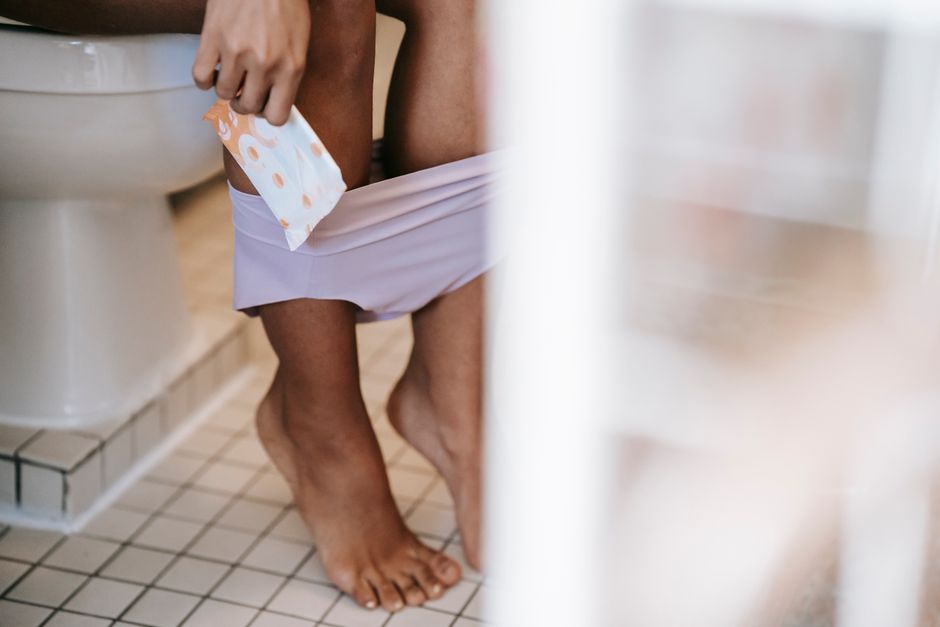
Period bloating is caused by hormone shifts, not by anything you ate or did wrong. In the days before your period, levels of estrogen and progesterone change, and that shift tells your body to hold on to more water and sodium. The result is a full, tight, swollen feeling in your belly that usually shows up a few days before bleeding starts and eases once your period is underway. You cannot switch the hormones off, but you can reduce how uncomfortable the bloating feels with a few practical steps.
How To Get Rid Of Bloating During Your Period
There is no single trick that makes period bloating vanish. What works is stacking a few small changes that each take some pressure off your body’s fluid balance and digestion.
The most reliable lever is sodium. When you eat salty food, your body retains water to keep the sodium diluted in your bloodstream. Cutting back on salt — especially processed and restaurant food — during the week before and during your period can noticeably reduce bloating for many people. This is basic fluid physiology, not a fringe claim.
Water intake matters too, even though it sounds backwards. Drinking enough water helps your kidneys flush excess sodium rather than hold onto it. Staying hydrated does not cause bloating; dehydration can make your body cling to fluid more stubbornly.
Gentle movement helps. Walking, light cycling, or stretching encourages circulation and can ease the sluggish, heavy feeling in your gut. You do not need an intense workout. Movement also helps move gas through your digestive tract.
Heat is a simple comfort measure. A warm compress or a bath relaxes abdominal muscles and can take the edge off the tight, achy feeling. It will not change your hormone levels, but it can make the discomfort easier to tolerate.
If bloating is the main problem and other symptoms are mild, these steps are often enough. If your bloating is severe or comes with other symptoms, it is worth talking to a clinician, because not all abdominal bloating is hormonal.
Why Does Your Belly Bloat Before Your Period?
The bloating you feel in the days before your period is driven by shifting hormone levels. In the second half of your cycle, progesterone rises and then falls. Estrogen also fluctuates. These changes affect how your body handles sodium and water.
When estrogen and progesterone shift, your kidneys are signaled to retain sodium. Where sodium goes, water follows. That extra fluid can collect in your abdomen and other tissues, creating the swollen, puffy feeling.
There is a second factor that gets less attention: the same hormones affect the muscles of your digestive tract. Progesterone can slow the movement of food and gas through your intestines. Slower transit means more gas builds up, which adds to the sense of fullness and pressure. So period bloating is often part hormone-related water retention and part slowed digestion.
This is why bloating tends to follow a predictable pattern. It usually builds in the days before your period and eases once bleeding begins and hormone levels stabilize. Tracking your symptoms across a cycle can help you confirm the pattern for yourself.
What Foods Help and What Foods Make It Worse?
Food will not override your hormones, but it can either add to the fluid and gas problem or take pressure off it. The evidence here is practical rather than dramatic: certain foods tend to worsen bloating for many people, and others tend to help.
Foods and drinks that commonly make bloating worse:
- High-sodium foods — chips, cured meats, canned soups, fast food, and most restaurant meals
- Carbonated drinks, which add gas directly to your gut
- Alcohol, which can affect fluid balance and irritate the stomach
- Large amounts of caffeine, which can worsen digestive discomfort for some people
- Very gas-producing foods like beans and cruciferous vegetables, if you are already prone to gas
Foods and habits that tend to help:
- Water and unsweetened fluids to support sodium balance
- Potassium-rich foods such as bananas, potatoes, and leafy greens, which work alongside sodium in your body’s fluid regulation
- Smaller, slower meals to reduce gas buildup
- Regular fiber from whole foods, though increasing fiber suddenly can itself cause gas
A note of honesty: no food reliably “flushes” water out of your body. Claims that a specific tea or juice detoxes period bloat are not supported by clinical evidence. The benefit, where it exists, comes from reducing sodium and gas, not from a magic ingredient.




Do Supplements and Medications Help With Period Bloating?
Some over-the-counter options have a reasonable basis, and others are mostly marketing. It helps to know which is which.
Diuretics are sometimes used to reduce water retention, but they are not something to reach for casually. Some are available by prescription, and using them without medical guidance can disturb your body’s electrolyte balance. This is a case where you should talk to a clinician rather than self-treat.
Calcium supplements have been studied for premenstrual symptoms, including bloating, and some research suggests they may help. The evidence is not strong enough to call it a guaranteed fix, and dosing should come from your clinician rather than a guess.
Magnesium is often mentioned for period symptoms. Some studies suggest it may ease certain premenstrual complaints, but the evidence for bloating specifically is limited. It is not a proven bloating remedy.
Pain relievers like ibuprofen can help with cramps and general period discomfort. They are not specifically a bloating treatment, and they carry their own risks, including stomach irritation. Follow label directions and check with a clinician if you take other medications.
Be cautious with products marketed as hormone-balancing or detox blends for bloating. No large human trials have confirmed these work, and supplements are not tightly regulated for purity or accuracy of what is on the label.
When Is Bloating a Sign of Something Else?
Period-related bloating follows a pattern tied to your cycle and eases after your period. Bloating that does not fit that pattern deserves a closer look.
Talk to a clinician if you notice:
- Bloating that is persistent and does not come and go with your cycle
- Bloating along with significant pain, especially pain that is new or worsening
- Changes in your bowel habits that last more than a few weeks
- Unexplained weight loss or a feeling of fullness that does not resolve
- Bloating so severe it interferes with eating or daily life
Persistent bloating can have causes unrelated to hormones, including digestive conditions. It is easy to assume every swollen belly is hormonal, but that assumption can delay a proper evaluation. If the pattern does not match your cycle, do not wait it out indefinitely.
Can Lifestyle Changes Prevent Period Bloating?
You cannot prevent the hormonal shift that drives period bloating, but you can reduce how much it bothers you by preparing ahead of time.
Because bloating tends to follow a predictable cycle, you can start your countermeasures a few days before it usually begins. Cutting sodium, staying hydrated, and keeping up gentle movement in that window often works better than reacting once you already feel swollen.
Regular exercise across the month supports circulation and digestion, and some people find it reduces the severity of premenstrual symptoms over time. Sleep and stress management matter too, though the evidence linking them directly to bloating is not strong. What is clear is that stress and poor sleep tend to make period symptoms feel worse overall.
Keeping a simple symptom log for two or three cycles can help you see your own pattern. Once you know when bloating typically starts, you can act before it peaks instead of playing catch-up.
Frequently Asked Questions
How long does period bloating usually last?
For most people, bloating builds in the days before bleeding starts and eases within the first few days of the period. If it lasts well beyond your period or does not follow a cycle pattern, see a clinician.
Does drinking more water really reduce bloating?
Yes, staying hydrated helps your kidneys flush excess sodium rather than retain fluid. Dehydration can actually make your body hold onto water more stubbornly.
What is the fastest way to reduce period bloating?
Cutting back on salty food and drinking enough water are the most reliable steps, and they often work within a day or two. Heat and gentle movement can ease discomfort in the meantime.
Are diuretics safe for period bloating?
Not for casual self-use, because they can disturb your electrolyte balance. Some are prescription-only, so talk to a clinician before using one for bloating.
