
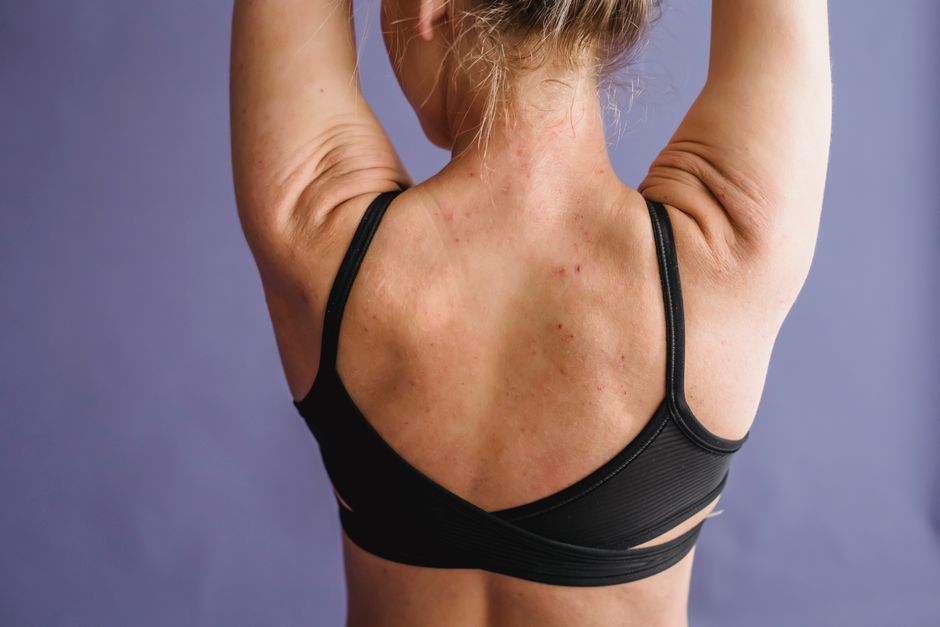
Back acne is frustrating, and the one-week timeline is realistic but has limits. You can significantly reduce active breakouts and improve skin texture in seven days, but you cannot completely cure acne in that time. Acne forms over weeks beneath the skin, so what you see today started forming long before. What a week of consistent care can do is calm inflammation, clear clogged pores, and stop new pimples from forming. The plan below walks through each day, but the core principles matter more than the calendar.
What Actually Causes Back Acne?
Back acne develops the same way facial acne does. Hair follicles become blocked with oil and dead skin cells. The blocked pore becomes inflamed when bacteria that normally live on skin multiply inside it. The back has more oil glands per square inch than the face, which is why back acne can be stubborn.
Friction and pressure make back acne worse. Tight clothing, backpacks, and sports equipment trap sweat and rub against skin. This irritation is called acne mechanica. Hormones also play a role. Androgen hormones increase oil production, which is why back acne often flares during puberty, menstrual cycles, or times of stress. Diet may influence acne for some people, but the evidence is not strong enough to name specific foods as universal triggers.
Can You Really Clear Back Acne In A Week?
Yes and no. You can see visible improvement in seven days. Redness and swelling from inflamed pimples can calm down noticeably. Blackheads and whiteheads may become smaller. New breakouts can be prevented if the routine works for your skin.
What cannot happen in a week is the complete disappearance of deep acne. Cysts and nodules sit deep in the skin and take weeks to resolve regardless of treatment. Even topical prescription medications take four to eight weeks to show full results. A one-week plan is about reducing what you see now and stopping the next wave, not erasing everything overnight.
Day 1: Start With A Clean Slate
Day one is about assessment and starting a consistent routine. Look at your back in a mirror. Note where breakouts cluster. This helps you understand triggers. If acne concentrates where a backpack sits or where a sports bra band crosses, friction is likely a factor.
Wash your back with a gentle cleanser containing benzoyl peroxide or salicylic acid. Benzoyl peroxide kills bacteria and reduces inflammation. Salicylic acid dissolves the dead skin cells that clog pores. Use lukewarm water, not hot. Hot water strips skin and increases irritation. Wash after sweating, not just in the shower. Sweat itself does not cause acne, but leaving sweat on skin increases the chance of clogged pores.
Apply a lightweight, oil-free moisturizer after washing. People with back acne often skip moisturizer, worried it will worsen breakouts. That is a mistake. Skin that is stripped of moisture produces more oil to compensate. Use a non-comedogenic product, meaning it is formulated not to clog pores.




Day 2: Address Inflammation Directly
Day two focuses on calming angry pimples. Inflamed acne looks red, swollen, and tender. This is your immune system responding to bacteria inside the pore. Reducing inflammation makes pimples less visible and less painful.
Use a spot treatment containing benzoyl peroxide at 2.5 to 5 percent concentration. Higher concentrations work no better and cause more irritation. Apply a thin layer to individual pimples after washing. Do not smear it over your whole back unless you are using a benzoyl peroxide body wash for general treatment.
Do not pick, pop, or scrub pimples. Popping pushes bacteria deeper into the skin and increases the chance of scarring. It also makes the area more inflamed, which means it will look worse tomorrow than it does today. Resist the urge.
Day 3: Exfoliate Gently
Day three introduces exfoliation. The goal is removing dead skin cells that clog pores. Chemical exfoliants work better and cause less damage than physical scrubs.
Use a product with salicylic acid at 2 percent concentration. It penetrates oil-filled pores and clears them from the inside. Apply it after washing and before moisturizer. Start with every other day use to see how your skin responds. Some people can tolerate daily use, but if your skin feels tight, dry, or stinging, reduce frequency.
Avoid body scrubs with crushed shells, beads, or sugar. These cause micro-tears in skin, which increases inflammation and can make acne worse. The back is hard to reach and easy to over-scrub. Chemical exfoliation is gentler and more effective.
Day 4: Manage Sweat And Friction
Day four is about prevention through clothing and habits. Even perfect skincare cannot outwork constant friction and trapped sweat.
Shower within an hour after exercise. If you cannot shower immediately, rinse your back with water and change out of sweaty clothing. Wear loose, breathable tops made of cotton or moisture-wicking fabrics. Tight synthetic fabrics trap heat and sweat against skin.
Wash your back before bed if you exercised in the evening. Change your sheets and pillowcases at least weekly. Pillowcases collect oil, dead skin, and product residue. Your back touches your sheets all night, so dirty bedding reintroduces those substances to your skin.
Day 5: Evaluate What Is Working
Day five is a checkpoint. Look at your back honestly. Some pimples should look flatter and less red. New breakouts should be minimal or absent. If you see improvement, continue the routine. If you see increased irritation or new breakouts, adjust.
Skin purging is a real phenomenon. When you start using active ingredients like salicylic acid or benzoyl peroxide, existing clogged pores can come to the surface as pimples before they clear. This usually happens in the first week and can look like the treatment is failing. Purging is temporary and should settle within two to four weeks.
If your skin is red, peeling, or burning, you are overdoing it. Cut back to washing once daily and using spot treatments only on active pimples. Irritated skin cannot heal acne. It makes it worse.
Day 6: Keep Moisturized And Protected
Day six reinforces the importance of moisturizing and sun protection. The back is exposed to sun more than people realize, especially in summer clothing.
Use a non-comedogenic moisturizer daily. Ingredients like ceramides and hyaluronic acid repair the skin barrier. A healthy barrier keeps bacteria out and moisture in. When the barrier is damaged from harsh acne products, skin becomes more sensitive and more prone to breakouts.
Sun exposure darkens acne spots. These dark marks, called post-inflammatory hyperpigmentation, can last months after the pimple is gone. Use a broad-spectrum sunscreen on your back if it will be exposed. Look for oil-free, non-comedogenic formulas. Some sunscreens are heavy and greasy, which can clog pores, so choose carefully.
Day 7: Set Realistic Expectations For The Week Ahead
Day seven is about looking at results and planning the next steps. You should see less redness and fewer active pimples. Some breakouts may still be present, especially if they were deep when you started.
Continue the routine beyond day seven. Acne treatment is not a one-week project. Consistency over weeks and months is what clears skin. If you stop after a week because you see improvement, acne will return. The routine needs to become habit.
If over-the-counter products have not improved your back acne after eight to twelve weeks of consistent use, see a dermatologist. Prescription options include topical retinoids, antibiotics, and for severe cases, oral medications. A dermatologist can also determine if what looks like acne is actually another condition, such as folliculitis or keratosis pilaris, which require different treatment.
What Not To Do During The Week
Some common habits make back acne worse. Avoid them during this week and beyond.
- Do not use body washes with fragrance or heavy oils. These can irritate skin or clog pores.
- Do not use loofahs or washcloths on active breakouts. They harbor bacteria and cause friction.
- Do not apply thick creams or body butters to your back. These are too heavy for acne-prone skin.
- Do not wear the same workout shirt twice without washing. Bacteria and oil transfer back to skin.
- Do not take extremely hot showers. Hot water strips the skin barrier and increases oil production.
None of these habits alone cause back acne. But combined with a good skincare routine, avoiding them gives your skin the best chance to clear.
When To See A Dermatologist
Back acne can be harder to treat than facial acne because the skin is thicker and harder to reach. If you have tried consistent over-the-counter treatment for three months without improvement, medical care is appropriate.
See a doctor sooner if you have deep, painful nodules or cysts. These can scar permanently. Also seek care if you have a history of acne scarring or if back acne is affecting your mental health. Acne is a medical condition, not a cosmetic flaw, and it deserves proper treatment.
A dermatologist may prescribe a topical retinoid like adapalene or tretinoin, which normalize skin cell turnover and prevent clogged pores. Oral antibiotics can reduce bacteria and inflammation for short-term use. For severe cases, isotretinoin is highly effective but requires careful monitoring due to side effects. Spironolactone is an option for women with hormonal acne. These are all decisions to make with a doctor based on your specific situation.
Frequently Asked Questions
Can back acne clear up in 7 days?
Visible improvement is realistic in seven days, but complete clearing is not. Redness and inflammation can calm, and new breakouts can be prevented, but deep pimples take weeks to resolve.
What is the fastest way to get rid of back acne?
Consistent use of benzoyl peroxide and salicylic acid products, washing after sweating, and avoiding friction from tight clothing is the fastest evidence-based approach. No single product works overnight.
Should I pop back pimples?
No. Popping pushes bacteria deeper into skin, increases inflammation, and raises the risk of permanent scarring.
Does sweating make back acne worse?
Sweat itself does not cause acne, but leaving sweat on skin increases the chance of clogged pores. Showering or rinsing your back within an hour after exercise helps prevent this.
