
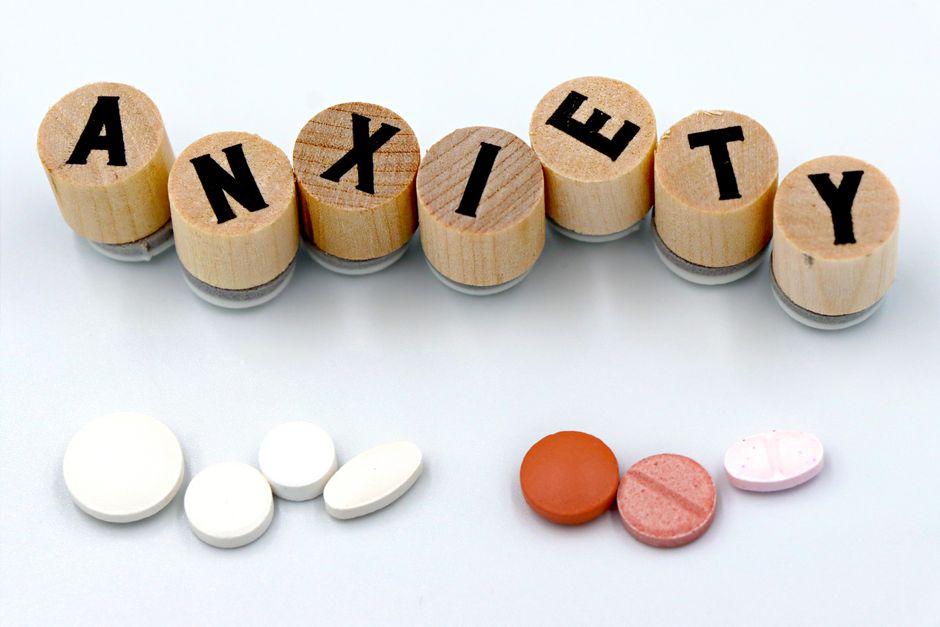
Anxiety cannot always be completely eliminated — but it can be managed and reduced to the point where it no longer controls your life. The most effective approaches combine lifestyle changes, evidence-based therapies like cognitive behavioral therapy, and sometimes medication. What works varies by person, and finding the right combination often requires trial and adjustment.
Anxiety affects roughly 30% of adults at some point in their lives. It shows up as persistent worry, physical tension, avoidance of situations, or sudden panic. For some people it is a passing phase tied to a specific stressor. For others it becomes a chronic condition that interferes with work, relationships, and daily functioning.
The good news is that anxiety is one of the most treatable mental health conditions. Research consistently shows that certain therapies and interventions produce real measurable improvement. The challenge is sorting through what actually works versus what sounds good but lacks evidence.
What Causes Anxiety and Why Does It Persist?
Anxiety is not weakness or overthinking. It is a response system that evolved to protect us from danger. The problem arises when this system becomes overactive or reacts to situations that are not actually threatening.
Several factors contribute to chronic anxiety. Genetics play a role — if your parents experienced anxiety disorders you face higher risk. Brain chemistry matters too, particularly neurotransmitters like serotonin and GABA that regulate mood and stress response. Chronic stress, trauma, and major life changes can trigger or worsen anxiety even in people without prior history.
Anxiety persists partly because of avoidance. When you avoid situations that trigger anxiety you feel temporary relief. But that relief teaches your brain the situation really was dangerous. Over time the list of avoided situations grows and anxiety strengthens. Breaking this cycle requires facing feared situations gradually — something most people cannot do alone without guidance.
Does Cognitive Behavioral Therapy Actually Work for Anxiety?
Cognitive behavioral therapy is the most researched treatment for anxiety disorders. Studies show it produces significant improvement in 50-75% of people who complete a full course of treatment.
CBT works by identifying thought patterns that fuel anxiety then testing whether those thoughts are accurate. If you believe speaking in meetings will lead to humiliation CBT helps you examine the evidence and gradually test that belief in real situations. The therapy also includes exposure exercises where you face feared situations in controlled steps.
A typical CBT course runs 12-16 weekly sessions though some people benefit from fewer. The effects tend to last after therapy ends because you learn skills you can apply independently. As of 2026 remote CBT delivered through video sessions shows similar effectiveness to in-person treatment which has expanded access significantly.
The limitation is that CBT requires active participation and practice between sessions. It is not a passive treatment. People who struggle with homework assignments or who have severe depression alongside anxiety may need additional support or a modified approach.
What Lifestyle Changes Have Evidence Behind Them?
Certain lifestyle factors influence anxiety through measurable biological pathways. These are not cure-alls but they move the needle for many people.
Regular aerobic exercise reduces anxiety symptoms in multiple studies. Thirty minutes of moderate activity five days per week appears to be the threshold where benefits become consistent. Exercise affects neurotransmitter levels and reduces stress hormones like cortisol. The effect is modest but real — comparable to some medications in mild to moderate cases.
Sleep quality matters more than most people realize. Chronic sleep deprivation amplifies the brain’s threat detection systems making you more reactive to stress. One night of poor sleep measurably increases anxiety the next day. Improving sleep often requires changing habits around screen time, caffeine, and bedtime routine rather than just trying harder to fall asleep.
Caffeine intake deserves attention particularly for people prone to panic attacks. Caffeine triggers the same physical sensations as anxiety — increased heart rate, jitteriness, rapid breathing. For some people eliminating caffeine produces noticeable improvement within a week. For others moderate intake causes no issues. If you consume more than 300mg daily and experience panic symptoms a trial reduction is worth considering.
| Intervention | Evidence Level | Typical Benefit Timeline |
|---|---|---|
| Cognitive Behavioral Therapy | Strong – multiple large trials | 4-8 weeks for noticeable change |
| Regular Aerobic Exercise | Moderate – consistent findings | 2-4 weeks of regular activity |
| Sleep Improvement | Moderate – well-established link | 1-2 weeks with better habits |
| Caffeine Reduction | Moderate – varies by person | 3-7 days after cutting back |
| Mindfulness Meditation | Moderate – mixed results | 4-8 weeks of daily practice |




When Should You Consider Medication for Anxiety?
Medication becomes worth discussing when anxiety is severe enough to interfere with daily function or when therapy alone has not produced sufficient improvement after a reasonable trial.
SSRIs like sertraline and escitalopram are typically first-line medications for chronic anxiety. They take 4-6 weeks to show full effects and work by gradually changing brain chemistry rather than providing immediate relief. Research shows they help about 60% of people with generalized anxiety or panic disorder though side effects cause some people to discontinue treatment.
Benzodiazepines like alprazolam work immediately and are sometimes prescribed for short-term crisis situations. The problem is they lose effectiveness with regular use and carry risk of dependence. Current guidelines recommend using them sparingly if at all — usually only during the first weeks of starting an SSRI or for specific phobia situations like flying.
Buspirone is a less-known option with fewer side effects than SSRIs though it appears slightly less effective on average. Some people who cannot tolerate SSRIs do well with buspirone particularly for generalized worry rather than panic.
What About Natural Remedies and Supplements?
The supplement market is full of anxiety claims. Most have little evidence. A few have shown modest effects in controlled studies.
Magnesium deficiency can worsen anxiety symptoms and supplementation may help in people who are actually deficient. But there is no strong evidence that magnesium helps with anxiety in people with normal levels. Blood tests can determine if deficiency is present before trying supplementation.
Omega-3 fatty acids show small positive effects in some studies though results are inconsistent. The effect size when present is considerably smaller than therapy or medication. Still omega-3s carry minimal risk and support overall health so trying them is reasonable alongside other treatments.
CBD products are heavily marketed for anxiety but high-quality research remains limited as of 2026. Small studies suggest possible benefit but optimal dosing, long-term safety, and who responds best are still unclear. The unregulated nature of the CBD market also means product quality varies wildly.
Herbal supplements like kava and passionflower have some traditional use but limited rigorous testing. Kava in particular has raised liver safety concerns in certain formulations. Anyone considering herbal remedies should discuss them with a healthcare provider especially if taking other medications.
How Do You Know If What You Are Doing Is Working?
Tracking progress matters because anxiety improvement is often gradual and easy to miss day-to-day. Without tracking people sometimes abandon approaches that were actually helping.
Simple weekly ratings work well. Rate your average anxiety level for the week on a 0-10 scale. Note how many days you avoided important activities due to anxiety. Track panic attacks if relevant. After 4-6 weeks look for trends rather than day-to-day fluctuations.
Behavioral changes often appear before you feel better. You might notice you are doing things you previously avoided even though the anxiety itself still feels high. That is progress. Feelings typically lag behind behavior by a few weeks.
If you see no improvement after 8 weeks of genuine effort with an evidence-based approach something needs to change. That might mean working with a therapist if you were trying self-help, adjusting medication dosage, or addressing other factors like substance use or untreated medical conditions that fuel anxiety.
What Should You Do Right Now?
Starting is harder than continuing. Pick one specific change based on what seems most feasible for your situation right now.
If therapy feels overwhelming start with exercise. Commit to three 30-minute walks this week. If sleep is clearly a problem address that first with consistent bed and wake times. If you know a therapist would help but have been putting it off make the call today even if the first appointment is weeks away.
Avoid the trap of trying to overhaul everything at once. People who attempt five simultaneous changes usually sustain none of them. One meaningful change maintained for a month beats five changes abandoned after a week.
Here are practical first steps depending on your situation:
- Set up an appointment with a therapist who specializes in anxiety disorders — specifically ask if they practice CBT or exposure therapy
- Start a simple daily walk routine at a pace that slightly elevates your heart rate for at least 20 minutes
- Reduce caffeine intake by half this week and observe any changes in physical anxiety symptoms
- Establish a fixed wake time seven days a week to stabilize your sleep-wake cycle
- Download a CBT-based app like NOCD or Sanvello if in-person therapy is not currently accessible
Progress with anxiety is rarely linear. Setbacks happen and do not erase previous gains. The goal is not to never feel anxious again. The goal is to reduce anxiety to manageable levels and prevent it from dictating your choices.
Frequently Asked Questions About How to Get Rid of Anxiety
Can anxiety go away completely without medication?
Yes many people successfully manage anxiety through therapy and lifestyle changes alone. Cognitive behavioral therapy in particular shows strong results without medication though some people benefit from combining both approaches.
How long does it take to reduce anxiety naturally?
Most people notice some improvement within 4-6 weeks of consistent lifestyle changes or therapy. Significant reduction typically requires 8-12 weeks of sustained effort though this varies considerably by person and anxiety severity.
What is the fastest way to calm anxiety in the moment?
Controlled breathing techniques provide the quickest relief — inhale for four counts hold for four exhale for six and repeat for several minutes. This activates your parasympathetic nervous system and counteracts the physical anxiety response.
Is anxiety a lifelong condition?
Not necessarily. Many people experience anxiety during specific life periods then recover fully. Others manage chronic anxiety successfully to the point where it rarely interferes with daily life even if some vulnerability remains.
