
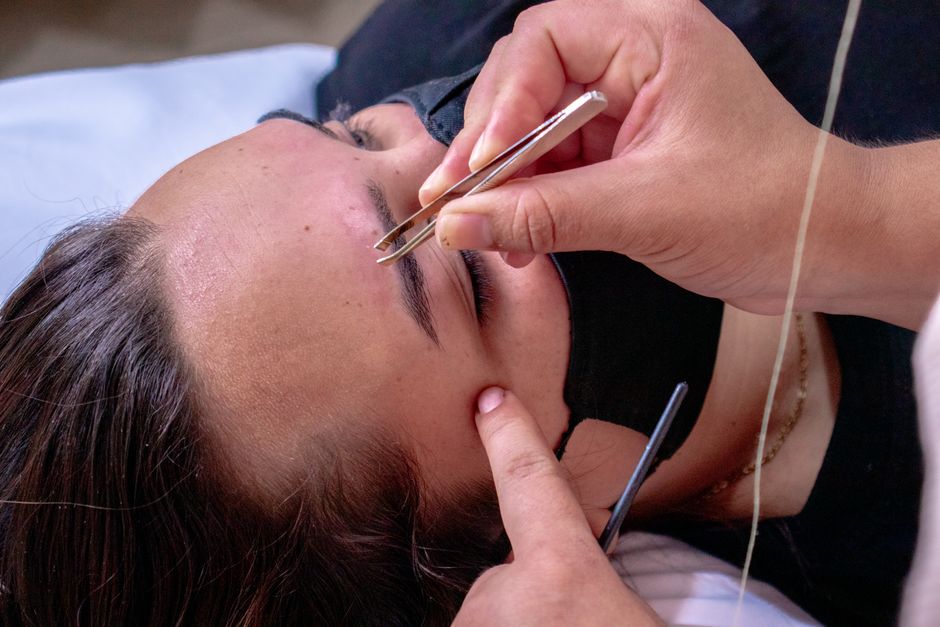
An eyebrow piercing bump is a raised, often red or skin-colored lump that forms near the piercing site. It is usually a sign of irritation, a mild infection, or your body’s normal healing response to trauma. To get rid of it, you need to stop irritating the area, clean it gently with sterile saline spray, and leave it alone completely—most bumps resolve within a few weeks once the source of irritation is removed.
What Causes an Eyebrow Piercing Bump?
Most bumps are not true infections. They are typically caused by physical trauma, poor jewelry quality, or improper aftercare. The skin around a fresh piercing is fragile, and any friction, pulling, or pressure triggers inflammation.
There are three common types of bumps you might see. A hypertrophic scar is excess collagen that forms during healing. It looks like a firm, shiny bump that stays within the original piercing hole. A pyogenic granuloma is a red, moist, vascular growth that bleeds easily—it often appears after repeated trauma. An abscess or infected pustule is filled with pus and is usually warm to the touch.
The jewelry itself is a frequent culprit. Eyebrow piercings move constantly because of facial expressions. A curved barbell that is too long or too short will catch on clothing or shift with every blink. Nickel and other low-grade metals can trigger contact dermatitis, which produces an itchy, bumpy rash around the hole.
How To Get Rid Of An Eyebrow Piercing Bump: Step-by-Step Care
The single most effective step is to identify and remove the irritant. If the bump appeared after you snagged the jewelry, the fix is time and patience. If it appeared after you switched jewelry, the metal may be the problem.
Clean the area twice daily with a sterile saline wound wash. This is the only aftercare product recommended by most piercing professionals. Spray the solution directly on the bump and let it air dry. Do not twist, rotate, or move the jewelry during cleaning—this disrupts the healing channel and makes the bump worse.
Do not use alcohol, hydrogen peroxide, or antibiotic ointments. These kill new skin cells as fast as they kill bacteria. They also dry out the bump, which can cause cracking and delayed healing. Tea tree oil and other essential oils are not sterile and can burn the delicate tissue.
Leave the jewelry in place. Removing it while the bump is active can trap an infection inside the closed skin. If the bump is severe or painful, see a professional piercer or a dermatologist before taking the jewelry out.
Home Remedies That Actually Work
Warm compresses are the most evidence-supported home treatment for piercing bumps. Soak a clean cloth in warm water, apply it to the bump for five to ten minutes, and repeat twice daily. The heat increases blood flow to the area, which helps your body reabsorb the excess fluid or collagen.
Chamomile compresses are widely recommended in piercing communities, but the evidence is limited. Some research suggests chamomile has anti-inflammatory properties, but no clinical trials have tested it on piercing bumps. If you try it, use a cooled, steeped tea bag and ensure you are not allergic to ragweed—chamomile can trigger reactions in people with ragweed sensitivity.
Plain, unscented soap is acceptable if saline is unavailable. Use a mild, fragrance-free liquid soap and rinse thoroughly. Harsh antibacterial soaps strip the skin of its natural protective oils and can slow healing.




When To See a Doctor or Professional Piercer
See a professional piercer first if the bump appeared within the first few weeks of healing. They can assess whether the jewelry is the wrong size or angle and can replace it if needed. Do not attempt to change the jewelry yourself while the bump is active.
See a doctor if you notice signs of a true infection. These include yellow or green pus, increasing redness that spreads beyond the immediate piercing site, heat radiating from the area, fever, or red streaks moving outward from the piercing. These symptoms suggest a bacterial infection that requires medical treatment.
An untreated infection in an eyebrow piercing is not just a cosmetic concern. The area is close to your eye and facial blood vessels. In rare cases, a severe infection can spread to surrounding tissues or, in very serious cases, reach the bloodstream. This is rare, but the proximity to the eye means you should not delay professional care if symptoms worsen.
How Long Does It Take For An Eyebrow Piercing Bump To Go Away?
Most irritation bumps begin to shrink within one to two weeks after the irritant is removed. Complete resolution usually takes four to six weeks. Hypertrophic scars take longer—often two to three months of consistent, gentle care before they flatten noticeably.
Healing time depends heavily on the cause. A bump caused by snagging the jewelry may disappear in days once the area is left alone. A bump caused by a nickel allergy will persist until the jewelry is replaced with a higher-grade metal. A true keloid—a scar that grows beyond the original wound boundaries—will not go away on its own and requires medical treatment.
True keloids are uncommon in eyebrow piercings. They are more likely in people with darker skin tones or a personal or family history of keloid scarring. If you have this history, mention it to your piercer before getting pierced and watch the area carefully during healing.
What Not To Do When You Have A Piercing Bump
Do not pop or squeeze the bump. This forces bacteria deeper into the tissue and can turn a minor irritation into a serious infection. Do not pick at crust or scabs—let them fall off naturally during cleaning.
Do not apply makeup, foundation, or concealer over the bump. Cosmetic products introduce bacteria and oils into the healing wound. Do not sleep on the side of the piercing. Pressure and friction from your pillow can keep the bump inflamed for weeks.
Do not use aspirin paste or crushed ibuprofen as a topical treatment. This is a popular internet remedy, but there is no evidence it works. Aspirin applied to the skin can cause chemical burns and permanent discoloration.
Preventing Future Bumps
Choose high-quality jewelry from the start. Implant-grade titanium, 14k or 18k gold, and niobium are the safest options for initial piercings. These metals are biocompatible and rarely trigger allergic reactions.
Keep the area dry after showering or sweating. Pat it gently with a clean paper towel—cloth towels harbor bacteria and can snag the jewelry. Avoid swimming in pools, hot tubs, lakes, or oceans until the piercing is fully healed, which typically takes six to eight weeks for an eyebrow piercing.
Do not change the jewelry until the piercing is completely healed. Even then, have a professional do the first change. Eyebrow piercings are angled, and inserting new jewelry at the wrong angle can cause the piercing to migrate or reject.
Frequently Asked Questions
Can I pop an eyebrow piercing bump?
No. Popping or squeezing the bump forces bacteria deeper into the tissue and can turn a minor irritation into a serious infection. Let it heal with consistent cleaning and no manipulation.
Is an eyebrow piercing bump a sign of infection?
Not usually. Most bumps are irritation responses or hypertrophic scarring, not infections. See a doctor if you have yellow or green pus, spreading redness, heat, or fever—those are true infection signs.
How long does an eyebrow piercing bump last?
Most irritation bumps shrink within one to two weeks after the cause is removed and resolve fully in four to six weeks. Hypertrophic scars can take two to three months to flatten.
Should I remove the jewelry if I have a bump?
No. Removing the jewelry while the bump is active can trap an infection inside the closed skin. See a professional piercer or doctor before deciding to remove it.
