
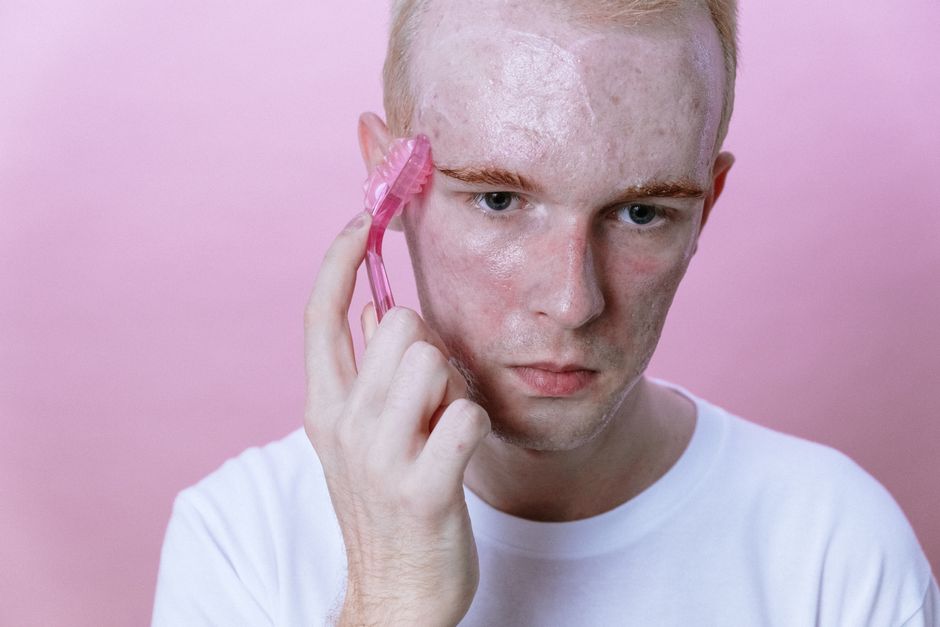
You cannot cure a pimple in three days. What you can realistically do is calm an inflamed spot, reduce redness, and stop a breakout from getting worse — and that is what a 3-day plan is actually for. The steps below focus on proven acne ingredients, gentle skin care, and the habits that make the biggest difference in the shortest time.
How To Get Rid Of Acne Fast With A 3 Day Plan
Three days is enough time to see a real change in an active breakout. It is not enough time to clear skin that has been breaking out for months.
The difference comes down to what acne actually is. A pimple forms when a hair follicle gets blocked by oil and dead skin cells, and the bacterium Cutibacterium acnes multiplies inside that blockage. The skin around it becomes inflamed. That inflammation is what you see as redness, swelling, and tenderness.
Inflammation can settle in two to three days with the right care. The blocked pore itself takes longer. This is why a 3-day plan works best on the redness and swelling of existing spots, and why it can also prevent tomorrow’s pimples from forming.
Here is the honest structure of a 3-day plan:
- Day 1: Reduce inflammation. Stop picking. Start a simple, gentle routine.
- Day 2: Add one proven active ingredient. Do not add three.
- Day 3: Protect the skin barrier and keep the routine consistent.
The temptation is to attack the skin hard. That usually backfires. Over-washing and stacking strong products irritate the skin, and irritated skin looks redder and heals slower.
What Actually Clears Acne vs What Only Seems To Work
Only a small number of ingredients have solid evidence behind them for acne. Everything else is either supporting cast or marketing.
Benzoyl peroxide kills C. acnes on the skin and reduces inflammation. It is one of the most studied acne treatments available and is sold without a prescription. It can dry the skin and bleach fabric, so use it carefully.
Salicylic acid helps unclog pores. It is gentler than benzoyl peroxide and works well for blackheads and mild breakouts. It is less effective on deep, inflamed cysts.
Topical retinoids — including adapalene, which is available without a prescription in the US — help pores shed dead skin cells normally. They are among the most effective long-term acne treatments. They are not fast. Retinoids often make acne look worse for the first few weeks before it improves, so they are not the centerpiece of a 3-day plan.
What does not have good evidence for fast clearing: lemon juice, toothpaste, baking soda, apple cider vinegar, and most “spot treatment” products built around essential oils. Some of these can burn or irritate the skin, which makes redness worse.
One clarification worth knowing: acne is not caused by dirty skin. Washing more often does not clear it faster. Over-washing strips the skin and can trigger more oil production.
What Should You Do On Day 1?
Day 1 is about calming what is already there and not making it worse.
Wash your face twice — morning and night — with a gentle, non-foaming cleanser. Use lukewarm water. Hot water increases redness.
Do not pick, squeeze, or pop anything. This is the single most important instruction in the whole plan. Squeezing pushes bacteria and inflammation deeper into the skin. It turns a small pimple into a larger one, and it raises the risk of scarring and dark marks that can last months.
Apply a benzoyl peroxide spot treatment to active pimples at night. Start with a low concentration. Higher concentrations are not more effective — they are just more irritating. A thin layer is enough.
Moisturize. This sounds wrong when your skin is oily, but acne treatments dry the skin, and dry skin produces more oil and more irritation. A light, non-comedogenic moisturizer helps.
If you wear makeup, use non-comedogenic products and remove them fully at night. Sleeping in makeup clogs pores.




What Should You Do On Day 2 And Day 3?
Day 2 and Day 3 are about consistency, not intensity.
Keep the same routine. Wash, treat, moisturize. Do not add new products because nothing looks better yet. Most acne treatments need more than 48 hours to show visible results, and switching products every day prevents any of them from working.
On Day 2, if your skin is tolerating the benzoyl peroxide well, you can add salicylic acid — but not at the same time of day. Use one in the morning and one at night, or alternate days. Stacking them together increases irritation.
On Day 3, assess honestly. Redness and swelling around existing pimples should be somewhat reduced. New pimples may still appear. That is normal. Acne that has been active for weeks does not stop in three days.
If your skin is red, stinging, or peeling, pull back. Drop to once-daily treatment, or skip a day. A damaged skin barrier makes acne look worse, not better.
Does Diet Affect Acne In Three Days?
Diet can influence acne, but not fast enough to matter in a 3-day plan.
Research has found associations between high-glycemic diets — foods that spike blood sugar quickly, like white bread, sugary drinks, and processed snacks — and acne. Some studies also suggest a link between dairy and acne, particularly skim milk.
These are associations, not proof of cause. The evidence is mixed and the effect is modest for most people. Cutting sugar and dairy for three days will not clear your skin, and no study has shown that it does.
What diet changes can do is support clearer skin over weeks and months. If you want to test whether diet affects your acne, give it several weeks, not three days. Change one thing at a time so you can tell what actually helped.
When Should You See A Doctor Instead?
Some acne needs medical treatment, and a 3-day plan will not be enough.
See a doctor or dermatologist if:
- You have deep, painful nodules or cysts
- Acne is leaving scars or dark marks
- Over-the-counter products have not helped after about two to three months of consistent use
- Acne is affecting your mental health or confidence
- You have signs of hormonal acne, such as breakouts along the jawline that flare around your period
Prescription options include stronger topical retinoids, topical antibiotics, oral antibiotics, and for some people hormonal treatments or isotretinoin. These are decisions to make with a clinician, not from a three-day plan.
One important caution: do not use someone else’s prescription acne medication. Some acne drugs, including isotretinoin, carry serious risks and require medical supervision.
What Makes Acne Worse Without You Realizing It
Several everyday habits keep acne active, and most people do them without connecting the dots.
Touching your face spreads bacteria and irritates existing spots. So does resting your chin on your hand.
Hair products and pomades can migrate onto the forehead and cause breakouts along the hairline. This pattern is common enough that it has its own name — acne cosmetica.
Phone screens, pillowcases, and helmets hold oil and bacteria against the skin. Cleaning your phone and changing your pillowcase regularly is a small step that some dermatologists recommend, though formal trials on this specific habit are limited.
Stress does not cause acne directly, but it can worsen it. Stress raises cortisol, which increases oil production. This is well established in physiology, though how much it matters varies from person to person.
Finally, sun exposure. Some people notice their acne looks better after sun. This is temporary. Sun damages the skin and can darken the marks acne leaves behind. Tanning is not an acne treatment.
Frequently Asked Questions
Can acne really clear in 3 days?
Redness and swelling around existing pimples can improve in about two to three days with gentle care and a proven treatment like benzoyl peroxide. Clearing acne that has been active for weeks takes longer, often several weeks to a few months.
What is the fastest way to get rid of a pimple overnight?
There is no reliable way to remove a pimple overnight. A benzoyl peroxide spot treatment can reduce redness and size somewhat by morning, but the pimple will still be visible.
Does toothpaste help acne go away faster?
No. Toothpaste is not an acne treatment and can irritate or burn the skin, which makes redness worse. No clinical evidence supports using it on pimples.
Should I stop using moisturizer if I have acne?
No. Acne treatments dry the skin, and dry skin can trigger more oil production and irritation. A light, non-comedogenic moisturizer supports the skin barrier and does not clog pores.
