
Virginia creeper rash is a form of contact dermatitis caused by the plant’s sap, which contains needle-like crystals called raphides. To get rid of the rash, wash the area with soap and cool water immediately after contact, then apply a cool compress and an over-the-counter hydrocortisone cream. Most rashes clear up on their own within one to two weeks, but see a doctor if you develop severe swelling, blisters, or signs of infection.
What Causes a Virginia Creeper Rash?
Virginia creeper is a common climbing vine found across North America. Unlike poison ivy, which contains urushiol oil, Virginia creeper causes a rash through a different mechanism. The plant’s sap contains calcium oxalate crystals called raphides. These crystals are sharp and needle-like. When they contact skin, they cause mechanical irritation.
The reaction is often called mechanical dermatitis. The crystals physically damage the outer layer of skin. This triggers inflammation, redness, and itching. The rash typically appears where the sap touched the skin. It is not an allergic reaction in most people. It is a direct irritant reaction.
Some people do develop a true allergic response to the plant. This is less common. For these individuals, the rash may be more severe and take longer to heal. The plant also has tiny hairs on its stems and leaves that can add to the irritation.
What Does a Virginia Creeper Rash Look Like?
The rash usually appears within a few hours of contact. In some cases, it can take up to a day to develop. The skin becomes red and inflamed. It often feels itchy or burning. Small blisters may form in severe cases.
The rash is typically confined to the area that touched the plant. It does not usually spread unless the sap is transferred to other parts of the body. Scratching can also spread the crystals to new areas. The rash may look similar to a poison ivy rash, but the cause is different.
Washing the skin thoroughly with soap and water can remove the crystals and prevent the rash from spreading. The sooner you wash, the better. If you wait too long, the crystals may have already penetrated the skin.
How To Get Rid Of A Virginia Creeper Rash Fast
Start treatment as soon as you notice the rash. Wash the affected area with cool water and mild soap. This removes any remaining sap or crystals. Do not use hot water. Heat can worsen inflammation and increase itching.
Apply a cool compress for 15 to 20 minutes several times a day. This reduces swelling and numbs the area. Over-the-counter hydrocortisone cream can help reduce itching and inflammation. Calamine lotion is another option. It dries out oozing blisters and soothes the skin.
Oral antihistamines like diphenhydramine can help with itching, especially at night. They do not treat the rash itself but can make you more comfortable. Avoid scratching. Broken skin increases the risk of infection. Keep the area clean and dry.
Some people find relief with colloidal oatmeal baths. The oatmeal has anti-inflammatory properties that can soothe irritated skin. You can buy colloidal oatmeal at most drugstores. Follow the package directions for use.





Home Remedies That Actually Work
Several home remedies can ease symptoms while the rash heals. Aloe vera gel is cooling and may reduce redness. Apply pure aloe vera gel directly to the rash. Look for products without added alcohol or fragrance.
Baking soda paste is a traditional remedy. Mix baking soda with a small amount of water to create a paste. Apply it to the affected area and leave it on for 10 to 15 minutes. Rinse with cool water. This can help dry out blisters and reduce itching.
Witch hazel is a natural astringent. It can help dry oozing blisters and reduce inflammation. Apply it with a cotton ball several times a day. Some research suggests witch hazel has mild anti-inflammatory properties.
These remedies are not clinically proven treatments. They are traditional options that may provide symptom relief. If the rash worsens or does not improve, stop using home remedies and consult a doctor.
When To See a Doctor
Most Virginia creeper rashes resolve without medical treatment. However, certain situations require professional care. See a doctor if the rash covers a large area of your body. Also seek care if the rash is on your face, eyes, or genitals.
Watch for signs of infection. These include increased pain, warmth, swelling, or pus. Red streaks extending from the rash can indicate a serious infection. Fever is another warning sign. If you experience any of these symptoms, seek medical attention promptly.
Some people have severe reactions. Difficulty breathing, swelling of the face or throat, or dizziness require emergency care. These symptoms may indicate a severe allergic reaction. Call emergency services or go to the nearest emergency room.
If the rash does not improve after two weeks, see a doctor. A healthcare provider can prescribe stronger treatments. These may include prescription-strength corticosteroids or other medications.
How To Prevent Virginia Creeper Rash
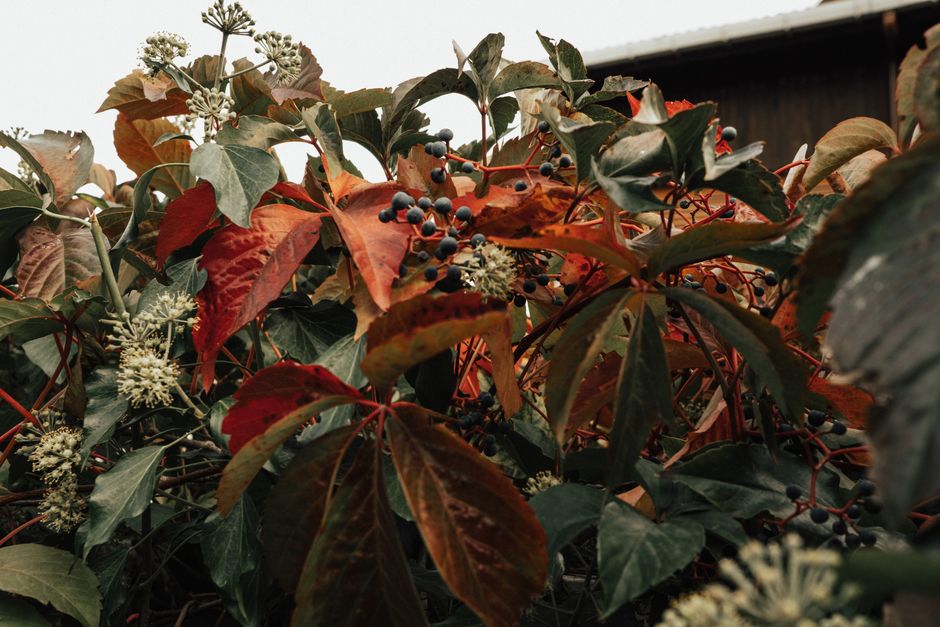
Prevention is the best approach. Learn to identify Virginia creeper. The plant has five leaflets arranged like fingers on a hand. This distinguishes it from poison ivy, which has three leaflets. The leaves are green in summer and turn red in autumn.
Wear protective clothing when working outdoors. Long sleeves, long pants, and gloves can prevent skin contact. If you are clearing vines, wear eye protection. The sap can irritate the eyes.
Wash your skin immediately after potential exposure. Even if you do not see sap, wash with soap and water. Wash your clothing and tools separately. The sap can remain on fabric and cause a rash later.
Do not burn Virginia creeper vines. Burning releases the crystals into the air. Inhaling them can irritate the lungs and airways. This can cause coughing, wheezing, and breathing difficulty.
Is It Poison Ivy or Virginia Creeper?
People often confuse these two plants. Both cause rashes but through different mechanisms. Poison ivy contains urushiol oil. This oil causes an allergic reaction. Virginia creeper contains calcium oxalate crystals that cause mechanical irritation.
The appearance of the rash differs slightly. Poison ivy rash often appears in streaks where the plant brushed against the skin. Virginia creeper rash is usually more localized to the contact area. Both can cause blisters and intense itching.
Treatment is similar for both. Wash the area, apply cool compresses, and use hydrocortisone cream. However, poison ivy rashes can take longer to heal. They may also be more severe in people with strong allergies.
If you are unsure which plant caused your rash, treat it the same way. The treatment for contact dermatitis is similar regardless of the cause. If symptoms are severe or persistent, consult a healthcare provider.
How Long Does a Virginia Creeper Rash Last?
Most rashes heal within one to two weeks. The itching typically peaks in the first few days. Blisters may form and then dry out. The skin may peel as it heals.
Mild cases may resolve in a few days. Severe cases can take longer. The healing time depends on how much sap contacted the skin and how quickly you washed it off. Scratching can prolong healing and increase infection risk.
During healing, keep the area moisturized. Use a fragrance-free moisturizer to prevent excessive dryness. This can reduce itching and help the skin repair itself. Avoid tight clothing over the affected area.
Frequently Asked Questions
Can Virginia creeper rash spread from person to person?
No, the rash itself is not contagious. However, sap on clothing or skin can transfer to another person and cause a rash on contact.
Does scratching make a Virginia creeper rash worse?
Yes, scratching can spread the crystals to other areas and break the skin, increasing infection risk. It can also prolong healing time.
Can I get a Virginia creeper rash without touching the leaves?
Yes, the sap is present in all parts of the plant, including stems and roots. Contact with any part can cause a rash.
Is a Virginia creeper rash dangerous?
It is usually not dangerous and resolves on its own. Seek medical care if the rash covers a large area, shows signs of infection, or you have difficulty breathing.
