
A stuffy nose usually feels worst at night, and there is a physiological reason for that. When you lie down, blood flow to the nasal lining increases and your nose can feel more blocked than it did standing up. Saline rinses, a humidifier, and sleeping with your head slightly raised can help open nasal passages quickly, often within minutes to a few hours. Most congestion improves on its own within a week, but how fast you feel relief depends on what is causing it.
How To Get Rid Of A Stuffy Nose Overnight Fast
The fastest relief usually comes from physically clearing the nose and reducing swelling in the nasal lining. These two approaches work in different ways and can be combined.
Saline nasal rinses or sprays thin mucus and wash out irritants like pollen, dust, and viruses. A rinse using distilled, sterile, or previously boiled and cooled water can clear passages within minutes. This is one of the few methods supported by consistent clinical evidence for short-term relief.
Decongestant nasal sprays containing oxymetazoline shrink swollen blood vessels in the nasal lining and can open the nose within minutes. They work fast and well. The problem is duration of use. Using these sprays for more than three days in a row can cause rebound congestion, a condition where the nose becomes more blocked when the spray wears off. This is a well-documented effect, not a rare one. If you use one of these sprays, keep it to a maximum of three days.
Oral decongestants such as pseudoephedrine also reduce swelling but take longer to work and affect the whole body, not just the nose. They can raise blood pressure and cause trouble sleeping, which matters if you are already trying to rest.
Steam and humidity add moisture to the air and can loosen thick mucus. A warm shower or a humidifier in the bedroom may make breathing feel easier, though the evidence for steam specifically is not strong. It is low-risk and many people find it helps.
What about sleeping position?
Gravity affects nasal congestion. Lying flat increases blood flow to the nasal lining and can make one or both sides feel more blocked. Sleeping with your head raised on an extra pillow or propping up the head of the bed can reduce this effect. Sleeping on your side often means the lower nostril feels more congested and the upper one opens up. This is normal and not a sign of anything serious.
Why Does Your Nose Get More Stuffed at Night?
Nasal congestion follows a daily rhythm. The nasal lining naturally swells and shrinks in cycles throughout the day, and it tends to swell more at night. Blood flow to the nose also increases when you lie down.
On top of that, the air in most bedrooms is drier than the air in the rest of the house, especially in winter or with air conditioning running. Dry air thickens mucus and makes it harder to clear. If you are also breathing through your mouth because your nose is blocked, that dries the throat and makes everything feel worse.
If you have allergies, dust mites in bedding are a common trigger for nighttime congestion. If you have a cold or flu, the virus itself causes inflammation and mucus production that peaks in the first few days.
What Actually Works and What Does Not
Not everything sold for congestion has evidence behind it. Here is a clear breakdown.
- Saline rinses: Good evidence for short-term relief. Low risk when using safe water.
- Decongestant sprays (oxymetazoline): Fast and effective for up to three days. Rebound congestion is a real risk with longer use.
- Oral decongestants: Effective but slower, with systemic side effects like increased heart rate and blood pressure.
- Antihistamines: Helpful if allergies are the cause. Not helpful for colds.
- Humidifiers: Reasonable and low-risk. Evidence for symptom improvement is limited.
- Menthol rubs and inhalants: Can create a sensation of clearer breathing. They do not actually reduce swelling or open the airway. The effect is a trick of the nervous system.
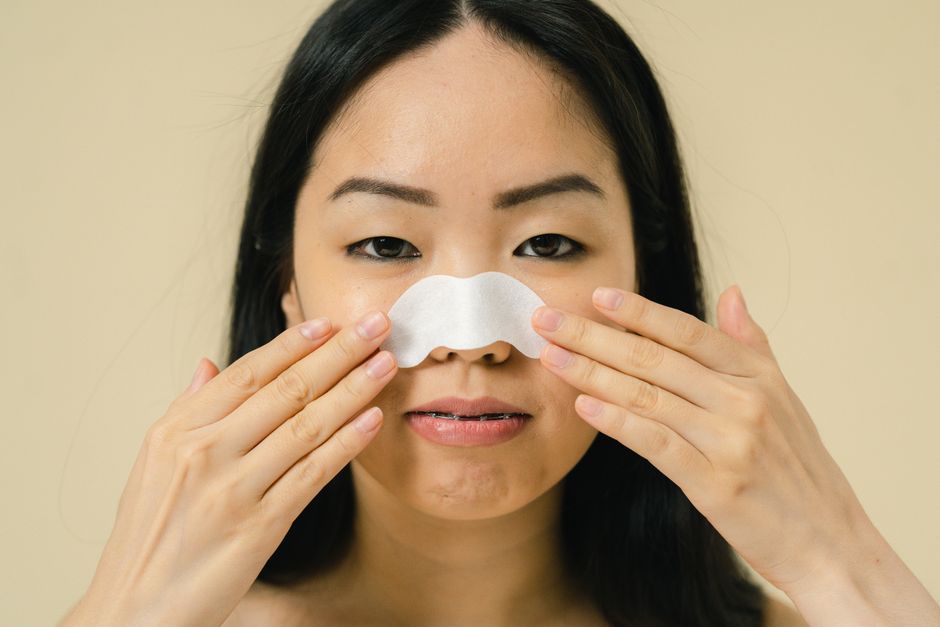
- Nasal strips: Can slightly widen the nostrils and help with snoring or mild blockage at the front of the nose. They do not reach deeper congestion.
- Antibiotics: Do nothing for viral colds or allergies. Only useful if a bacterial infection is confirmed.
One clarification worth making: a stuffy nose and a runny nose are not opposites. Both come from the same inflammation. You can have both at once, and treating one often helps the other.
When Should You See a Doctor?
Most stuffy noses are not dangerous. But some symptoms suggest something that needs medical attention.
See a doctor if congestion lasts more than 10 days without improving, or if it improves and then gets worse again. That pattern can suggest a bacterial sinus infection. Also seek care if you have:
- Fever above 102°F (38.9°C) that does not come down
- Severe facial pain or pressure, especially around the eyes or forehead
- Swelling around the eyes or vision changes
- Thick green or yellow discharge along with fever and facial pain
- Symptoms that started after a head injury
- One-sided blockage that does not go away, especially with nosebleeds
These signs do not automatically mean something serious, but they are reasons to get checked rather than wait it out.
What About Medications and Special Groups?
Decongestant sprays and oral decongestants are not appropriate for everyone.
People with high blood pressure, heart disease, or thyroid problems should talk to a doctor before using oral decongestants. Pseudoephedrine can raise blood pressure and heart rate.
Pregnant women should check with their doctor before using any decongestant. Some evidence suggests a possible link between first-trimester use of certain decongestants and a rare birth defect, though the research is not conclusive. Saline rinses are generally considered safe during pregnancy.
Children under 6 should not be given over-the-counter cold medicines without a doctor’s guidance. The evidence for benefit in young children is weak, and side effects are a concern.
For breastfeeding mothers, no clinical guidelines currently exist for decongestant use specifically during lactation. Ask a doctor or pharmacist before using anything.
Practical Steps for Tonight
If you want to try to sleep better tonight, here is a reasonable approach that stays within what evidence supports.
- Use a saline rinse or spray before bed. This is the safest first step.
- Run a cool-mist humidifier in the bedroom. Clean it regularly to prevent mold and bacteria growth.
- Sleep with your head raised slightly.
- If you use a decongestant spray, use it for no more than three days in a row.
- If allergies are the cause, take an antihistamine as directed. It may help more than a decongestant.
- Avoid alcohol before bed. It can increase nasal swelling.
- Stay hydrated. Thinner mucus is easier to clear.
None of these steps is a guaranteed overnight fix. Some people get relief in minutes from a saline rinse or decongestant spray. Others need a few days for the underlying cause to settle. The honest position is that you can improve symptoms quickly, but you cannot always eliminate them overnight if the cause is a virus or a significant allergy flare.
Can You Prevent Nighttime Congestion?
If you get congested most nights, the cause may be something in your environment rather than an infection.
Dust mites are a common trigger. Washing bedding in hot water weekly and using allergen-proof covers on pillows and mattresses can reduce exposure. Keeping pets out of the bedroom may help if you are allergic. A HEPA air filter can reduce airborne particles, though evidence for symptom improvement is mixed.
If you have chronic nasal congestion that does not go away, it may be worth seeing an allergist or ear, nose, and throat specialist. Conditions like chronic sinusitis, nasal polyps, or a deviated septum can cause persistent blockage that home remedies will not fix.
One thing to keep in mind: chronic congestion is not just annoying. It can affect sleep quality, which affects mood, focus, and overall health. If you are waking up tired every day because your nose is blocked, that is a reason to get evaluated, not just to keep buying sprays.
Frequently Asked Questions
How can I unclog my nose in 5 minutes?
A saline nasal rinse or spray can clear passages within minutes by thinning mucus and washing out irritants. A decongestant spray containing oxymetazoline works even faster but should not be used for more than three days in a row.
Does Vicks VapoRub actually clear a stuffy nose?
Menthol rubs create a sensation of clearer breathing but do not reduce nasal swelling or open the airway. The effect comes from stimulating cold receptors in the nose, not from physical decongestion.
Why is my nose more stuffy at night?
Blood flow to the nasal lining increases when you lie down, and the nasal cycle tends to cause more swelling at night. Dry bedroom air and dust mite exposure can make it worse.
Can I use decongestant spray every night?
No. Using decongestant sprays like oxymetazoline for more than three days in a row can cause rebound congestion, where the nose becomes more blocked when the spray wears off. If you need relief beyond three days, switch to saline and see a doctor.
