
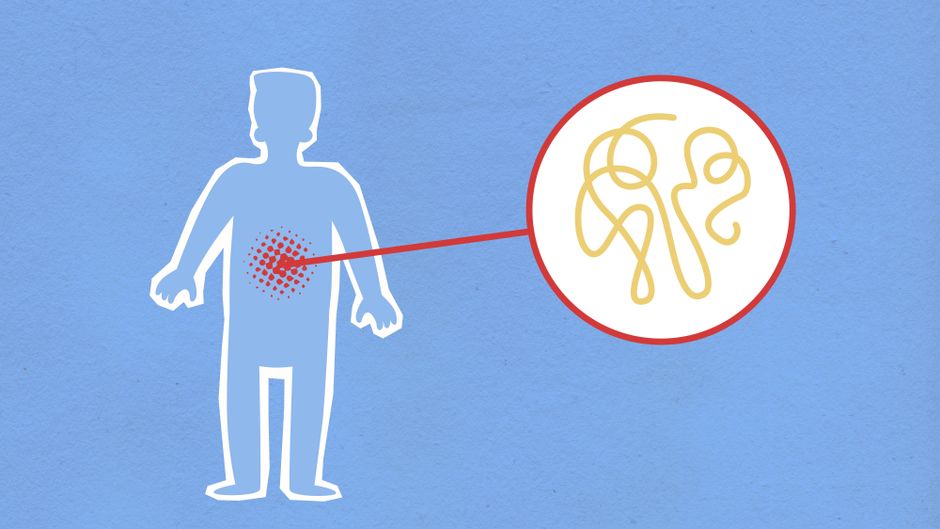
Most stomach infections caused by bacteria cannot be cleared by diet, herbs, or home remedies alone. The main bacterium behind stomach infections, Helicobacter pylori, is treated with a combination of antibiotics and acid-suppressing medicine prescribed by a doctor. Natural approaches may help with comfort and recovery, but they do not replace that treatment.
That is the honest starting point. If you have been diagnosed with a bacterial stomach infection, the single most effective thing you can do is complete the treatment your doctor prescribes. Natural methods work best as support, not as a substitute.
What Actually Causes a Stomach Bacterial Infection?
When people talk about a “stomach bacterial infection,” they usually mean Helicobacter pylori, often shortened to H. pylori. This is a bacterium that can live in the acidic environment of the stomach, where most bacteria cannot survive.
H. pylori weakens the protective lining of the stomach. That lining normally shields the stomach wall from its own acid. When the bacterium damages it, acid can irritate the tissue underneath. Over time this can lead to gastritis (inflammation of the stomach lining) and, in some people, peptic ulcers.
Infection is common worldwide. Many people carry H. pylori without any symptoms at all. Others develop persistent indigestion, a burning pain in the upper belly, bloating, or nausea. The bacterium spreads mainly through contaminated food, water, and close contact between people, especially in childhood.
Other bacteria can cause stomach illness too, such as those behind food poisoning. Those infections are usually short-lived and behave very differently from H. pylori. This distinction matters, because the natural approaches that help with a mild bout of food poisoning do not clear H. pylori.
Can You Really Get Rid Of a Stomach Bacterial Infection Naturally?
No natural remedy has been shown to reliably clear H. pylori on its own. This is one of the clearest findings in digestive medicine. The bacterium is stubborn, and it has adapted to survive in a harsh environment.
Some natural substances have been studied for their ability to slow or kill H. pylori in the laboratory. That is not the same as working in the human body. A substance that kills bacteria in a petri dish may never reach the stomach lining in a high enough amount to matter, or it may be broken down before it gets there.
This gap between lab results and real outcomes is where a lot of misleading health advice comes from. A headline saying a natural compound “kills H. pylori” often refers to a test tube study, not a trial in people.
Standard treatment for H. pylori is a combination of antibiotics plus a medicine that reduces stomach acid, taken for a set period. This approach has been tested extensively. When followed correctly, it clears the infection in most people, though success rates vary and resistance to some antibiotics is a growing problem. That is why testing and proper medical care matter.
Natural methods can still play a real role. They may ease symptoms, support the stomach lining, and help you feel better during recovery. They just do not replace antibiotics when the goal is to eliminate the bacterium.
Which Natural Approaches Have Real Evidence Behind Them?
Some natural approaches have more support than others. Even here, the evidence is often modest, and results vary between studies. None of these are proven to cure an infection by themselves.
Probiotics
Probiotics are live microorganisms, often bacteria or yeast, that may support gut health. Some studies suggest that certain probiotics can improve how well antibiotic treatment works and reduce side effects like diarrhea. The evidence is mixed, and the benefit depends on the specific strain and dose.
Probiotics are best viewed as a support during treatment, not a replacement for it. If you take them, separating them from your antibiotic dose by a few hours is often recommended, because timing can affect how well the antibiotic works.
Diet and stomach-friendly foods
No food has been shown to eliminate H. pylori. However, eating in a way that does not irritate the stomach can help you feel better while you heal.
- Eat smaller meals more often instead of large ones.
- Limit spicy, greasy, and highly acidic foods if they trigger symptoms.
- Cut back on alcohol and coffee, which can increase stomach acid.
- Stay hydrated with water throughout the day.
- Include fiber-rich foods like vegetables, fruits, and whole grains.
Some research suggests that diets rich in certain compounds found in cruciferous vegetables, green tea, and honey may have mild effects against H. pylori. These findings are preliminary. They do not support using any single food as a treatment.
Lifestyle factors
Smoking and heavy alcohol use both make stomach problems worse and can slow healing. Reducing or quitting these has clear benefits for stomach and overall health. Managing stress does not kill bacteria, but it can reduce symptom flare-ups, since stress and digestion are closely linked.




What About Herbs and Supplements Like Garlic, Honey, or Green Tea?
Garlic, honey, green tea, and a few other natural substances have shown some activity against H. pylori in laboratory studies. This is where caution is essential.
Lab activity does not translate into a cure. There are no large, well-designed human trials showing that eating garlic, taking honey, or drinking green tea clears an H. pylori infection. Some small studies have looked at these substances alongside standard treatment, but the results are not strong enough to recommend them as a replacement.
There is also a safety side. Supplements are not tightly regulated in the United States. What is on the label may not match what is in the bottle. Some herbs interact with medications, including antibiotics, and high doses of certain substances can harm the liver or stomach.
If you want to try a supplement alongside your treatment, talk to your doctor or pharmacist first. This is not about being overly cautious. It is about avoiding interactions that could make your treatment less effective.
Why Finishing Prescribed Treatment Matters
If you have been diagnosed with an H. pylori infection, stopping antibiotics early is one of the biggest mistakes you can make. When treatment is cut short, some bacteria survive. Those survivors are more likely to be resistant to the antibiotic you were taking, which makes the next round of treatment harder.
Antibiotic resistance is a real and growing problem with H. pylori. This is exactly why natural remedies cannot be relied on to finish the job. If a course of antibiotics does not fully clear the infection, retesting is important, and a different combination may be needed.
Do not stop a prescribed course because you feel better. Feeling better often means the treatment is working, not that you can quit early.
Can You Prevent a Stomach Bacterial Infection?
There is no vaccine for H. pylori, and prevention is not fully within your control. The bacterium is often acquired in childhood, and many people carry it for years without knowing.
Good hygiene can reduce the spread of many stomach infections, including those from food and water. Practical steps include:
- Wash your hands with soap before eating and after using the bathroom.
- Drink clean, safe water.
- Wash fruits and vegetables thoroughly.
- Cook food to safe temperatures and refrigerate leftovers promptly.
- Avoid sharing utensils or cups with someone who has an active infection.
These habits lower the risk of many infections. They do not guarantee you will never get H. pylori, and they are not a treatment once an infection is present.
When Should You See a Doctor?
See a doctor if you have persistent stomach pain, ongoing indigestion, nausea, or a burning sensation in your upper belly that does not go away. Testing for H. pylori is straightforward and usually involves a breath test, a stool test, or a blood test.
Some symptoms need urgent care. Seek medical help right away if you have:
- Blood in your vomit or stool, or black tarry stools.
- Sudden, severe stomach pain.
- Unexplained weight loss.
- Trouble swallowing.
- Signs of dehydration, such as dizziness or very little urination.
These can signal a serious problem, including bleeding ulcers, and should never be managed with home remedies.
The Bottom Line on Natural Treatment
Natural approaches can support your comfort and recovery, but they do not clear a bacterial stomach infection. The infection itself needs proper medical treatment, usually antibiotics plus acid-reducing medicine.
Use natural methods as a complement, not a replacement. Eat gently, stay hydrated, limit alcohol and smoking, and consider probiotics if your doctor agrees. Most importantly, finish the treatment you are given and get retested if symptoms continue.
Frequently Asked Questions
Can I get rid of H. pylori without antibiotics?
No natural remedy has been shown to reliably clear H. pylori on its own. Standard treatment requires antibiotics plus acid-reducing medicine prescribed by a doctor.
Does garlic or honey cure a stomach bacterial infection?
Garlic and honey have shown some activity against H. pylori in laboratory studies, but no large human trials confirm they cure an infection. They should not replace prescribed treatment.
Do probiotics help with H. pylori treatment?
Some studies suggest certain probiotics may improve how well antibiotic treatment works and reduce side effects like diarrhea. The evidence is mixed, so probiotics are best used as support, not as a replacement for antibiotics.
How long does it take to clear a stomach bacterial infection?
Standard H. pylori treatment usually lasts one to two weeks, and symptoms may improve before the infection is fully cleared. Always finish the full course and follow up with your doctor for retesting if needed.
