
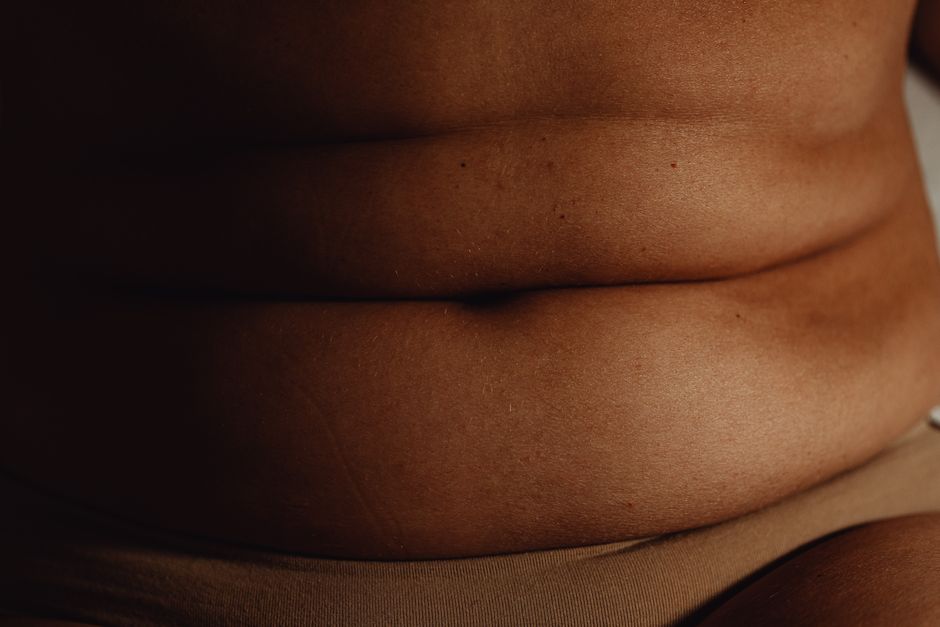
Seromas are one of the most common complications after a tummy tuck. A seroma is a pocket of clear fluid that builds up under the skin where tissue was removed. For most people, the body reabsorbs this fluid on its own within a few weeks. For others, the fluid needs help draining. The most effective way to get rid of a seroma after a tummy tuck is through a combination of consistent compression wear, proper positioning, and in-office drainage by your surgeon. The key is to act early and follow your surgeon’s instructions precisely — waiting too long can lead to a hard, painful capsule that is much harder to treat.
What Exactly Causes a Seroma After a Tummy Tuck?
A tummy tuck, or abdominoplasty, involves removing excess skin and fat and tightening the abdominal muscles. This creates a large space between the skin and the muscle layer. Your body naturally produces fluid to fill that space as part of the healing process. In most cases, the lymphatic system drains that fluid away. But sometimes the fluid collects faster than the body can clear it.
Research published in Plastic and Reconstructive Surgery found that seromas occur in 15 to 30 percent of tummy tuck patients. The risk is higher for people who undergo a full tummy tuck with muscle repair, have a higher body mass index, or have had previous abdominal surgery. The use of surgical drains during the first week after surgery helps reduce the risk, but seromas can still form after drains are removed.
Another factor is how much dead space the surgery creates. The more tissue removed, the larger the potential fluid pocket. Your surgeon closes this space with internal sutures and uses techniques like quilting sutures to minimize fluid buildup. Even with the best technique, some patients still develop seromas.
How To Get Rid Of A Seroma After A Tummy Tuck Without a Needle
Not every seroma needs to be drained. Small seromas — under 50 milliliters — often resolve on their own. Your body’s lymphatic system can reabsorb the fluid over two to four weeks. The most important thing you can do during this time is wear your compression garment exactly as directed. Do not take it off for more than a few minutes at a time.
Compression works by reducing the space where fluid can collect and by keeping pressure on the tissues so they heal together. The American Society of Plastic Surgeons recommends wearing a compression garment for at least six weeks after a tummy tuck. If you develop a seroma, your surgeon may ask you to wear it longer or switch to a higher-compression garment.
Position also matters. Avoid sitting up straight or standing for long periods. Reclining slightly with your knees bent reduces tension on the incision line and allows fluid to drain naturally. Lying flat on your back with a pillow under your knees is the best position for the first two weeks.
Some people report that gentle massage helps move fluid toward the lymph nodes. Strong evidence for this is limited, but some surgeons recommend very light, upward strokes away from the incision. Never press hard on the seroma itself. If it hurts, stop.
When Your Surgeon Needs to Drain the Seroma
If the seroma is larger than 50 milliliters or is causing pain, tightness, or visible bulging, your surgeon will likely drain it. This is done in the office with a needle and syringe. It is not painful for most people — the skin over a seroma is often numb from the surgery. The procedure takes about five minutes.
Your surgeon will clean the area with antiseptic, insert a needle into the fluid pocket, and withdraw the fluid. The fluid is usually yellow or straw-colored. If it looks cloudy, bloody, or has a foul smell, that could mean an infection is present. Your surgeon will send a sample to the lab in that case.
Some people need only one drainage session. Others need two or three. If the fluid keeps coming back, your surgeon may place a drain tube or inject a substance called doxycycline or talc to irritate the pocket and make it seal shut. This is called sclerotherapy. A 2019 review in Aesthetic Surgery Journal found that sclerotherapy is effective for recurrent seromas but can cause significant pain and inflammation for a few days.
Here is a comparison of the two main approaches to draining a seroma:
| Method | How It Works | Recovery Time | Risk of Recurrence |
|---|---|---|---|
| Needle aspiration | Fluid removed with syringe in office | Minutes; resume normal activity | Moderate — 30-40% return |
| Sclerotherapy | Drug injected to seal the pocket | 2-3 days of soreness | Low — under 10% return |




What Happens If You Ignore a Seroma
Leaving a seroma untreated is risky. The fluid pocket can become a chronic problem. Over time, the body forms a fibrous capsule around the fluid. This is called a seroma capsule or pseudobursa. Once that capsule forms, the body cannot reabsorb the fluid on its own. The only way to remove it is through a second surgery.
A chronic seroma also increases the risk of infection. Bacteria can enter through the skin or from the bloodstream and grow in the fluid. A seroma infection can lead to cellulitis, abscess formation, or sepsis. In severe cases, the infection can damage the skin flap and cause tissue death.
Another concern is that a large seroma puts tension on the incision line. This can widen the scar or cause the incision to open up, a complication called wound dehiscence. A 2020 study in Plastic and Reconstructive Surgery Global Open found that patients with untreated seromas had a significantly higher rate of wound complications compared to those who received early drainage.
What to Avoid When Treating a Seroma at Home
Do not try to drain a seroma yourself. The internet has videos of people using needles, safety pins, or even razor blades to pop their seromas. This is dangerous. You can introduce bacteria deep into the tissue, cause bleeding, or damage the skin flap. Even if you sterilize the needle, you cannot see where the blood vessels are under the skin.
Do not apply heat directly to a seroma. Heat can increase blood flow and inflammation, which may cause more fluid to accumulate. Ice packs are fine for the first 48 hours after surgery to reduce swelling, but after that, they do not help with seromas specifically.
Do not stop wearing your compression garment just because the seroma feels smaller. The fluid can come back quickly if pressure is removed. Your surgeon will tell you when it is safe to stop wearing the garment.
Do not take nonsteroidal anti-inflammatory drugs (NSAIDs) like ibuprofen or naproxen unless your surgeon approves. These drugs thin the blood and can increase the risk of bleeding or bruising. They may also interfere with the body’s natural healing response. Acetaminophen (Tylenol) is generally safe for pain, but check with your surgeon first.
Common Misconceptions About Seroma Treatment
One common myth is that drinking more water will flush out the fluid. This is not accurate. The fluid in a seroma is lymph fluid, not water you can “flush” through your kidneys. Staying hydrated is important for overall healing, but it will not make a seroma go away faster.
Another myth is that exercise or movement will break up the fluid and help it drain. This is false and can make things worse. Vigorous activity increases blood flow and lymphatic fluid production, which can enlarge the seroma. Most surgeons advise avoiding any exercise that engages the core muscles for at least six weeks after a tummy tuck. Walking is fine, but no crunches, planks, or lifting.
Some people believe that seromas always need surgery to fix. This is not true. Most seromas resolve with compression and one or two needle aspirations. Surgery is only needed for chronic, recurrent seromas that have formed a capsule. Even then, the surgery is usually a minor procedure done under local anesthesia.
Frequently Asked Questions
Can a seroma go away on its own without treatment?
Yes, small seromas under 50 milliliters often reabsorb on their own within two to four weeks with consistent compression wear.
How long does it take for a seroma to heal after a tummy tuck?
Most seromas resolve within two to six weeks with proper treatment, though recurrent seromas can take longer.
Is it safe to fly with a seroma after a tummy tuck?
Flying is generally safe once your surgeon clears you, but cabin pressure changes can cause discomfort if the seroma is large.
What color is normal seroma fluid after a tummy tuck?
Normal seroma fluid is clear or straw-colored; cloudy, bloody, or foul-smelling fluid may indicate infection.
