
Most pinched nerves in the lower back get better on their own within weeks, without surgery. The core plan is to stay gently active, avoid bed rest, use heat or ice for comfort, and give the nerve time to calm down. Physical therapy helps many people recover faster and learn how to protect the back going forward. Symptoms that spread down the leg, or that come with weakness or loss of bladder control, need medical care right away.
What Does a Pinched Nerve in the Lower Back Actually Mean?
A pinched nerve means something is pressing on or irritating a nerve root as it leaves the spine. In the lower back, the most common cause is a herniated disc — the soft cushion between vertebrae bulges or leaks and touches a nerve. Bone spurs from spinal arthritis and narrowing of the spinal canal (spinal stenosis) can also compress nerves.
The medical term for the symptoms this causes is radiculopathy. The nerve itself is not always physically “pinched” — inflammation around the nerve can produce the same pain and tingling. That distinction matters because it explains why many people improve without anything physically moving off the nerve.
This is where a common misunderstanding lives. A pinched nerve in the lower back is not the same as ordinary low back pain. Most low back pain does not involve a nerve at all. Radiculopathy produces a distinct pattern — pain that travels down the leg, often past the knee, sometimes with numbness, tingling, or weakness in a specific area.
What Are the Symptoms of a Pinched Nerve in the Lower Back?
The hallmark is pain that radiates from the back into the buttock and down the leg, usually on one side. Doctors call this sciatica when it follows the path of the sciatic nerve. The pain is often sharp, burning, or electric rather than a dull ache.
Other symptoms that point to nerve involvement include:
- Numbness or tingling in the leg or foot
- Weakness — for example, difficulty lifting the foot or standing on tiptoes
- Pain that worsens with sitting, coughing, or sneezing
- Shooting pain triggered by certain movements
Where the symptoms appear depends on which nerve root is affected. A nerve compressed higher in the lower back typically produces symptoms in the thigh; one lower down affects the calf or foot. This is why a doctor examines which specific areas are numb or weak — it helps locate the problem.
How To Get Rid Of A Pinched Nerve In Your Lower Back
For most people, recovery is a matter of time plus smart activity. The single most important step is to keep moving gently rather than going to bed. Extended bed rest was once standard advice, but research has since shown it slows recovery and can make pain worse.
Here is what the evidence supports, and what it does not.
Stay active within comfort
Walking, light daily tasks, and gentle movement keep blood flowing and prevent stiffness. The goal is not to push through sharp pain but to avoid complete inactivity. Some discomfort with movement is generally acceptable; shooting pain or worsening weakness is a signal to stop and seek advice.
Use heat or ice for comfort
Neither heat nor ice treats the nerve compression itself. Both can ease muscle tension and make you more comfortable. Many people prefer heat for muscle tightness and ice for acute sharp pain. The choice is largely personal — the evidence for one over the other is limited.
Consider over-the-counter pain relievers
Nonsteroidal anti-inflammatory drugs (NSAIDs) such as ibuprofen can reduce pain and inflammation for some people. They do not fix the underlying compression. Anyone with stomach ulcers, kidney problems, or heart conditions should check with a doctor or pharmacist before using them. Acetaminophen is an alternative for pain but does not reduce inflammation.
Physical therapy
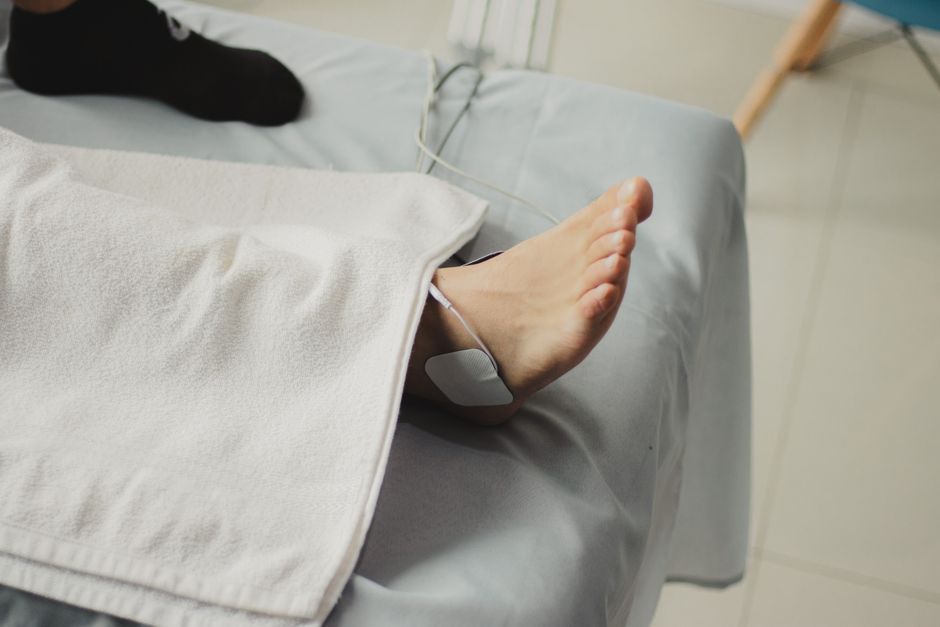
A physical therapist can teach targeted exercises to strengthen the core and back, improve flexibility, and reduce pressure on the nerve. Evidence indicates physical therapy helps many people with radiculopathy recover function and manage pain. It is among the more reliable non-surgical options.
What about medications and injections?
Doctors sometimes prescribe oral steroids or offer epidural steroid injections for severe radicular pain. Evidence on how much these help is mixed — some studies suggest short-term relief, but results vary and they are not a guaranteed fix. These are clinical decisions made case by case, not steps you take on your own.
How Long Does a Pinched Nerve Take to Heal?
Most cases improve substantially within four to six weeks, and many people feel better sooner. A smaller share of people have symptoms that linger for several months. Recovery time depends on the cause, the severity of compression, and your general health.
It helps to know that improvement is often gradual rather than sudden. Pain may ease before numbness or tingling fully resolve, because nerve healing is slower than tissue healing elsewhere. Nerves regenerate slowly, and lingering mild symptoms during recovery are common.
If symptoms are not improving after several weeks, or are getting worse, that is a reason to see a doctor rather than wait longer. Persistent weakness is a particular concern, because nerve-related weakness that goes untreated can become harder to reverse.
When Should You See a Doctor for a Pinched Nerve?
Most pinched nerves can be managed without urgent care, but some symptoms need prompt medical attention. Seek care quickly if you notice any of the following:
- Loss of bladder or bowel control, or numbness in the groin and inner thighs — these can signal a serious condition called cauda equina syndrome, which is a medical emergency
- Progressive weakness in the leg or foot
- Severe pain that is not improving or is getting worse
- Symptoms in both legs
- Fever, unexplained weight loss, or a history of cancer alongside new back pain
Cauda equina syndrome is rare but serious. It requires emergency evaluation and, often, surgery. Do not wait to see if it improves on its own.
For less urgent concerns, a doctor can assess which nerve is involved, rule out other causes, and discuss options. Imaging such as MRI is not needed for most people early on, because many herniated discs seen on scans cause no symptoms at all and improve without treatment.
Do You Need Surgery for a Pinched Nerve?
Most people do not. Surgery is generally considered when symptoms are severe, when weakness is significant and worsening, when pain has not improved after a reasonable period of non-surgical care, or when cauda equina syndrome is present. Even then, the decision is individualized.
It is worth being honest about the evidence here. Studies comparing surgery with continued non-surgical care for disc-related sciatica have produced mixed results. Some people recover faster with surgery in the short term; over longer periods the differences tend to narrow. Surgery is a reasonable option for the right patient, not a guaranteed superior outcome for everyone.
Can You Prevent a Pinched Nerve From Coming Back?
You cannot control everything — age and disc degeneration play a role. But some habits reduce strain on the lower back. Regular exercise that strengthens the core and back muscles is among the better-supported measures. Maintaining a healthy weight reduces load on the spine.
Good body mechanics help too: lift with your legs rather than bending and twisting, and avoid prolonged sitting without breaks. These are sensible habits, though it is fair to say the direct evidence that any single one prevents recurrence is limited. They lower strain, which is a reasonable goal in itself.
If you have had a pinched nerve before, a physical therapist can help you build a maintenance routine. Staying active between episodes is generally more protective than resting defensively.
Frequently Asked Questions
How do you get rid of a pinched nerve in your lower back fast?
There is no fast fix — most pinched nerves improve over weeks, not days. Staying gently active, using heat or ice for comfort, and avoiding bed rest support recovery better than trying to force a quick cure.
Should you rest or move with a pinched nerve?
Gentle movement is generally better than bed rest for a pinched nerve in the lower back. Prolonged rest can slow recovery and increase stiffness, so aim to stay active within a comfortable range.
What is the fastest way to relieve sciatica pain?
There is no single fastest method, and relief varies by person. Gentle activity, heat or ice, and over-the-counter pain relievers help many people manage symptoms while the nerve calms down.
When is a pinched nerve an emergency?
Loss of bladder or bowel control, or numbness in the groin area, is a medical emergency and needs immediate care. Progressive leg weakness is also a reason to see a doctor promptly.
