
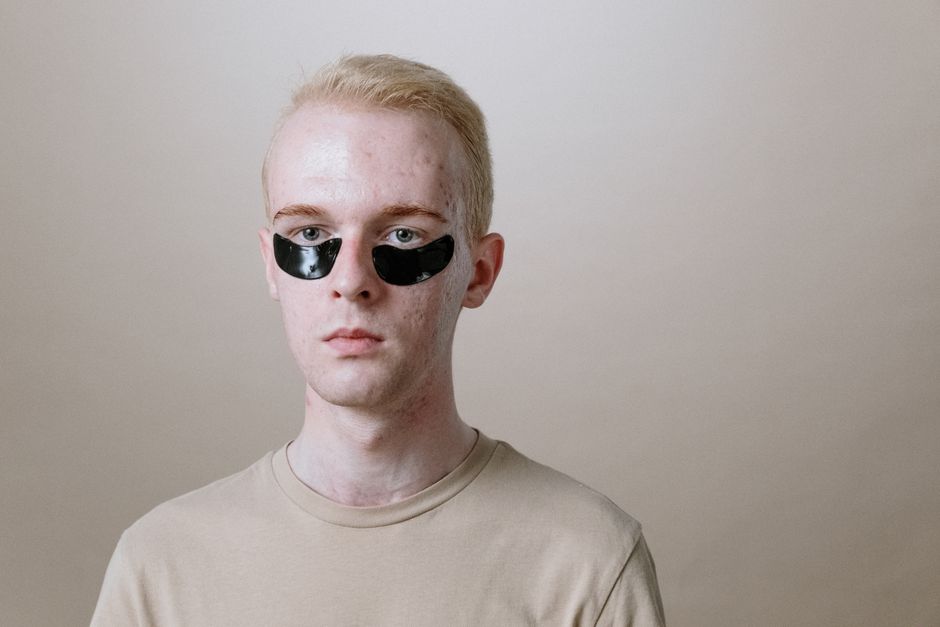
A blind pimple — that painful, swollen bump under the skin with no visible head — is one of the most frustrating skin issues. You cannot pop it, and trying to do so usually makes it worse. The best approach at home is to reduce swelling, encourage the bump to come to a head, or help your body reabsorb it safely. Start with a warm compress and a spot treatment containing benzoyl peroxide or salicylic acid, and leave the area alone. With consistent care, most under-the-skin pimples shrink within a few days to a week.
What Causes a Pimple Under the Skin?
A pimple under the skin is a blocked pore. Dead skin cells and oil, called sebum, get trapped inside the hair follicle. When the pore closes over, the contents stay below the surface.
The body sees this trapped material as an irritant. White blood cells move in to fight it, which causes redness, swelling, and pain. This is why blind pimples feel like hard, tender lumps rather than surface whiteheads.
Hormones are a common trigger. Androgen hormones increase oil production, which makes blockages more likely. Stress, certain medications, and some skincare products can also contribute. Genetics play a role too — if your parents had acne, you are more likely to get it.
How To Get Rid Of A Pimple Under The Skin At Home
Warm compresses are the first step. Soak a clean cloth in warm water, wring it out, and hold it against the bump for 10 to 15 minutes. Do this two to three times a day. The heat increases blood flow to the area, which helps bring the pimple to a head faster.
Spot treatments work best when applied directly to the bump. Benzoyl peroxide kills bacteria and reduces inflammation. Salicylic acid helps unclog the pore by breaking down dead skin cells. Both are available over the counter in creams, gels, and pads.
Apply a thin layer of spot treatment to the pimple once or twice daily. Do not smear it over a large area — keep it on the bump itself. Overuse can cause dryness, peeling, and more irritation.
Retinoids are another option. Adapalene gel, sold over the counter, helps normalize skin cell turnover. It can take several weeks to see results, so it works better as a preventive measure than a quick fix for a single pimple.
What Not To Do With a Blind Pimple
Do not squeeze, pick, or try to pop it. The pore is closed, and the infection sits deep in the skin. Squeezing pushes the contents deeper, which can make the swelling worse and increase the risk of scarring.
Avoid harsh scrubbing. Scrubbing irritates the skin and can break the surface, creating an open wound where bacteria can enter. Wash the area gently with a mild cleanser instead.
Do not apply multiple strong treatments at once. Layering benzoyl peroxide, salicylic acid, and retinoids on the same spot can damage the skin barrier. This leads to redness, peeling, and sometimes more breakouts. Choose one active ingredient and stick with it.
Skip heavy makeup over the bump. Foundations and concealers can block the pore further. If you must cover it, use a non-comedogenic product, meaning it is formulated not to clog pores, and remove it thoroughly at night.





Home Remedies That Actually Work
Ice can reduce pain and swelling, especially in the first 24 hours. Wrap an ice cube or cold pack in a thin cloth and hold it on the pimple for 5 to 10 minutes. Do not apply ice directly to bare skin — it can cause frostbite.
Tea tree oil has antibacterial properties. Some research suggests a 5% tea tree oil gel works about as well as 5% benzoyl peroxide for mild acne, though it acts more slowly. Dilute pure tea tree oil with a carrier oil before applying, and stop if it stings or burns.
Hydrocolloid patches, sometimes called pimple patches, can help. These adhesive stickers absorb fluid and protect the area from picking. They work best on pimples that have already come to a head. On a blind pimple, they may not penetrate deep enough to make a difference, but they do create a physical barrier.
Aspirin masks are a popular internet remedy, but the evidence is weak. Aspirin contains salicylic acid in a different form, and crushing it into a paste is not the same as a formulated skincare product. The concentration is unpredictable, and it can irritate the skin. Stick with proven over-the-counter treatments instead.
How Long Does a Blind Pimple Last?
With consistent treatment, most blind pimples resolve within 5 to 7 days. Some disappear without ever forming a head — the body breaks down the trapped material and reabsorbs it. Others come to a head and drain on their own.
Without treatment, a blind pimple can last longer. Some linger for two weeks or more. The exact timeline depends on how deep the blockage is and how much inflammation is present.
If the pimple does come to a head, let it drain naturally. Continue using warm compresses to encourage this process. Once it opens and drains, clean the area gently and keep it moisturized to help it heal without scarring.
When To See a Dermatologist
See a doctor if a blind pimple does not improve after two weeks of home care. Also seek help if the bump is extremely painful, grows rapidly, or keeps coming back in the same spot.
A dermatologist can inject a corticosteroid directly into the pimple. This reduces inflammation quickly — often within 24 to 48 hours. This is the fastest way to shrink a large, painful blind pimple, and it is done in an office visit.
If you have frequent blind pimples, prescription treatments may help. Topical antibiotics, stronger retinoids, or oral medications can address the underlying causes. A dermatologist can recommend a plan based on your skin type and history.
Rarely, a bump under the skin is not a pimple at all. Epidermoid cysts, lipomas, and even some skin cancers can look similar. If a bump is hard, painless, or growing slowly over weeks, have it checked.
How To Prevent Pimples Under the Skin
Consistency matters more than intensity. Wash your face twice daily with a gentle cleanser. Over-washing strips the skin and triggers more oil production.
Use a non-comedogenic moisturizer. Skin that is dry or damaged produces more oil to compensate, which can lead to more blocked pores. Moisturizer keeps the skin barrier healthy.
Salicylic acid or benzoyl peroxide cleansers can help prevent future breakouts when used regularly. Start with a lower concentration and build up gradually to avoid irritation.
Change your pillowcase at least once a week. Pillowcases collect oil, dead skin, and bacteria from your face and hair. Sleeping on a clean surface reduces the chance of transferring those to your skin.
Keep your hands off your face. Touching transfers bacteria and oils from your hands to your skin. Resting your chin or cheek on your hands during the day can press oil and debris into pores.
Does Diet Affect Blind Pimples?
The link between diet and acne is real but not simple. Some studies suggest that high-glycemic foods — white bread, sugary drinks, and processed snacks — may worsen acne. These foods spike blood sugar, which can increase inflammation and oil production.
Dairy is another debated topic. Some research finds a link between skim milk and acne, but the evidence is not consistent enough to recommend everyone cut out dairy. If you notice breakouts after eating certain foods, it may be worth testing your own reaction by removing them for a few weeks.
No single food causes acne. A balanced diet with plenty of vegetables, whole grains, and water supports overall skin health, but it is not a cure for existing pimples.
Frequently Asked Questions
Can I pop a pimple under the skin?
No. Popping a blind pimple pushes the infection deeper and increases the risk of scarring and more inflammation. Let it come to a head on its own or resolve without popping.
Does toothpaste work on blind pimples?
No. Toothpaste is not formulated for skin and contains ingredients that can irritate or burn the area. Use an over-the-counter spot treatment with benzoyl peroxide or salicylic acid instead.
How long does a pimple under the skin take to go away?
Most blind pimples resolve within 5 to 7 days with consistent home treatment. Without treatment, they can last two weeks or longer.
Should I see a doctor for a blind pimple?
See a doctor if the pimple does not improve after two weeks, is extremely painful, grows rapidly, or keeps returning in the same spot. A dermatologist can offer stronger treatment options.
