
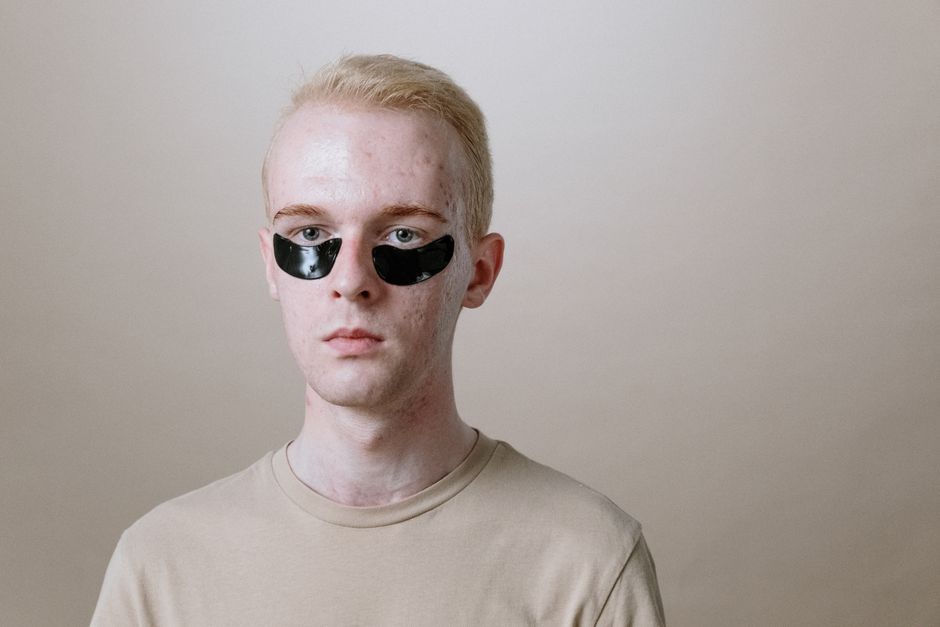
A pimple inside the nose is painful, and the urge to pop it can be intense. Doing so, however, is genuinely dangerous because of the blood supply in that area. The safest way to handle a nasal pimple is to leave it alone, apply a warm compress, and let your immune system clear it over a few days.
Why Is a Pimple Inside the Nose Dangerous to Pop?
The skin inside your nostrils is delicate and has a dense network of blood vessels. This region drains blood backward through veins that connect to the cavernous sinus, a large vein at the base of the brain. Squeezing a pimple here can push bacteria deeper into the tissue and, in rare but serious cases, into the bloodstream toward the brain. This can lead to a condition called cavernous sinus thrombosis, a blood clot that is life-threatening. Because of this risk, the triangle of the face from the bridge of the nose to the corners of the mouth is often called the “danger triangle.” Popping a pimple in your nose is never a good idea, and the consequences can be severe enough to require emergency hospital care.
How To Get Rid Of A Pimple In Your Nose Safely: Step-by-Step
Treatment for a nasal pimple focuses on reducing inflammation and letting the blockage drain on its own. You cannot speed up the process much, but you can make it more comfortable and reduce the risk of infection.
Start with a warm compress. Soak a clean washcloth in warm water, wring it out, and hold it gently against the outside of your nose for 10 to 15 minutes. Do this three to four times a day. The heat increases blood flow to the area, which helps your white blood cells fight the infection faster. It also softens the skin, which may allow the pimple to come to a head and drain naturally.
Keep the area clean. Wash your hands before touching your face. You can gently clean the outside of the nostril with a mild soap. Do not insert cotton swabs or fingers into the nose to scrub the pimple. That irritates the lining and can spread bacteria.
Consider a warm saltwater rinse. Mix a quarter teaspoon of non-iodized salt into a cup of warm distilled or boiled water. Use a clean dropper to place a drop or two at the opening of the nostril, then gently blow your nose. This helps keep the nasal passage moist and may reduce bacterial load. Do not use this if the pimple is already open and raw, as the salt can sting and cause further irritation.
Use an over-the-counter topical treatment if the pimple is visible at the nostril opening. Products containing benzoyl peroxide or salicylic acid can dry out the pimple. Apply a tiny amount with a clean cotton swab directly to the visible pimple only. Avoid getting it on the healthy mucous membrane inside the nose, as it can dry and crack that tissue. If the pimple is deep inside the nostril, skip topical treatments entirely because they cannot reach it and may damage the lining.
Take an oral pain reliever if needed. Ibuprofen or acetaminophen can reduce the pain and swelling. Follow the dosing instructions on the package. These medications treat the symptom but do not cure the pimple faster.
What Not To Do
Do not squeeze, pick, or lance the pimple. This is the single most important rule. Squeezing forces bacteria deeper into the tissue and increases the risk of the infection spreading. Do not use a needle or pin to pop it, even if you sterilize it. The risk of pushing bacteria into the bloodstream is too high in this location.
Do not use harsh acne products inside the nose. Benzoyl peroxide and salicylic acid are drying agents. The mucous membrane inside the nose is not like the skin on your face. It does not tolerate these chemicals well and can become raw, cracked, and more susceptible to infection. If you use these products, apply them only to the visible outer edge of the pimple.
Do not pick at the crust that forms. When the pimple starts to drain, a scab will form. Let it fall off on its own. Picking it reopens the wound and can introduce new bacteria.




When To See a Doctor
Most nasal pimples resolve within a week. Some take up to two weeks. You should see a doctor if the pimple does not improve after a week, or if it gets worse despite home care. Seek medical attention immediately if you develop any of these signs: redness spreading from the nose to the cheek or eye, swelling of the nose or upper lip, fever, severe headache, confusion, or double vision. These can be signs that the infection is spreading beyond the pimple and requires urgent treatment. Do not wait to see if these symptoms improve on their own.
A doctor may prescribe an antibiotic ointment to apply inside the nostril, or an oral antibiotic if the infection looks more significant. In some cases, a doctor may drain the pimple in a sterile office setting, but this is done with proper tools and precautions, not at home.
Why Do Pimples Form Inside the Nose?
Pimples form when a hair follicle becomes blocked with oil and dead skin cells. The nose has small hairs that trap particles from the air. When the follicle gets clogged, bacteria that normally live on the skin, usually Staphylococcus aureus, multiply and cause inflammation. This produces a red, swollen, tender bump.
Nasal pimples can also be triggered by irritation. Blowing your nose forcefully, picking your nose, or using nasal sprays frequently can damage the delicate lining and lead to a blocked follicle. Stress and hormonal changes can increase oil production, which can contribute as well. Unlike acne on the face, nasal pimples are often solitary and directly related to local irritation or a single blocked follicle.
It is also worth noting that not every bump inside the nose is a pimple. A cold sore, caused by the herpes simplex virus, can look similar but usually starts as a cluster of tiny fluid-filled blisters that crust over. An ingrown nasal hair can also produce a painful, red bump. If you are unsure what you are dealing with, and the bump is painful or persists, a doctor can tell the difference.
Preventing Future Nasal Pimples
Prevention focuses on reducing irritation and keeping the nasal lining healthy. Avoid picking your nose, as this damages the lining and introduces bacteria from your fingers. Use a humidifier in dry environments to keep the nasal passages from drying out and cracking. When you blow your nose, do it gently, one nostril at a time. Use saline nasal sprays if you have allergies or frequent congestion, but avoid overusing decongestant sprays, which can dry out the lining.
Keep your hands clean and avoid touching your face throughout the day. If you wear glasses, clean the nose pads regularly, as they can harbor bacteria and oil. Wash your pillowcases weekly to reduce the buildup of oil and dead skin cells that can transfer to your face and nose.
Frequently Asked Questions
Can I pop a pimple inside my nose?
No. Popping a pimple inside the nose is dangerous because the blood vessels in that area drain toward the brain, and squeezing can push bacteria into the bloodstream and cause a serious infection.
How long does a pimple inside the nose last?
Most nasal pimples heal on their own within a week to ten days. If it lasts longer than two weeks or gets worse, see a doctor.
What is the fastest way to get rid of a pimple in your nose?
The fastest safe method is a warm compress applied for 10 to 15 minutes several times a day. This helps the pimple drain naturally without the risks of popping it.
Can I put acne cream inside my nose?
No. Acne creams with benzoyl peroxide or salicylic acid can damage the delicate lining inside the nose. Use them only on the visible outer edge of the pimple, if at all.
When should I see a doctor for a pimple in my nose?
See a doctor if the pimple does not improve within a week, or if you have fever, spreading redness, severe pain, or vision changes. These can be signs of a spreading infection.
