
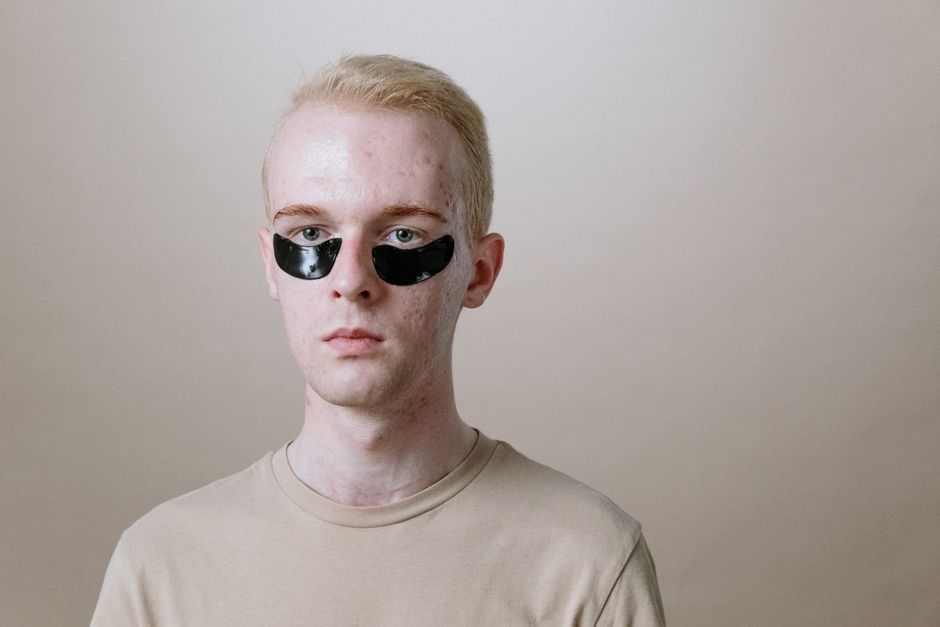
If you have a pimple on your lip, the best approach is to leave it alone. Popping it can push bacteria deeper, cause infection, and leave a scar. Instead, use a warm compress to bring it to a head naturally, apply a spot treatment with benzoyl peroxide or salicylic acid, and keep the area clean. If the bump is actually a cold sore, those treatments won’t work — you need an antiviral cream. Knowing the difference is the first step.
What Is a Lip Pimple and How Is It Different From a Cold Sore?
A lip pimple is just acne that forms on or very near the lip line. It happens when a hair follicle gets clogged with oil and dead skin cells. Bacteria can then grow inside, causing redness and pus. Lip pimples usually have a single white or yellow head, and they may be tender to touch.
A cold sore, also called a fever blister, is caused by the herpes simplex virus. It often starts with a tingling or burning sensation before a cluster of tiny, fluid-filled blisters appears. Cold sores are contagious and tend to recur in the same spot. Pimples are not contagious. If you are not sure, look for the warning tingle — that strongly points to a cold sore, not a pimple.
Why You Should Never Pop a Lip Pimple
Popping any pimple is risky, but popping one on your lip is especially bad. The skin around the mouth is thin and has many blood vessels. Squeezing can force bacteria deeper into the skin, leading to a worse infection. It can also spread bacteria to nearby pores, causing more breakouts.
Scarring is another concern. Lip skin heals slowly, and a popped pimple can leave a dark spot or a small dent that lasts for months. Popping also delays healing. A pimple that would clear in a few days can take a week or more if you interfere. Dermatologists consistently advise: do not pop.
How To Get Rid Of A Lip Pimple Without Popping
There are several effective ways to treat a lip pimple without squeezing it. Start with a warm compress. Soak a clean cloth in warm water, wring it out, and hold it against the pimple for 10 minutes, up to three times a day. The heat helps bring the pus to the surface so the pimple can drain on its own.
Next, apply a topical acne treatment. Products containing benzoyl peroxide kill acne bacteria and help dry out the pimple. Salicylic acid works by unclogging the pore. Both are available over the counter. Use a small amount directly on the pimple once or twice a day. Be careful not to get it inside your mouth or on the inner lip — it can irritate the delicate tissue.
An ice cube wrapped in a thin cloth can reduce swelling if the pimple is painful. Hold it on the spot for a few minutes at a time. For small pimples with a visible white head, some people use a hydrocolloid pimple patch. These patches absorb fluid and create a barrier. Clinical evidence is limited, but many dermatologists say they are safe to try as long as the skin is clean and dry.
Keep the area clean. Wash your face twice a day with a gentle cleanser. Avoid heavy lip balms or glosses that can clog pores. Choose non-comedogenic lip products labeled oil-free.


When to See a Doctor or Dermatologist
Most lip pimples go away on their own within a few days. But you should see a doctor if the bump does not improve after one week, gets larger, or becomes very painful. Signs of infection include spreading redness, warmth, or pus that is yellow or green.
If you get pimples on your lips often, a dermatologist can help. Prescription treatments like topical retinoids or antibiotics may reduce breakouts. If the bump turns out to be a cold sore, your doctor can prescribe antiviral medication such as acyclovir or valacyclovir, which shorten the outbreak if taken early.
Do not assume a bump is a pimple if you have a history of cold sores or if you feel tingling before it appears. Treating a cold sore with acne cream will not help and may irritate the skin.
Can You Prevent Lip Pimples?
Prevention focuses on keeping the skin around your mouth clean and free of pore-clogging substances. Wash your face after eating greasy foods. Avoid touching your lips with unwashed hands. Change your pillowcase regularly — oil and bacteria build up on fabric.
Choose lip balms and lipsticks that say “non-comedogenic” or “oil-free.” Some ingredients, like cocoa butter and coconut oil, can clog pores in people prone to acne. If you use a lip scrub, be gentle. Scrubbing too hard can irritate the skin and trigger more breakouts.
Diet may play a role for some people, but the evidence is not strong enough to give universal advice. Some studies suggest high-glycemic foods and dairy may worsen acne in certain individuals. If you notice a pattern with specific foods, try cutting them out for a few weeks to see if it helps.
Common Mistakes to Avoid
Many home remedies for lip pimples are ineffective or harmful. Do not apply toothpaste. It contains ingredients that can dry out the skin, but it also irritates and can cause a chemical burn. There is no evidence it treats acne.
Avoid using rubbing alcohol or hydrogen peroxide. These can kill surface bacteria but also damage healthy skin, slow healing, and leave dark marks. Stick to products made for acne.
Do not pick or scratch the pimple. Even if you do not pop it, scraping off the top can introduce bacteria and cause scarring. If the pimple bursts on its own, clean it gently with mild soap and water and apply a thin layer of antibiotic ointment or petroleum jelly to protect it while it heals.
Frequently Asked Questions
Can I use toothpaste on a lip pimple?
No. Toothpaste can irritate and burn the skin, and no clinical evidence shows it helps acne.
How long does a lip pimple last if I don’t pop it?
Most lip pimples clear within 3 to 7 days without popping.
Is it a pimple or a cold sore?
A pimple has a single white head and is not contagious. A cold sore starts with tingling and appears as a cluster of small blisters.
Can I pop a lip pimple if it has a white head?
No. Popping increases the risk of infection, scarring, and slower healing.
