

A hanging stomach, often called an apron belly, usually comes down to a mix of fat stored under the skin, changes in skin elasticity, and genetics. There is no single exercise that removes it, and no cream or wrap that dissolves it. The most reliable path is losing overall body fat through diet and activity, while accepting that loose skin and stretched tissue may not fully tighten on their own.
If you want to know how to get rid of a hanging stomach or apron belly, start by understanding what you are actually dealing with. The shape of that tissue tells you whether fat loss alone can help, or whether skin and muscle changes are also part of the picture.
What Actually Causes an Apron Belly?
An apron belly forms when tissue hangs below the belly button, sometimes folding over the waistband. It is not one thing. It is usually several things stacked together.
The first is subcutaneous fat. This is the fat just under the skin, and it is the soft, pinchable kind. Everyone carries some. Where your body stores it is heavily influenced by genetics and hormones.
The second is skin. Skin is made of collagen and elastin fibers that let it stretch and snap back. When skin stretches quickly or for a long time, those fibers can break down. It does not always recover.
The third is the abdominal wall itself. In some people the muscles and connective tissue in the middle of the abdomen separate or weaken. This changes how the belly sits and can make it protrude or hang.
Pregnancy is a common trigger because it stretches the skin and separates the abdominal muscles at the same time. Significant weight gain and loss does the same thing. Age matters too, because skin loses elasticity over time. None of this is a personal failing. It is tissue behaving the way tissue behaves.
Can You Target Fat on the Belly Specifically?
No. Spot reduction does not work, and this is one of the most consistent findings in exercise science.
Your body releases fat from storage based on hormones and genetics, not based on which muscle you happen to be working. Doing hundreds of crunches will strengthen your abdominal muscles, but it will not burn the fat sitting on top of them. Studies on spot reduction have repeatedly found that training a specific area does not reduce fat in that area more than training elsewhere.
This matters because a lot of viral advice is built on the opposite idea. Sit-up challenges, waist trainers, and targeted “belly burner” routines do not remove the fat in that spot. Some of them can even be counterproductive if they take time away from the activity that actually helps.
What does reduce belly fat is losing fat from your whole body. Where that fat comes off first is not something you control.
What Actually Helps Reduce an Apron Belly?
Fat loss is the part you can influence most. The method is unglamorous and well established.
A calorie deficit is what drives fat loss. You take in less energy than you use. How you create that deficit matters less than whether you can sustain it. Some people do better cutting carbohydrates, others cutting fat, others simply eating less overall. The result is similar when calories and protein are matched.
Protein deserves attention. It helps preserve muscle while you lose fat, and it tends to keep you fuller. Good sources include eggs, poultry, fish, beans, lentils, Greek yogurt, and tofu.
Strength training tells your body to keep muscle. Cardio burns calories and supports heart health. Doing both is generally better than doing only one.
Sleep and stress are not optional extras. Short sleep and ongoing stress are linked to higher levels of the hormone cortisol and to eating more. The evidence here is real but modest. Fixing sleep will not melt an apron belly, but poor sleep can work against everything else you do.
Alcohol is worth mentioning because it is easy to overlook. It adds calories and tends to reduce sleep quality. Cutting back often helps more than people expect.




Will Exercise Fix Loose Skin?
No. Exercise builds muscle. It does not rebuild broken collagen and elastin fibers in the skin.
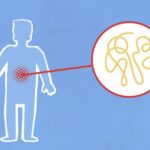
This is the part many people find hardest to hear. You can lose every pound of excess fat and still have a fold of skin that hangs. That skin is not fat. It is stretched tissue that lost its ability to recoil.
How much skin recovers depends on several things:
- How long the skin was stretched
- Your age, since elasticity declines over time
- Your genetics
- How much weight you lost and how fast
- Whether you have had multiple pregnancies
Younger skin with more elastin tends to bounce back better than older skin. Someone who gained and lost a small amount of weight usually has less loose skin than someone who lost a large amount. There is no cream, oil, or supplement with strong evidence that tightens loose skin. Hydration and sun protection support skin health generally, but they will not reverse significant stretching.
If loose skin is the main issue and fat loss is complete, surgery is the only intervention with reliable results. That is a real medical procedure with real risks, and it is a decision to make with a qualified surgeon, not from a video.
What About Ab Separation After Pregnancy?
During pregnancy, the two halves of the abdominal muscle can separate along the midline. This is called diastasis recti. It is common and it is not dangerous on its own.
It often narrows in the months after birth, but for some people it stays. When it does, the belly can look more rounded or can bulge when you sit up or strain. This can look like an apron belly even when body fat is low.
Some people find that targeted physical therapy helps. A physical therapist trained in postpartum care can assess whether the gap is closing and teach exercises that avoid making it worse. Certain movements that push the belly outward, like some crunches or heavy straining, can make the bulge more visible in the short term for people with a larger gap.
The evidence on which exercises work best is still limited, and results vary. If the gap is large or causing pain, it is worth seeing a doctor or physical therapist rather than guessing from online routines.
Do Waist Trainers, Creams, and Wraps Work?
No. There is no good evidence that any of these reduce an apron belly.
Waist trainers squeeze the tissue while you wear them. The effect disappears when you take them off. They do not burn fat, and they do not tighten skin. Some clinicians have raised concerns about prolonged tight compression affecting breathing or digestion.
Fat-burning creams and wraps may cause temporary swelling or redness that looks like a change for a few hours. That is not fat loss. No cream has been shown to break down subcutaneous fat in a meaningful way.
Detox teas and “flat belly” supplements are the same story. Some act as laxatives, which causes water loss, not fat loss. That is not the same as getting rid of a hanging stomach, and it can be unsafe with regular use.
One clarification worth making: some people confuse an apron belly with a condition called lipedema, where fat builds up abnormally in the legs and sometimes the lower body. It is a real medical condition, not a cosmetic one, and it does not respond well to diet and exercise alone. If your lower body fat feels painful, bruises easily, or seems out of proportion to the rest of your body, that is worth discussing with a doctor.
When Is Surgery the Only Option Left?
Surgery is the only reliable way to remove loose skin. It is not a weight loss method, and it does not replace fat loss.
The most common procedure for an apron belly is a panniculectomy, which removes the hanging skin and fat below the belly button. A tummy tuck, or abdominoplasty, goes further and also tightens the abdominal wall muscles. Both are major surgeries with real recovery time and real risks, including infection, scarring, and fluid buildup.
Candidates are usually people who have reached a stable weight and are not planning future pregnancies. Many surgeons ask that weight be stable for a period before operating, because further weight change can affect results.
This is not a decision to rush. It is worth talking to a board-certified plastic surgeon and asking directly about risks, recovery, and what results are realistic for your body.
What Is Realistic to Expect?
Fat loss can meaningfully shrink an apron belly. Skin tightening from diet and exercise alone is limited, and results vary widely from person to person.
Some people lose the hanging shape almost entirely. Others lose the fat but keep a skin fold. That difference is mostly about how much your skin stretched and how well it recovers, which is largely outside your control.
The honest position is this: you can influence the fat. You have much less influence over the skin. Knowing which one you are dealing with helps you set realistic expectations and avoid wasting money on things that cannot work.
Frequently Asked Questions
Can you get rid of an apron belly without surgery?
Yes, if the hanging tissue is mostly fat. Losing overall body fat through a calorie deficit, protein, and exercise can reduce it. If loose skin is the main cause, diet and exercise alone usually cannot remove it.
Do waist trainers or belly wraps remove an apron belly?
No. They compress the tissue while worn, and the effect goes away when you take them off. No evidence shows they burn fat or tighten skin.
How long does it take to see a difference in an apron belly?
It depends on how much fat you have to lose and how consistently you stay in a calorie deficit. Fat loss timelines vary widely between people, so no single timeframe applies to everyone.
Is an apron belly a sign of a health problem?
Usually not. It is most often a result of fat storage, stretched skin, or abdominal muscle separation. If the tissue is painful, bruises easily, or seems out of proportion to the rest of your body, see a doctor to rule out other causes.
